Therapist profile
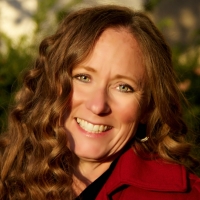
Catherine Lorino, LSCSW, LCSW
Licensed clinical social worker - Family and parenting
Continue with CatherineAbout
- Stress and anxiety
- Parenting support
- Cognitive behavioral work
About Catherine
Catherine Lorino is an LSCSW (Licensed Specialist Clinical Social Worker) and an LCSW (Licensed Clinical Social Worker) practicing in Kansas with 30 years of experience. She focuses on stress, anxiety, relationship and family concerns, parenting, trauma and abuse, addictions, mood disorders, and related issues. Catherine draws on decades of clinical work in community mental health, special education, and the United States Army.
She helps people put thoughts and feelings into words and looks for practical ways to reduce daily overwhelm. Catherine often works with parents and adults facing family strain, balancing work and home demands, or dealing with separation and infidelity. She also supports people with depression, bipolar disorder, sleep and eating difficulties, and anger or self-esteem problems.
Her background includes conducting psychosocial assessments and designing behavior supports for students with special needs. She has experience training school teams and presenting at universities and professional learning communities. Catherine has served as a Crisis Prevention Institute trainer and a Youth Mental Health First Aid trainer.
In sessions she uses grounded methods such as cognitive behavioral techniques, acceptance and commitment ideas, attachment-focused work, dialectical skills, and elements of the Gottman Method to address relationship dynamics. She aims for clear goals and practical steps clients can try between meetings. Her approach is collaborative and focused on measurable changes over time.
Outside work she is a parent to four children and is involved in veteran causes. This personal experience informs her understanding of family life, parenting pressures, and the stresses that come with major life transitions.
How sessions work
How her approaches translate to online work
Acceptance and Commitment Therapy (ACT) focuses on clarifying values and taking action that aligns with them while learning to notice difficult thoughts without getting stuck. It can help with anxiety, stress, and life direction issues. Cognitive Behavioral Therapy (CBT) looks at the relationship between thoughts, feelings, and behaviors and teaches skills to change unhelpful patterns; it is often used for depression, anxiety, sleep, and eating difficulties. Attachment-Based Therapy attends to relationship patterns and how early bonds affect current interactions, which can be useful for relationship and family strain.Choosing the right approach is part of the work. She will collaborate with the client to identify goals and try strategies that fit the person’s needs and preferences. That process may involve sampling different techniques across sessions and adjusting as progress and feedback indicate.
The profile does not specify which online session formats are used, so confirm the available options before booking. In general, online sessions can make it easier to fit meetings into a busy week, allow for shorter check-ins when needed, and remove travel time. They can also let people participate without being on camera if that helps them focus. Licensed professionals can adapt ACT, CBT, and attachment-focused work to remote sessions and use exercises and between-session tasks to support change.
Areas of focus
Areas of expertise
Primary focus
Also works with
Additional focus areas
Therapeutic approaches
Experience
30+ years
Listed in
Kansas, Missouri
Languages
English
Questions
Frequently asked questions
What concerns does she help with?
She works with stress, anxiety, relationship and family issues, parenting, addictions, trauma, mood disorders, and related concerns listed in her profile.
What is her therapy style like?
Her style is goal oriented and collaborative. She uses practical techniques to help people change thoughts, behaviors, and relationship patterns.
How much clinical experience does she have?
She has 30 years of experience in social work across community mental health, special education, and the United States Army.
What are her credentials and where is she located?
She holds LSCSW and LCSW credentials and practices in Kansas with the licensure details KS LSCSW and MO LCSW noted in her profile.
Can I work with her if I live outside the United States?
Sessions are offered to international clients as indicated in her profile. Sessions are conducted in English.
Which session formats does she offer?
The original profile does not list specific session formats. Please confirm current session options before booking to know which formats are available.
How does pricing work?
Cost varies by location. Sessions use a subscription model that can be canceled at any time.
How do I begin working with her?
Select the See online therapy options button, complete the short matching questionnaire, and schedule a first session to get started.
Details come from information the therapist supplied to BetterHelp. A license can be checked with the state board.
Online talk therapy is not emergency care. If anyone is in danger, use the crisis numbers.