
Velma Jones
LCSWNew York · 29 yrs exp
LCSW - Relationships and Parenting
Stress, Anxiety · Relationship · Trauma and abuse · Depression · +10 more
Read profileTherapist listings are provided by BetterHelp. We will earn a commission at no additional cost to you if you use our links to purchase.
Use these profiles to compare therapists who list Parenting and family relationships by focus areas, approaches, languages, credentials, and listed location. Browse the profiles below to find professionals whose experience and approach match what you want to discuss.
New York · 29 yrs exp
LCSW - Relationships and Parenting
Stress, Anxiety · Relationship · Trauma and abuse · Depression · +10 more
Read profile
Ohio · 25 yrs exp
Dr. Julie McCune, LPCC - Family and parenting concerns
Stress, Anxiety · LGBT · Relationship · Self esteem · +16 more
Read profile
Colorado · 19 yrs exp
Licensed Clinical Social Worker - Family and parenting concerns
Stress, Anxiety · Relationship · Trauma and abuse · Grief · +12 more
Read profile
South Carolina · 16 yrs exp
LMFT - Relationship and family concerns
Stress, Anxiety · Relationship · Family · Parenting · +14 more
Read profile
Florida · 20 yrs exp
Dr. Daniella Jackson, LMHC - Addiction and family impact care
Stress, Anxiety · Addictions · Relationship · Self esteem · +16 more
Read profile
Nevada · 30 yrs exp
Licensed counselor - Grief and anxiety focus
Stress, Anxiety · Grief · Self esteem · Coping with life changes · +14 more
Read profile
Massachusetts · 23 yrs exp
LMHC - Relationships and Parenting
Addictions · LGBT · Relationship · Intimacy-related issues · +12 more
Read profile
Florida · 39 yrs exp
LMHC - Relationships and Parenting
Stress, Anxiety · Relationship · Family · Parenting · +14 more
Read profile
Maine · 12 yrs exp
LPC in Maine - Family and parenting focus
Stress, Anxiety · Self esteem · Depression · Coping with life changes · +16 more
Read profile
Mississippi · 16 yrs exp
LPC focused on relationships and parenting
Stress, Anxiety · Relationship · Family · Parenting · +6 more
Read profile
Kansas · 12 yrs exp
Licensed Clinical MFT - Relationships and Family Concerns
Stress, Anxiety · Relationship · Intimacy-related issues · Depression · +13 more
Read profile
North Carolina · 51 yrs exp
LCMHC in North Carolina - Relationships and Parenting
Relationship · Intimacy-related issues · Parenting · Self esteem · +12 more
Read profile
Illinois · 20 yrs exp
Illinois LCSW - Family and parenting concerns
Stress, Anxiety · Relationship · Parenting · Self esteem · +7 more
Read profile
Kentucky · 18 yrs exp
LMFT - Relationships and family concerns
LGBT · Relationship · Family · Self esteem · +14 more
Read profile
Louisiana · 7 yrs exp
Dr. Tanya Harrell, LPC - Family and parenting focus
Stress, Anxiety · Family · Trauma and abuse · Parenting · +15 more
Read profile
Florida · 25 yrs exp
Licensed Mental Health Counselor - Relationships and Trauma
Relationship · Trauma and abuse · Grief · Anger · +12 more
Read profile
Pennsylvania · 27 yrs exp
LCSW - Relationships and Parenting
Stress, Anxiety · Relationship · Parenting · Self esteem · +14 more
Read profile
Illinois · 25 yrs exp
LCSW - Mood and relationship concerns
Stress, Anxiety · Relationship · Grief · Depression · +10 more
Read profile
Florida · 12 yrs exp
Licensed Mental Health Counselor - Family and Parenting concerns
Stress, Anxiety · Parenting · Self esteem · Depression · +11 more
Read profile
Maryland · 10 yrs exp
Licensed clinical counselor - Family and relationship concerns
Stress, Anxiety · Relationship · Family · Intimacy-related issues · +12 more
Read profile
Missouri · 36 yrs exp
Licensed clinical social worker - Family and parenting focus
Stress, Anxiety · Relationship · Trauma and abuse · Intimacy-related issues · +15 more
Read profile
Florida · 25 yrs exp
LMHC - Family and parenting concerns
Stress, Anxiety · Family · Grief · Self esteem · +12 more
Read profile
New York · 5 yrs exp
LMHC - Mood and parenting concerns
Stress, Anxiety · LGBT · Trauma and abuse · Bipolar · +12 more
Read profile
Arizona · 23 yrs exp
LPC and LMHC - anxiety and parenting support
Stress, Anxiety · Self esteem · Depression · Coping with life changes · +16 more
Read profile
Michigan · 5 yrs exp
Licensed Professional Counselor - Family and parenting
Stress, Anxiety · Relationship · Family · Self esteem · +12 more
Read profile
Rhode Island · 18 yrs exp
LMHC - Stress and family concerns
Stress, Anxiety · Relationship · Trauma and abuse · Grief · +12 more
Read profile
Pennsylvania · 12 yrs exp
Licensed counselor - Family and parenting concerns
Stress, Anxiety · Relationship · Self esteem · Depression · +11 more
Read profile
Florida · 26 yrs exp
LMHC - Relationship and parenting concerns
Relationship · Grief · Self esteem · Depression · +13 more
Read profile
North Carolina · 10 yrs exp
Licensed clinical social worker - Family and relationship concerns
Stress, Anxiety · Relationship · Family · Bipolar · +16 more
Read profile
Florida · 12 yrs exp
LMHC - Stress and family related concerns
Stress, Anxiety · Relationship · Intimacy-related issues · Depression · +8 more
Read profile
New York · 11 yrs exp
LMHC in New York - Family and parenting focus
Stress, Anxiety · Grief · Self esteem · Relationship · +8 more
Read profile
Tennessee · 15 yrs exp
LCSW - Family and parenting concerns
Stress, Anxiety · LGBT · Family · Trauma and abuse · +16 more
Read profile
Missouri · 7 yrs exp
Licensed Professional Counselor - Family and parenting focus
Stress, Anxiety · Addictions · Relationship · Self esteem · +13 more
Read profile
Florida · 17 yrs exp
Stress, Anxiety · Addictions · Relationship · Family · +14 more
Read profile
New York · 35 yrs exp
Dr. Colleen Downes, LCSW - Family and parenting focus
Stress, Anxiety · Self esteem · Career · ADHD · +10 more
Read profile
Louisiana · 10 yrs exp
LPC helping adults with family and relationship stress
Stress, Anxiety · Relationship · Family · Depression · +12 more
Read profile
Texas · 10 yrs exp
LPC in Texas - relationships and family focus
Stress, Anxiety · Relationship · Family · Depression · +14 more
Read profile
Wisconsin · 8 yrs exp
LPC counselor - relationships and parenting
Relationship · Intimacy-related issues · Coping with life changes · Stress, Anxiety · +8 more
Read profile
Texas · 11 yrs exp
LPC in Texas - Relationships and Parenting
Stress, Anxiety · Relationship · Family · Parenting · +9 more
Read profile
Virginia · 16 yrs exp
Virginia LCSW - Family and parenting concerns
Stress, Anxiety · Grief · Self esteem · Depression · +12 more
Read profile
Texas · 13 yrs exp
LPC and LMFT - Family and parenting focus
Stress, Anxiety · LGBT · Relationship · Trauma and abuse · +12 more
Read profile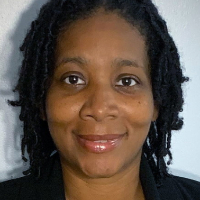
Florida · 13 yrs exp
Licensed counselor - Family and parenting focus
Stress, Anxiety · Anger · Depression · Coping with life changes · +13 more
Read profile
Minnesota · 23 yrs exp
LMFT focused on relationships and parenting
Stress, Anxiety · Relationship · Trauma and abuse · Self esteem · +13 more
Read profile
Florida · 12 yrs exp
LMFT - relationships and family concerns
Stress, Anxiety · Addictions · Relationship · Family · +15 more
Read profile
Louisiana · 22 yrs exp
Licensed counselor - relationships and parenting
Stress, Anxiety · Relationship · Family · Grief · +11 more
Read profile
Texas · 20 yrs exp
Licensed Professional Counselor - Family and parenting issues
Family · Grief · Parenting · Self esteem · +7 more
Read profile
Colorado · 11 yrs exp
LPC counselor - family and parenting concerns
Stress, Anxiety · LGBT · Trauma and abuse · Anger · +15 more
Read profile
Michigan · 15 yrs exp
Licensed Professional Counselor - Family and parenting concerns
Stress, Anxiety · Anger · Self esteem · Depression · +10 more
Read profile
North Carolina · 18 yrs exp
Licensed counselor - Family and parenting focus
Stress, Anxiety · Addictions · Trauma and abuse · Anger · +13 more
Read profile
Michigan · 21 yrs exp
LMSW - Relationships and family concerns
Stress, Anxiety · Relationship · Family · Bipolar · +14 more
Read profile
Illinois · 28 yrs exp
Illinois LCPC - Family and parenting focus
Stress, Anxiety · Relationship · Grief · Self esteem · +8 more
Read profile
Texas · 21 yrs exp
Licensed Clinical Social Worker - Family and parenting issues
Stress, Anxiety · Relationship · Trauma and abuse · Intimacy-related issues · +15 more
Read profile
Texas · 8 yrs exp
Licensed Professional Counselor - Family and parenting concerns
Stress, Anxiety · Grief · Self esteem · Career · +11 more
Read profile
Louisiana · 10 yrs exp
LPC counselor focusing on family and parenting concerns
Stress, Anxiety · Grief · Anger · Depression · +8 more
Read profile
Missouri · 14 yrs exp
Licensed Professional Counselor - Parenting and family concerns
Stress, Anxiety · Self esteem · Career · Depression · +13 more
Read profile
Virginia · 23 yrs exp
LPC in Virginia - family and parenting concerns
Stress, Anxiety · Trauma and abuse · Self esteem · Depression · +9 more
Read profile
Montana · 16 yrs exp
LCPC in Montana - Family and parenting focus
Stress, Anxiety · Relationship · Self esteem · Depression · +11 more
Read profile
Massachusetts · 25 yrs exp
Licensed mental health counselor - relationships and family
Stress, Anxiety · Relationship · Family · Self esteem · +14 more
Read profile
South Dakota · 12 yrs exp
LPC and LMHP - Relationships and Parenting
Stress, Anxiety · Relationship · Family · Trauma and abuse · +13 more
Read profile
Arizona · 30 yrs exp
Licensed counselor - Family and parenting support
Stress, Anxiety · Trauma and abuse · Self esteem · Career · +11 more
Read profileIf you are feeling overwhelmed by parenting stress, navigating blended family dynamics, managing the care of adult children, or responding to tensions with aging parents, it is reasonable to look for a therapist who lists Parenting or family relationships among their focuses. This directory groups profiles of clinicians who note those topics, but a listed focus is not proof of a particular certification or of a therapist working with children or whole families. The profiles are best used to identify practitioners you might want to contact and to prepare questions about the therapist's actual scope of practice. If you believe someone - a child or an adult - is in immediate danger or requires urgent medical attention, contact emergency services or a local crisis line right away rather than relying on an online directory.
This page groups profiles that list Parenting as a specialty or additional focus. That label often signals that a clinician works with individuals who bring parenting-related concerns into therapy - such as stress from caregiving, boundaries with adult children, or the emotional impact of custody transitions. A listing does not establish that a clinician conducts couple or family sessions unless their profile explicitly says so. You should use the information in a profile - the written summary, the stated focus areas, and any approaches listed - as starting points for a conversation. Profiles may include a listed location and notes about the types of clients they commonly work with. Remember that a degree such as PhD, PsyD, MD, MA, or MSW indicates academic training, and that degree alone does not prove current permission to practice. In the United States clinicians typically hold professional licensure; in the United Kingdom and Australia professionals may be registered with national boards or hold membership in recognized professional bodies. Profiles sometimes show both degrees and registration or licensure information; you can ask a clinician directly about their current registration, scope of practice, and whether they work with adults on parenting issues.
When you consider a profile, think about the kinds of questions that will help you evaluate fit. Ask about the clinician's experience working with the particular situation you face - for example, parenting after separation, parenting while managing your own mental health, or supporting an adult child through a life transition. Inquire whether they typically work with individuals on parenting matters and how they define that scope. You can also ask what approaches they commonly use or list, phrasing it in a way that reflects the directory language - for example, asking about therapists who list cognitive-behavioral approaches, attachment-informed work, or trauma-focused approaches among their methods. Do not assume that a listed approach guarantees specific training or certification; instead, ask how the clinician integrates that approach into sessions and how it might apply to your concerns. Practical questions about session rhythm, communication style, and the therapist's experience with similar family structures will give you a clearer sense of the match than relying on labels alone.
If you are considering remote sessions, bring up a few specific topics before beginning. Confirm whether the therapist is legally authorized to provide care to someone in your state, region, or country, since jurisdictional rules vary across the United States, the United Kingdom, and Australia. Ask about the privacy protections and data practices they use for electronic communication and video calls, and whether they have a plan for handling emergencies when you are not in the same location. Discuss what to do if a child or another family member needs urgent help during or between sessions. Clarify practical matters such as how you will share documents or resources, how session notes are stored, and what methods of communication are used for scheduling or check-ins. You may also want to discuss your preferred language and whether the clinician offers sessions in that language, or whether they work with interpreters. These conversations help you set clear expectations and make an informed decision about proceeding with remote care.
When comparing profiles, focus on the details that matter most to you. Look at the stated focus areas to see whether a clinician names issues similar to yours - parenting stress, blended families, co-parenting after separation, or caregiving for aging parents. Note the languages listed on profiles if communicating in a non-primary language is important to you. Examine how credentials are presented: academic degrees such as PhD, PsyD, MD, MA, or MSW describe training, while licensure, registration, or professional memberships indicate the clinician's recognized permission to practice in their jurisdiction; degree and registration are not the same thing. Pay attention to the language used in the therapist's summary to get a sense of their tone - whether they emphasize practical strategies, reflective exploration, cultural context, or skills training. Consider asking specific comparison questions in your outreach, such as: how long they have worked with parents on the issue you face; what age ranges they commonly work with; whether they incorporate co-parent communication coaching for individual clients; and how they tailor their approach for blended or multigenerational households. By looking beyond labels and focusing on concrete descriptions, you can better assess which profiles are worth exploring further and prepare focused questions to bring to an initial conversation.
Use the directory to narrow your options and to prepare for direct conversations with clinicians. Reach out with clear, specific questions about scope of practice, clinical focus, registration or licensure in the relevant country, communication preferences, and how they address situations like crisis planning. If you are exploring therapeutic approaches mentioned on a profile, ask how those approaches might be adapted to your parenting or family concerns rather than assuming uniform application. Remember that the therapists listed here work with individuals; if you need services for multiple family members at the same time, discuss that explicitly with any clinician you contact to learn about their scope. Take time to reflect on how a therapist's described style and focus align with what you want to address, and prioritize a conversation that helps you judge fit. If you are ever worried about immediate safety for yourself or someone else, contact emergency services or a local crisis resource right away.
Alabama
119 therapists
Alaska
16 therapists
Arizona
122 therapists
Arkansas
51 therapists
Australia
150 therapists
California
565 therapists
Colorado
179 therapists
Connecticut
63 therapists
Delaware
20 therapists
District of Columbia
26 therapists
Florida
947 therapists
Georgia
281 therapists
Hawaii
24 therapists
Idaho
48 therapists
Illinois
260 therapists
Indiana
138 therapists
Iowa
38 therapists
Kansas
63 therapists
Kentucky
95 therapists
Louisiana
153 therapists
Maine
31 therapists
Maryland
146 therapists
Massachusetts
98 therapists
Michigan
256 therapists
Minnesota
85 therapists
Mississippi
68 therapists
Missouri
217 therapists
Montana
50 therapists
Nebraska
34 therapists
Nevada
35 therapists
New Hampshire
24 therapists
New Jersey
170 therapists
New Mexico
41 therapists
New York
328 therapists
North Carolina
365 therapists
North Dakota
3 therapists
Ohio
203 therapists
Oklahoma
110 therapists
Oregon
49 therapists
Pennsylvania
239 therapists
Rhode Island
11 therapists
South Carolina
180 therapists
South Dakota
17 therapists
Tennessee
130 therapists
Texas
751 therapists
United Kingdom
1465 therapists
Utah
68 therapists
Vermont
11 therapists
Virginia
181 therapists
Washington
90 therapists
West Virginia
33 therapists
Wisconsin
136 therapists
Wyoming
19 therapists