
Beverly Rivard
LCSWAlaska · 22 yrs exp
LCSW working with stress and family concerns
Stress, Anxiety · LGBT · Grief · Coping with life changes · +9 more
Read profileTherapist listings are provided by BetterHelp. We will earn a commission at no additional cost to you if you use our links to purchase.
Explore profiles listed in this Alaska location to compare how therapists describe their focus areas, approaches, credentials and languages. Use the profiles below to find professionals who might be a good fit for individual work on family relationships and parenting, and then read each profile for more detail.
Alaska · 22 yrs exp
LCSW working with stress and family concerns
Stress, Anxiety · LGBT · Grief · Coping with life changes · +9 more
Read profile
Alaska · 30 yrs exp
LPC in Alaska - relationships and family concerns
Stress, Anxiety · Addictions · Relationship · Family · +10 more
Read profile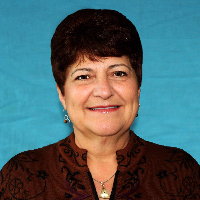
Alaska · 11 yrs exp
LCSW - Stress and family-focused therapist
Stress, Anxiety · Relationship · Family · Trauma and abuse · +9 more
Read profile
Alaska · 11 yrs exp
LPC in Alaska - Relationships and Addictions
Stress, Anxiety · Addictions · Relationship · Trauma and abuse · +7 more
Read profile
Alaska · 9 yrs exp
Licensed Clinical Social Worker - Family and parenting concerns
Stress, Anxiety · Relationship · Family · Self esteem · +5 more
Read profile
Alaska · 20 yrs exp
Licensed Clinical Social Worker - Relationships and Parenting
Stress, Anxiety · Relationship · Trauma and abuse · Parenting · +1 more
Read profile
Alaska · 25 yrs exp
Licensed counselor - Family and parenting focus
Stress, Anxiety · Relationship · Trauma and abuse · Anger · +5 more
Read profile
Alaska · 20 yrs exp
LPC in Alaska - Family and parenting concerns
Stress, Anxiety · Addictions · Relationship · Family · +11 more
Read profile
Alaska · 35 yrs exp
LICSW in Alaska - Family and parenting focus
Stress, Anxiety · Addictions · Trauma and abuse · Self esteem · +9 more
Read profile
Alaska · 15 yrs exp
LCSW focused on relationships and family challenges
Relationship · Family · Trauma and abuse · Anger · +8 more
Read profile
Alaska · 15 yrs exp
LMFT - Parenting and family stress
Stress, Anxiety · Trauma and abuse · Grief · Parenting · +10 more
Read profile
Alaska · 16 yrs exp
Licensed Professional Counselor - Family and parenting focus
Stress, Anxiety · Addictions · Trauma and abuse · Grief · +11 more
Read profile
Alaska · 9 yrs exp
Licensed Professional Counselor - Family and parenting concerns
Stress, Anxiety · Relationship · Family · Trauma and abuse · +14 more
Read profile
Alaska · 10 yrs exp
LCSW - Stress and family-related concerns
Stress, Anxiety · Addictions · Relationship · Trauma and abuse · +10 more
Read profile
Alaska · 15 yrs exp
Licensed professional counselor - relationships and family
Relationship · Family · Trauma and abuse · Parenting · +1 more
Read profile
Alaska · 4 yrs exp
Licensed Professional Counselor - Family and parenting concerns
Stress, Anxiety · Relationship · Trauma and abuse · Self esteem · +10 more
Read profileWhen you are looking for help with family conflict, parenting stress, blended family challenges, adult children, or care for aging parents, you are likely trying to find someone who understands the specific pressures you face. These profiles describe practitioners who list family or parenting among their specialties. That listing indicates an interest or reported focus area but it does not guarantee a particular service model, age range, or that the practitioner treats families or children. Many of the professionals here work with individuals on family and parenting concerns. If you need therapy for more than one person - for example joint sessions with a partner or a parent and child together - you should ask the practitioner directly about their scope and how they structure that work.
If someone is in immediate danger, or a child or adult is unsafe, call local emergency services or your regional crisis line right away. This directory is meant to help you compare profiles and plan next steps, not to replace urgent intervention.
A listed location on a profile groups professionals by the geographic label they provided. It does not necessarily mean they have a physical office in every community in Alaska or that they are authorized to practice in every setting. Profiles may mention city names, regions, or indicate telehealth options. Before you make any decisions, check the individual profile for details about where the practitioner works and confirm with them whether they are permitted to work with you in your place of residence. Laws and rules differ between countries and jurisdictions, so confirmation matters.
Credentials you see on profiles fall into two types: academic degrees and professional permission to practice. Academic degrees such as PhD, PsyD, MD, MA, or MSW describe educational qualifications. A degree alone does not establish that someone currently has permission to provide therapeutic services in a particular jurisdiction. In the United States, many practitioners hold a state license to practice and you will often see license titles on profiles. In the United Kingdom and Australia, professionals may reference registration or membership with national professional bodies rather than a state license. When comparing profiles, notice how each person describes both degrees and any licenses, registrations, or memberships. Those terms are not interchangeable, and you should ask about current standing and any geographic limits on practice if that matters to you.
When you contact a practitioner after reviewing a profile, specific questions help you understand how they might work with your situation. Ask whether they have experience helping individuals with the particular family or parenting concern you are facing, and ask for examples of the kinds of goals people commonly set with them. If you are dealing with issues tied to life in Alaska - such as geographical isolation, multigenerational households, or cultural considerations - ask about their experience with those contexts. You can request clarification about how they describe their approach. For example, you might say: "I see you list cognitive-behavioural approaches and psychodynamic ideas among your approaches - can you describe what that looks like in sessions for someone managing parenting stress?"
It is also helpful to ask how they define their role in the work. Some practitioners describe a more collaborative, reflective style, while others use a more directive approach - neither is inherently better, but one may fit you more naturally. If a profile lists approaches such as EMDR, mindfulness, or narrative work, phrase your question to reflect the directory wording: "Do you often work with clients who describe trauma-related concerns, and how do you integrate approaches such as EMDR among your approaches?" This avoids assuming formal training and keeps the focus on how they actually use those approaches with clients.
If a profile mentions remote work or you plan to meet online, there are several practical topics to cover with the practitioner before you begin. Confirm whether they are authorized to provide care where you live, whether they have any restrictions related to jurisdiction, and how they handle crisis situations when someone is not locally present. Ask what the expected plan is if an urgent situation arises during an online session, and whether they can provide guidance that matches your local emergency resources. Discuss how sessions will be scheduled, rescheduled, and how they manage boundaries around contact outside sessions, and decide together on a communication plan that fits your needs.
Technology and privacy are important parts of online care. Ask what platform they use and what you should do to create a comfortable environment for the session - for instance choosing a quiet place and a device that works well for video. You can ask how they manage records and note keeping, and what their informed consent process covers so you know what to expect from the start. If you are connecting from a different time zone or an area with limited internet, speak openly about those constraints so you can both agree on practical arrangements.
Profiles give you multiple points for comparison. Focus areas and specialties help you narrow the field to professionals who emphasize the concerns you have named in your search. Look for language that describes typical client concerns, such as parenting stress, separation transitions, adult child relationships, or eldercare conversations. When a profile lists languages spoken, that can be important for cultural nuance and ease of expression - consider whether working in a particular language matters to you and how that is presented on the profile.
Pay attention to how credentials and descriptions are written. A profile that notes a degree such as MSW or PhD is telling you about education. If someone also lists a license, registration, or membership, that indicates the professional permissions they reference; the wording will vary by country. You may prefer to follow up with a direct question about current status and geographic scope. Style cues on profiles - such as whether a practitioner emphasizes skills training, emotional exploration, problem-solving, or parenting education - help you anticipate the tone of sessions. Read each profile to understand the kind of relationship they are describing and then ask concrete questions about how they typically begin work with someone who has your concerns.
Finally, remember that a listed topic does not establish that the therapist treats children, couples, or families. If you are unsure whether a practitioner sees multiple family members or only individuals, discuss that directly with them. Use the profiles as a starting place to form a clearer picture about approach, experience, languages, and professional standing, and then confirm important details in conversation before you make a decision about next steps.
ADHD
5093 therapists
Anger
6665 therapists
Control Issues
5020 therapists
Depression
8168 therapists
Domestic Violence
3579 therapists
Grief
7314 therapists
Guilt and Shame
6692 therapists
Intimacy Issues
5425 therapists
Isolation / Loneliness
6371 therapists
Midlife Crisis
4715 therapists
Panic Disorder and Panic Attacks
4979 therapists
Postpartum Depression
3147 therapists
Self Esteem
8202 therapists
Stress & Anxiety
8703 therapists
Trauma and Abuse
7482 therapists
Abandonment
4885 therapists
Aging and Geriatric Issues
3237 therapists
Attachment Issues
5173 therapists
Blended Family Issues
4188 therapists
Caregiver Issues and Stress
5297 therapists
Codependency
4815 therapists
Commitment Issues
4092 therapists
Communication Problems
7154 therapists
Compassion Fatigue
5325 therapists
Coping with Life Changes
7978 therapists
Divorce
5713 therapists
Family
8273 therapists
Family of Origin Issues
3915 therapists
Forgiveness
6237 therapists
Infidelity
3873 therapists
Money and Financial Issues
3193 therapists
Parenting
7005 therapists
Relationship
8113 therapists
Workplace Issues
5603 therapists