
Dr. Julie McCune
LPCCOhio · 25 yrs exp
Dr. Julie McCune, LPCC - Family and parenting concerns
Stress, Anxiety · LGBT · Relationship · Self esteem · +16 more
Read profileTherapist listings are provided by BetterHelp. We will earn a commission at no additional cost to you if you use our links to purchase.
Browse profiles of therapists who list forgiveness alongside family relationships and parenting. Compare focus areas, approaches, credentials and languages, and use the listed location to find profiles that may fit your needs.
Ohio · 25 yrs exp
Dr. Julie McCune, LPCC - Family and parenting concerns
Stress, Anxiety · LGBT · Relationship · Self esteem · +16 more
Read profile
Michigan · 25 yrs exp
Licensed Professional Counselor - Family and parenting concerns
Stress, Anxiety · LGBT · Relationship · Grief · +10 more
Read profile
Colorado · 19 yrs exp
Licensed Clinical Social Worker - Family and parenting concerns
Stress, Anxiety · Relationship · Trauma and abuse · Grief · +12 more
Read profile
South Carolina · 16 yrs exp
LMFT - Relationship and family concerns
Stress, Anxiety · Relationship · Family · Parenting · +14 more
Read profile
Texas · 13 yrs exp
LCSW focused on family and related concerns
Stress, Anxiety · Relationship · Trauma and abuse · Anger · +11 more
Read profile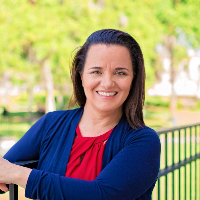
Florida · 20 yrs exp
Dr. Daniella Jackson, LMHC - Addiction and family impact care
Stress, Anxiety · Addictions · Relationship · Self esteem · +16 more
Read profile
Nevada · 30 yrs exp
Licensed counselor - Grief and anxiety focus
Stress, Anxiety · Grief · Self esteem · Coping with life changes · +14 more
Read profile
Massachusetts · 23 yrs exp
LMHC - Relationships and Parenting
Addictions · LGBT · Relationship · Intimacy-related issues · +12 more
Read profile
Mississippi · 16 yrs exp
LPC focused on relationships and parenting
Stress, Anxiety · Relationship · Family · Parenting · +6 more
Read profile
North Carolina · 16 yrs exp
Licensed Clinical Mental Health Counselor - Relationships and Grief
Stress, Anxiety · Relationship · Trauma and abuse · Grief · +7 more
Read profile
Kansas · 12 yrs exp
Licensed Clinical MFT - Relationships and Family Concerns
Stress, Anxiety · Relationship · Intimacy-related issues · Depression · +13 more
Read profile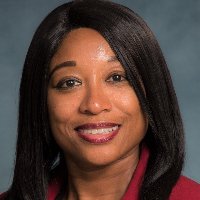
Georgia · 8 yrs exp
Licensed Professional Counselor - Relationships and family concerns
Stress, Anxiety · Relationship · Family · Grief · +11 more
Read profile
Illinois · 20 yrs exp
Illinois LCSW - Family and parenting concerns
Stress, Anxiety · Relationship · Parenting · Self esteem · +7 more
Read profile
New York · 9 yrs exp
LMHC - Relationships and family concerns
Addictions · LGBT · Intimacy-related issues · Depression · +9 more
Read profile
Florida · 25 yrs exp
Licensed Mental Health Counselor - Relationships and Trauma
Relationship · Trauma and abuse · Grief · Anger · +12 more
Read profile
Texas · 12 yrs exp
Stress, Anxiety · Addictions · Relationship · Grief · +11 more
Read profile
Pennsylvania · 27 yrs exp
LCSW - Relationships and Parenting
Stress, Anxiety · Relationship · Parenting · Self esteem · +14 more
Read profile
Illinois · 25 yrs exp
LCSW - Mood and relationship concerns
Stress, Anxiety · Relationship · Grief · Depression · +10 more
Read profile
Maryland · 10 yrs exp
Licensed clinical counselor - Family and relationship concerns
Stress, Anxiety · Relationship · Family · Intimacy-related issues · +12 more
Read profile
Arizona · 23 yrs exp
LPC and LMHC - anxiety and parenting support
Stress, Anxiety · Self esteem · Depression · Coping with life changes · +16 more
Read profile
Michigan · 5 yrs exp
Licensed Professional Counselor - Family and parenting
Stress, Anxiety · Relationship · Family · Self esteem · +12 more
Read profile
Rhode Island · 18 yrs exp
LMHC - Stress and family concerns
Stress, Anxiety · Relationship · Trauma and abuse · Grief · +12 more
Read profile
Pennsylvania · 12 yrs exp
Licensed counselor - Family and parenting concerns
Stress, Anxiety · Relationship · Self esteem · Depression · +11 more
Read profile
Illinois · 20 yrs exp
LCPC counselor - stress and relationships
Stress, Anxiety · LGBT · Anger · Self esteem · +12 more
Read profile
Florida · 26 yrs exp
LMHC - Relationship and parenting concerns
Relationship · Grief · Self esteem · Depression · +13 more
Read profile
Missouri · 16 yrs exp
LCSW - Stress and family concerns
Stress, Anxiety · Trauma and abuse · Self esteem · Bipolar · +12 more
Read profile
North Carolina · 10 yrs exp
Licensed clinical social worker - Family and relationship concerns
Stress, Anxiety · Relationship · Family · Bipolar · +16 more
Read profile
Florida · 12 yrs exp
LMHC - Stress and family related concerns
Stress, Anxiety · Relationship · Intimacy-related issues · Depression · +8 more
Read profile
New York · 11 yrs exp
LMHC in New York - Family and parenting focus
Stress, Anxiety · Grief · Self esteem · Relationship · +8 more
Read profile
Tennessee · 15 yrs exp
LCSW - Family and parenting concerns
Stress, Anxiety · LGBT · Family · Trauma and abuse · +16 more
Read profile
Missouri · 7 yrs exp
Licensed Professional Counselor - Family and parenting focus
Stress, Anxiety · Addictions · Relationship · Self esteem · +13 more
Read profile
Florida · 17 yrs exp
Stress, Anxiety · Addictions · Relationship · Family · +14 more
Read profile
New York · 35 yrs exp
Dr. Colleen Downes, LCSW - Family and parenting focus
Stress, Anxiety · Self esteem · Career · ADHD · +10 more
Read profile
Louisiana · 10 yrs exp
LPC helping adults with family and relationship stress
Stress, Anxiety · Relationship · Family · Depression · +12 more
Read profile
Texas · 10 yrs exp
LPC in Texas - relationships and family focus
Stress, Anxiety · Relationship · Family · Depression · +14 more
Read profile
Wisconsin · 8 yrs exp
LPC counselor - relationships and parenting
Relationship · Intimacy-related issues · Coping with life changes · Stress, Anxiety · +8 more
Read profile
Texas · 11 yrs exp
LPC in Texas - Relationships and Parenting
Stress, Anxiety · Relationship · Family · Parenting · +9 more
Read profile
Illinois · 10 yrs exp
LCPC - Relationships and Life Stress
Stress, Anxiety · LGBT · Relationship · Trauma and abuse · +10 more
Read profile
Virginia · 16 yrs exp
Virginia LCSW - Family and parenting concerns
Stress, Anxiety · Grief · Self esteem · Depression · +12 more
Read profile
Texas · 13 yrs exp
LPC and LMFT - Family and parenting focus
Stress, Anxiety · LGBT · Relationship · Trauma and abuse · +12 more
Read profile
Georgia · 15 yrs exp
Licensed Professional Counselor - Family and relationships
Stress, Anxiety · Grief · Intimacy-related issues · Self esteem · +10 more
Read profile
Minnesota · 23 yrs exp
LMFT focused on relationships and parenting
Stress, Anxiety · Relationship · Trauma and abuse · Self esteem · +13 more
Read profile
Louisiana · 22 yrs exp
Licensed counselor - relationships and parenting
Stress, Anxiety · Relationship · Family · Grief · +11 more
Read profile
Colorado · 11 yrs exp
LPC counselor - family and parenting concerns
Stress, Anxiety · LGBT · Trauma and abuse · Anger · +15 more
Read profile
Michigan · 15 yrs exp
Licensed Professional Counselor - Family and parenting concerns
Stress, Anxiety · Anger · Self esteem · Depression · +10 more
Read profile
Michigan · 21 yrs exp
LMSW - Relationships and family concerns
Stress, Anxiety · Relationship · Family · Bipolar · +14 more
Read profile
Illinois · 28 yrs exp
Illinois LCPC - Family and parenting focus
Stress, Anxiety · Relationship · Grief · Self esteem · +8 more
Read profile
Texas · 21 yrs exp
Licensed Clinical Social Worker - Family and parenting issues
Stress, Anxiety · Relationship · Trauma and abuse · Intimacy-related issues · +15 more
Read profile
Missouri · 14 yrs exp
Licensed Professional Counselor - Parenting and family concerns
Stress, Anxiety · Self esteem · Career · Depression · +13 more
Read profile
California · 8 yrs exp
LMFT - Relationships and family concerns
Stress, Anxiety · Addictions · Relationship · Self esteem · +15 more
Read profile
South Dakota · 12 yrs exp
LPC and LMHP - Relationships and Parenting
Stress, Anxiety · Relationship · Family · Trauma and abuse · +13 more
Read profile
Michigan · 15 yrs exp
Licensed Professional Counselor - Relationships and Family
Stress, Anxiety · Relationship · Family · Trauma and abuse · +9 more
Read profile
Illinois · 25 yrs exp
Licensed Clinical Social Worker - Family and life concerns
Stress, Anxiety · Self esteem · Career · Coping with life changes · +10 more
Read profile
Florida · 30 yrs exp
Florida psychologist - family and parenting concerns
Stress, Anxiety · Grief · Anger · Depression · +15 more
Read profile
New Jersey · 8 yrs exp
Licensed Clinical Social Worker - Family and parenting concerns
Stress, Anxiety · Relationship · Trauma and abuse · Bipolar · +14 more
Read profile
Wisconsin · 11 yrs exp
Licensed Professional Counselor - Family and parenting topics
Stress, Anxiety · Family · Trauma and abuse · Depression · +12 more
Read profile
Nebraska · 14 yrs exp
Licensed LIMHP - Family and relationship concerns
Stress, Anxiety · Grief · Bipolar · Depression · +13 more
Read profile
Florida · 10 yrs exp
LMHC in Florida - Family and parenting focus
Stress, Anxiety · Family · Parenting · Self esteem · +10 more
Read profile
Texas · 23 yrs exp
LPC counselor - Family and parenting concerns
Stress, Anxiety · Relationship · Self esteem · Career · +11 more
Read profile
Texas · 10 yrs exp
LMFT in Texas - Family and parenting support
Stress, Anxiety · Relationship · Family · Parenting · +5 more
Read profileWhen families are strained by past hurts, repeated disappointments, or the stresses of parenting, forgiveness can surface as one of several priorities you want to address. You might be coping with unresolved anger toward a parent, navigating boundaries with an adult child after a conflict, or trying to let go of guilt or resentment connected to divorce or blended family dynamics. Therapists listed here indicate forgiveness as a focus alongside family relationships and parenting, and many work with individuals who are trying to process these kinds of experiences. It is important to remember that listing forgiveness as a focus does not guarantee a particular approach or outcome, and that talking with a professional is a way to explore what forgiveness could mean for you without implying obligation to reconcile or to erase painful memories.
When you look across profiles, consider how forgiveness fits into your practical goals. For some people forgiveness is about reducing daily reactivity so parenting stress feels more manageable. For others it is about clarifying boundaries so contact with an estranged relative is safer and healthier. You may also be seeking support to process grief, betrayal or the cumulative effect of small slights over many years. Therapists who list forgiveness among their areas of focus may help you explore these pathways as part of individual work; they do not necessarily run family or couples sessions unless a profile explicitly states that they do. If you or a child is in immediate danger, call emergency services or a local crisis line right away.
Forgiveness is often one element within broader family and parenting concerns rather than a standalone cure. In therapy you can explore forgiveness as a personal decision, a boundary-setting tool, or a way to change how you respond emotionally. For example, a parent carrying anger about their own upbringing may want to examine how that history affects their current parenting style. An adult child may be weighing whether to re-engage with an aging parent after years of distance. Therapists in this directory who list family relationships and parenting along with forgiveness may frame the work around emotion processing, meaning-making, communication skills, or practical boundary planning. Different practitioners will describe that work using different language, so it helps to ask each therapist how they understand forgiveness in the context of the issues you bring.
You should also expect that forgiveness means different things to different people. For some it involves letting go of a particular grievance; for others it is a longer process that includes accountability, an apology, or a change in behavior from the other person. A therapist can help you clarify whether your goal is inner emotional relief, reconciliation, or a redefinition of the relationship. Because this directory includes professionals from the United States, the United Kingdom and Australia, be aware that professional roles and the paths to practice differ across regions. A profile may list academic degrees such as PhD, PsyD, MD, MA or MSW; those are academic qualifications and do not by themselves indicate the current professional permissions to practice. Ask about registration, licensing or membership relevant to the listed location so you understand the practitioner’s standing where they work.
When you read profiles, prepare concrete questions that will help you decide whether a therapist’s orientation matches what you need. You might ask how they conceptualize forgiveness when working with individuals who bring parenting-related stress, or whether they focus on emotion regulation, narrative processing, trauma-informed strategies, or communication skills. If a profile mentions particular approaches, consider asking the therapist directly what that looks like in practice and how they adapt that work for someone managing family obligations or caregiving responsibilities. It is reasonable to ask about experience with issues similar to yours - for instance navigating estrangement with an adult child, coping with stepfamily tensions, or dealing with intergenerational patterns - and to clarify whether they usually assist individuals rather than offering couples or family sessions unless the profile states otherwise.
Be specific about outcomes you care about without expecting guarantees. You can ask how they measure progress in the work you have in mind and what kinds of short-term steps they might suggest to begin exploring forgiveness in the context of family relationships. Also ask practical questions about language and communication style - for example whether they use more directive coaching, reflective listening, or exploratory questions - because style affects how comfortable you feel discussing difficult family experiences. When profiles mention academic degrees, ask how those degrees relate to their current professional role, and in the United States ask about licensure, while in the United Kingdom or Australia you can ask about registration or professional membership relevant to their listed location.
If you are considering remote sessions, it helps to raise certain topics before beginning so you know what to expect and can plan for safety. Ask where the therapist is legally permitted to practice relative to your listed location and how that affects records, emergency procedures and professional obligations. Discuss how privacy will be handled in virtual meetings, what technology platforms they use, and whether there are steps to protect your conversations while you are on calls. Clarify how time zones, session length and appointment scheduling will be managed given your circumstances, and ask what steps they recommend if you become very distressed between sessions. If a child or adult is unsafe, contact emergency services or a crisis line in your area immediately.
You should also talk about practical matters such as documentation and notes, whether the therapist will provide brief summaries or techniques to practice between meetings, and how they approach culturally informed care for families from different backgrounds. If language is important to you, confirm which languages the therapist can use professionally and whether they can incorporate cultural practices that matter to your family. These conversations help you judge whether a particular profile aligns with the pace, format and practicalities you need for work on forgiveness and family matters.
When comparing profiles, look for clear language about the issues therapists list as their focus and how those align with your situation. Profiles that include family relationships and parenting along with forgiveness can vary widely in emphasis - some highlight emotion processing and self-forgiveness while others emphasize boundary-setting or communication skills. Pay attention to the wording therapists use when describing their focus, and think about whether you want someone who describes the work in more practical, skills-oriented terms or in a reflective, exploratory way. Compare the academic degrees listed on profiles separately from the professional permissions they hold in the therapist’s listed location. Degrees like PhD, PsyD, MD, MA and MSW reflect educational background, while professional licensing in the United States or registration and membership in the United Kingdom and Australia relate to current permission to practice and professional oversight.
Language and cultural competence are important comparison points. If you prefer to work in a language other than English, search for profiles that list those languages and read how therapists describe their cultural experience. Consider style indicators found in profile language - whether someone writes that they are more collaborative, directive, practical or reflective - and imagine which approach would help you engage honestly with painful topics. Finally, use the listed location to plan logistics and to understand regional practice cues, but remember that profiles are a starting place for conversation. Reach out to practitioners whose descriptions resonate and ask the concrete questions you noted earlier so you can make an informed choice about who to speak with first.
Alabama
119 therapists
Alaska
16 therapists
Arizona
122 therapists
Arkansas
51 therapists
Australia
150 therapists
California
565 therapists
Colorado
179 therapists
Connecticut
63 therapists
Delaware
20 therapists
District of Columbia
26 therapists
Florida
947 therapists
Georgia
281 therapists
Hawaii
24 therapists
Idaho
48 therapists
Illinois
260 therapists
Indiana
138 therapists
Iowa
38 therapists
Kansas
63 therapists
Kentucky
95 therapists
Louisiana
153 therapists
Maine
31 therapists
Maryland
146 therapists
Massachusetts
98 therapists
Michigan
256 therapists
Minnesota
85 therapists
Mississippi
68 therapists
Missouri
217 therapists
Montana
50 therapists
Nebraska
34 therapists
Nevada
35 therapists
New Hampshire
24 therapists
New Jersey
170 therapists
New Mexico
41 therapists
New York
328 therapists
North Carolina
365 therapists
North Dakota
3 therapists
Ohio
203 therapists
Oklahoma
110 therapists
Oregon
49 therapists
Pennsylvania
239 therapists
Rhode Island
11 therapists
South Carolina
180 therapists
South Dakota
17 therapists
Tennessee
130 therapists
Texas
751 therapists
United Kingdom
1465 therapists
Utah
68 therapists
Vermont
11 therapists
Virginia
181 therapists
Washington
90 therapists
West Virginia
33 therapists
Wisconsin
136 therapists
Wyoming
19 therapists