
Velma Jones
LCSWNew York · 29 yrs exp
LCSW - Relationships and Parenting
Stress, Anxiety · Relationship · Trauma and abuse · Depression · +10 more
Read profileTherapist listings are provided by BetterHelp. We will earn a commission at no additional cost to you if you use our links to purchase.
This page groups profiles of clinicians who list Family or Parenting among their areas of focus. Compare listed focus areas, approaches, credentials, languages, and the listed location to help narrow options.
Explore profiles below to learn how individual therapists describe their work with family and parenting concerns and to find professionals you may wish to contact.
New York · 29 yrs exp
LCSW - Relationships and Parenting
Stress, Anxiety · Relationship · Trauma and abuse · Depression · +10 more
Read profile
Ohio · 25 yrs exp
Dr. Julie McCune, LPCC - Family and parenting concerns
Stress, Anxiety · LGBT · Relationship · Self esteem · +16 more
Read profile
Michigan · 25 yrs exp
Licensed Professional Counselor - Family and parenting concerns
Stress, Anxiety · LGBT · Relationship · Grief · +10 more
Read profile
Colorado · 19 yrs exp
Licensed Clinical Social Worker - Family and parenting concerns
Stress, Anxiety · Relationship · Trauma and abuse · Grief · +12 more
Read profile
South Carolina · 16 yrs exp
LMFT - Relationship and family concerns
Stress, Anxiety · Relationship · Family · Parenting · +14 more
Read profile
Texas · 13 yrs exp
LCSW focused on family and related concerns
Stress, Anxiety · Relationship · Trauma and abuse · Anger · +11 more
Read profile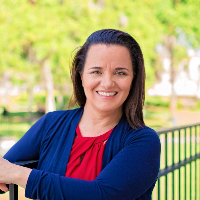
Florida · 20 yrs exp
Dr. Daniella Jackson, LMHC - Addiction and family impact care
Stress, Anxiety · Addictions · Relationship · Self esteem · +16 more
Read profile
Nevada · 30 yrs exp
Licensed counselor - Grief and anxiety focus
Stress, Anxiety · Grief · Self esteem · Coping with life changes · +14 more
Read profile
Massachusetts · 23 yrs exp
LMHC - Relationships and Parenting
Addictions · LGBT · Relationship · Intimacy-related issues · +12 more
Read profile
Florida · 39 yrs exp
LMHC - Relationships and Parenting
Stress, Anxiety · Relationship · Family · Parenting · +14 more
Read profile
Maine · 12 yrs exp
LPC in Maine - Family and parenting focus
Stress, Anxiety · Self esteem · Depression · Coping with life changes · +16 more
Read profile
Mississippi · 16 yrs exp
LPC focused on relationships and parenting
Stress, Anxiety · Relationship · Family · Parenting · +6 more
Read profile
North Carolina · 16 yrs exp
Licensed Clinical Mental Health Counselor - Relationships and Grief
Stress, Anxiety · Relationship · Trauma and abuse · Grief · +7 more
Read profile
Kansas · 12 yrs exp
Licensed Clinical MFT - Relationships and Family Concerns
Stress, Anxiety · Relationship · Intimacy-related issues · Depression · +13 more
Read profile
North Carolina · 51 yrs exp
LCMHC in North Carolina - Relationships and Parenting
Relationship · Intimacy-related issues · Parenting · Self esteem · +12 more
Read profile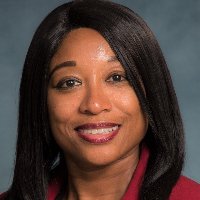
Georgia · 8 yrs exp
Licensed Professional Counselor - Relationships and family concerns
Stress, Anxiety · Relationship · Family · Grief · +11 more
Read profile
Illinois · 20 yrs exp
Illinois LCSW - Family and parenting concerns
Stress, Anxiety · Relationship · Parenting · Self esteem · +7 more
Read profile
Kentucky · 18 yrs exp
LMFT - Relationships and family concerns
LGBT · Relationship · Family · Self esteem · +14 more
Read profile
New York · 9 yrs exp
LMHC - Relationships and family concerns
Addictions · LGBT · Intimacy-related issues · Depression · +9 more
Read profile
Louisiana · 7 yrs exp
Dr. Tanya Harrell, LPC - Family and parenting focus
Stress, Anxiety · Family · Trauma and abuse · Parenting · +15 more
Read profile
Florida · 25 yrs exp
Licensed Mental Health Counselor - Relationships and Trauma
Relationship · Trauma and abuse · Grief · Anger · +12 more
Read profile
Texas · 12 yrs exp
Stress, Anxiety · Addictions · Relationship · Grief · +11 more
Read profile
Pennsylvania · 27 yrs exp
LCSW - Relationships and Parenting
Stress, Anxiety · Relationship · Parenting · Self esteem · +14 more
Read profile
Florida · 12 yrs exp
Licensed Mental Health Counselor - Family and Parenting concerns
Stress, Anxiety · Parenting · Self esteem · Depression · +11 more
Read profile
Maryland · 10 yrs exp
Licensed clinical counselor - Family and relationship concerns
Stress, Anxiety · Relationship · Family · Intimacy-related issues · +12 more
Read profile
Missouri · 36 yrs exp
Licensed clinical social worker - Family and parenting focus
Stress, Anxiety · Relationship · Trauma and abuse · Intimacy-related issues · +15 more
Read profile
Florida · 25 yrs exp
LMHC - Family and parenting concerns
Stress, Anxiety · Family · Grief · Self esteem · +12 more
Read profile
New York · 5 yrs exp
LMHC - Mood and parenting concerns
Stress, Anxiety · LGBT · Trauma and abuse · Bipolar · +12 more
Read profile
Arizona · 23 yrs exp
LPC and LMHC - anxiety and parenting support
Stress, Anxiety · Self esteem · Depression · Coping with life changes · +16 more
Read profile
Michigan · 5 yrs exp
Licensed Professional Counselor - Family and parenting
Stress, Anxiety · Relationship · Family · Self esteem · +12 more
Read profile
Rhode Island · 18 yrs exp
LMHC - Stress and family concerns
Stress, Anxiety · Relationship · Trauma and abuse · Grief · +12 more
Read profile
Pennsylvania · 12 yrs exp
Licensed counselor - Family and parenting concerns
Stress, Anxiety · Relationship · Self esteem · Depression · +11 more
Read profile
Illinois · 20 yrs exp
LCPC counselor - stress and relationships
Stress, Anxiety · LGBT · Anger · Self esteem · +12 more
Read profile
Florida · 26 yrs exp
LMHC - Relationship and parenting concerns
Relationship · Grief · Self esteem · Depression · +13 more
Read profile
Missouri · 16 yrs exp
LCSW - Stress and family concerns
Stress, Anxiety · Trauma and abuse · Self esteem · Bipolar · +12 more
Read profile
North Carolina · 10 yrs exp
Licensed clinical social worker - Family and relationship concerns
Stress, Anxiety · Relationship · Family · Bipolar · +16 more
Read profile
Florida · 12 yrs exp
LMHC - Stress and family related concerns
Stress, Anxiety · Relationship · Intimacy-related issues · Depression · +8 more
Read profile
New York · 11 yrs exp
LMHC in New York - Family and parenting focus
Stress, Anxiety · Grief · Self esteem · Relationship · +8 more
Read profile
Tennessee · 15 yrs exp
LCSW - Family and parenting concerns
Stress, Anxiety · LGBT · Family · Trauma and abuse · +16 more
Read profile
Missouri · 7 yrs exp
Licensed Professional Counselor - Family and parenting focus
Stress, Anxiety · Addictions · Relationship · Self esteem · +13 more
Read profile
Florida · 17 yrs exp
Stress, Anxiety · Addictions · Relationship · Family · +14 more
Read profile
New York · 35 yrs exp
Dr. Colleen Downes, LCSW - Family and parenting focus
Stress, Anxiety · Self esteem · Career · ADHD · +10 more
Read profile
Louisiana · 10 yrs exp
LPC helping adults with family and relationship stress
Stress, Anxiety · Relationship · Family · Depression · +12 more
Read profile
Texas · 10 yrs exp
LPC in Texas - relationships and family focus
Stress, Anxiety · Relationship · Family · Depression · +14 more
Read profile
Wisconsin · 8 yrs exp
LPC counselor - relationships and parenting
Relationship · Intimacy-related issues · Coping with life changes · Stress, Anxiety · +8 more
Read profile
Texas · 11 yrs exp
LPC in Texas - Relationships and Parenting
Stress, Anxiety · Relationship · Family · Parenting · +9 more
Read profile
Ohio · 33 yrs exp
LPCC - Stress and family concerns
Stress, Anxiety · Family · Trauma and abuse · Self esteem · +12 more
Read profile
Illinois · 10 yrs exp
LCPC - Relationships and Life Stress
Stress, Anxiety · LGBT · Relationship · Trauma and abuse · +10 more
Read profile
Virginia · 16 yrs exp
Virginia LCSW - Family and parenting concerns
Stress, Anxiety · Grief · Self esteem · Depression · +12 more
Read profile
Texas · 13 yrs exp
LPC and LMFT - Family and parenting focus
Stress, Anxiety · LGBT · Relationship · Trauma and abuse · +12 more
Read profile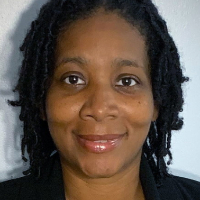
Florida · 13 yrs exp
Licensed counselor - Family and parenting focus
Stress, Anxiety · Anger · Depression · Coping with life changes · +13 more
Read profile
Georgia · 15 yrs exp
Licensed Professional Counselor - Family and relationships
Stress, Anxiety · Grief · Intimacy-related issues · Self esteem · +10 more
Read profile
Minnesota · 23 yrs exp
LMFT focused on relationships and parenting
Stress, Anxiety · Relationship · Trauma and abuse · Self esteem · +13 more
Read profile
Florida · 12 yrs exp
LMFT - relationships and family concerns
Stress, Anxiety · Addictions · Relationship · Family · +15 more
Read profile
Louisiana · 22 yrs exp
Licensed counselor - relationships and parenting
Stress, Anxiety · Relationship · Family · Grief · +11 more
Read profile
North Carolina · 15 yrs exp
Licensed Mental Health Counselor - Family and parenting focus
Stress, Anxiety · Trauma and abuse · Grief · Self esteem · +11 more
Read profile
Texas · 20 yrs exp
Licensed Professional Counselor - Family and parenting issues
Family · Grief · Parenting · Self esteem · +7 more
Read profile
Colorado · 11 yrs exp
LPC counselor - family and parenting concerns
Stress, Anxiety · LGBT · Trauma and abuse · Anger · +15 more
Read profile
Michigan · 15 yrs exp
Licensed Professional Counselor - Family and parenting concerns
Stress, Anxiety · Anger · Self esteem · Depression · +10 more
Read profile
North Carolina · 18 yrs exp
Licensed counselor - Family and parenting focus
Stress, Anxiety · Addictions · Trauma and abuse · Anger · +13 more
Read profileWhen family relationships or parenting roles feel strained, the priorities you bring to a search are likely to reflect immediate pressures - managing conflict with an adult child, coping with a blended family transition, handling caregiving for aging parents, or responding to parenting stress. In this context, therapists who list Family or Parenting among their focuses often work with adults on the emotional and practical aspects of these situations. That means you can look for profiles that reference the kinds of issues you face, whether you need help with boundary-setting, communication skills, navigating role changes, or planning for long-term care decisions.
Keep in mind that a profile that lists Family or Parenting does not necessarily mean the clinician treats children, runs family sessions, or offers couple work. The directory groups professionals who include these topics among their focuses for individual care. If safety is a concern for yourself, a child, or another adult, contact local emergency services or crisis lines immediately rather than relying on an online search. The profiles can help you prepare targeted questions to bring to a first conversation with a clinician about how they might support your specific situation.
This directory organizes profiles by the areas clinicians choose to list, which helps you surface therapists who mention family relationships and parenting in their descriptions. That listing reflects what the therapist reports as areas they address, not a verification of certification or a guarantee of experience with every related issue. The connection between the Family specialty and the rest of a clinician's profile can be informative. For example, you may see the Family focus alongside approaches that emphasize skills and problem-solving, or alongside broader work on life transitions and grief. You can use the listed location on profiles to find clinicians licensed or registered to practice in your region, while recognizing that licensing frameworks differ across countries.
In the United States, professional permission to practice is granted by state licensing boards and is typically described on profiles with license types. In the United Kingdom and Australia, clinicians often note registration or membership with national bodies rather than a single uniform license. Degree abbreviations such as PhD, PsyD, MD, MA, and MSW indicate academic qualifications and are distinct from professional licensing or registration. A degree alone does not confirm current permission to practice in a given jurisdiction. Reading how a clinician combines focus areas, degree information, and professional registrations or licenses on their profile helps you form a clearer picture of their background.
When you review profiles, think about concise, concrete questions that will clarify how a clinician works and whether their approach aligns with your needs. You might ask which aspects of family or parenting they most frequently address in work with adults, and whether they list experience with blended families, adult caregiving, parenting stress, or long-distance family dynamics. If certain therapeutic approaches matter to you, look for clinicians who list those approaches among their methods and prepare to ask how they apply them in the context of parenting or family-related concerns. For instance, clinicians who list cognitive behavioral approaches often focus on skills and patterns, while those who list emotionally focused or narrative approaches may emphasize meaning and relationship patterns - always ask how a listed approach would be used for your particular situation.
Ask about the clinician's experience with populations you identify with - for example, parenting teens, supporting adult children during life transitions, or working with adult caregivers. Profiles sometimes list languages spoken and areas of cultural competency; if language or cultural context is important, raise that early. Remember that a profile's statements are a starting point for conversation, and you should confirm directly whether the therapist regularly sees adults for family and parenting concerns and what their typical therapeutic goals and timelines look like for that work.
If you are considering remote sessions, there are practical items to cover before initiating care. Clarify what communication channels the clinician uses for appointment reminders and follow-up, and ask about their policies on message response time so you know what to expect. Discuss how records and privacy are handled by the clinician and whether the platform or software used has privacy features that align with your needs. It is reasonable to inquire how the clinician handles emergencies that occur between sessions, and what local resources they recommend in your listed location if an urgent situation arises.
Because regulations vary across countries and states, make sure the clinician can ethically work with you based on the listed location you supply. Ask whether they can provide services to someone located in your jurisdiction and what professional registration or licensing authorizes their practice there. If you anticipate needing documentation for an employer, school, or health provider, discuss that paperwork up front. These conversations help set expectations about how the clinician conducts remote work and how they will tailor their support to your family's specific circumstances.
Comparing profiles effectively means looking beyond single words and focusing on how clinicians describe their emphasis, skills, and the populations they work with. Read the narrative parts of profiles to understand whether the clinician highlights practical skill-building, emotional exploration, life transitions, or problem-solving for parenting responsibilities. Pay attention to the languages listed on a profile and whether the clinician notes cultural familiarity that matters to you. When it comes to credentials, distinguish academic degrees from professional permissions to practice - a PhD or MSW indicates educational background, while a license or registration indicates regulation under a professional body in a specific region.
Also consider the interpersonal style the clinician describes. Some profiles emphasize a direct, problem-focused approach, while others emphasize reflective exploration. Think about the communication style that helps you engage most effectively. If cost, session length, or scheduling rhythm are important factors for your decision-making, bring those topics into the conversation with the clinician. Above all, treat profiles as a way to narrow the field and guide your questions, and use the first contact to confirm scope of practice, whether the clinician works with adults on family and parenting concerns, and how their approach aligns with your goals.
Finding the right person to work with often requires reading several profiles, preparing specific questions, and having an initial conversation. Use the directory to identify professionals who list Family or Parenting among their focuses, and reach out to those whose descriptions and credentials best match the practical and emotional needs you are bringing to the search.
Alabama
119 therapists
Alaska
16 therapists
Arizona
122 therapists
Arkansas
51 therapists
Australia
150 therapists
California
565 therapists
Colorado
179 therapists
Connecticut
63 therapists
Delaware
20 therapists
District of Columbia
26 therapists
Florida
947 therapists
Georgia
281 therapists
Hawaii
24 therapists
Idaho
48 therapists
Illinois
260 therapists
Indiana
138 therapists
Iowa
38 therapists
Kansas
63 therapists
Kentucky
95 therapists
Louisiana
153 therapists
Maine
31 therapists
Maryland
146 therapists
Massachusetts
98 therapists
Michigan
256 therapists
Minnesota
85 therapists
Mississippi
68 therapists
Missouri
217 therapists
Montana
50 therapists
Nebraska
34 therapists
Nevada
35 therapists
New Hampshire
24 therapists
New Jersey
170 therapists
New Mexico
41 therapists
New York
328 therapists
North Carolina
365 therapists
North Dakota
3 therapists
Ohio
203 therapists
Oklahoma
110 therapists
Oregon
49 therapists
Pennsylvania
239 therapists
Rhode Island
11 therapists
South Carolina
180 therapists
South Dakota
17 therapists
Tennessee
130 therapists
Texas
751 therapists
United Kingdom
1465 therapists
Utah
68 therapists
Vermont
11 therapists
Virginia
181 therapists
Washington
90 therapists
West Virginia
33 therapists
Wisconsin
136 therapists
Wyoming
19 therapists