
David Martin
LCSWIdaho · 18 yrs exp
LCSW - Stress and family related concerns
Stress, Anxiety · Trauma and abuse · Grief · Self esteem · +10 more
Read profileTherapist listings are provided by BetterHelp. We will earn a commission at no additional cost to you if you use our links to purchase.
Browse therapists listed in Idaho who note family relationships and parenting among their focus areas.
Compare profiles to review approaches, credentials, languages and experience, and check the individual profile and confirm permission to work together where they live before making contact.
Idaho · 18 yrs exp
LCSW - Stress and family related concerns
Stress, Anxiety · Trauma and abuse · Grief · Self esteem · +10 more
Read profile
Idaho · 5 yrs exp
Licensed counselor - Family and parenting concerns
Stress, Anxiety · Addictions · Relationship · Depression · +6 more
Read profile
Idaho · 11 yrs exp
LCSW focusing on relationships and parenting
Stress, Anxiety · Addictions · LGBT · Depression · +16 more
Read profile
Idaho · 13 yrs exp
LCSW focusing on relationships and parenting
Stress, Anxiety · Addictions · Trauma and abuse · Depression · +7 more
Read profile
Idaho · 37 yrs exp
LCSW - Stress and relationship concerns
Stress, Anxiety · Relationship · Trauma and abuse · Grief · +10 more
Read profile
Idaho · 8 yrs exp
Licensed Professional Counselor - Parenting and Family concerns
Stress, Anxiety · Trauma and abuse · Parenting · Self esteem · +2 more
Read profile
Idaho · 8 yrs exp
Licensed Clinical Social Worker - Family and parenting concerns
Stress, Anxiety · Relationship · Trauma and abuse · Bipolar · +14 more
Read profile
Idaho · 19 yrs exp
LPC focusing on family and personal concerns
Stress, Anxiety · Addictions · Trauma and abuse · Self esteem · +11 more
Read profile
Idaho · 12 yrs exp
Licensed social worker - Family and parenting focus
Stress, Anxiety · Trauma and abuse · Self esteem · Bipolar · +14 more
Read profile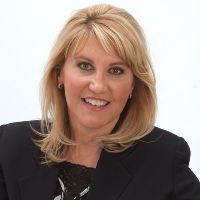
Idaho · 28 yrs exp
LCPC in Idaho - Family and parenting concerns
Stress, Anxiety · Relationship · Depression · Coping with life changes · +8 more
Read profile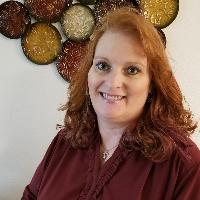
Idaho · 9 yrs exp
LCSW - Stress and Parenting support
Stress, Anxiety · Trauma and abuse · Anger · Depression · +13 more
Read profile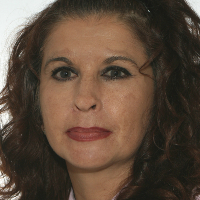
Idaho · 8 yrs exp
Licensed counselor - Stress and family concerns
Stress, Anxiety · Trauma and abuse · Grief · Sleeping · +13 more
Read profile
Idaho · 6 yrs exp
LCSW helping with family and parenting concerns
Stress, Anxiety · Addictions · Relationship · Depression · +9 more
Read profile
Idaho · 9 yrs exp
LCSW - Stress and family concerns
Stress, Anxiety · Family · Parenting · Self esteem · +13 more
Read profile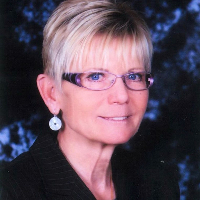
Idaho · 29 yrs exp
LCPC counselor - Family and parenting focus
Stress, Anxiety · Relationship · Family · Grief · +10 more
Read profile
Idaho · 10 yrs exp
LPC counselor - relationships and family concerns
Stress, Anxiety · Relationship · Family · Career · +12 more
Read profile
Idaho · 13 yrs exp
LCSW working with parenting and family concerns
Stress, Anxiety · Addictions · Trauma and abuse · Anger · +13 more
Read profile
Idaho · 19 yrs exp
Licensed Clinical Professional Counselor - Family and parenting concerns
Trauma and abuse · Grief · Self esteem · Bipolar · +8 more
Read profile
Idaho · 26 yrs exp
LCSW and LMHC - stress and parenting
Stress, Anxiety · Relationship · Family · Trauma and abuse · +13 more
Read profile
Idaho · 25 yrs exp
LCSW - Family and parenting concerns
Stress, Anxiety · Relationship · Grief · Depression · +11 more
Read profile
Idaho · 10 yrs exp
LPC focused on parenting and relationships
Stress, Anxiety · Relationship · Parenting · Self esteem · +15 more
Read profile
Idaho · 25 yrs exp
LCSW LICSW - relationship and family concerns
Stress, Anxiety · Relationship · Family · Trauma and abuse · +14 more
Read profile
Idaho · 6 yrs exp
Licensed Clinical Social Worker - Family and parenting concerns
Stress, Anxiety · Relationship · Self esteem · Depression · +14 more
Read profile
Idaho · 6 yrs exp
LPC in Idaho - family and parenting focus
Stress, Anxiety · Trauma and abuse · Grief · Anger · +12 more
Read profile
Idaho · 24 yrs exp
Licensed Clinical Professional Counselor - Family and parenting concerns
Stress, Anxiety · Relationship · Grief · Depression · +8 more
Read profile
Idaho · 11 yrs exp
Licensed Clinical Professional Counselor - Family and parenting focus
Stress, Anxiety · Family · Trauma and abuse · Self esteem · +13 more
Read profile
Idaho · 7 yrs exp
LCSW - Family and parenting concerns
Stress, Anxiety · Self esteem · Depression · Relationship · +7 more
Read profile
Idaho · 8 yrs exp
Licensed counselor - Family and relationship concerns
Stress, Anxiety · Addictions · Self esteem · Depression · +9 more
Read profile
Idaho · 4 yrs exp
LPC in Idaho - relationship and parenting concerns
Stress, Anxiety · Relationship · Intimacy-related issues · Depression · +9 more
Read profile
Idaho · 14 yrs exp
LCPC counselor - Parenting and family concerns
Stress, Anxiety · Parenting · Anger · Self esteem · +11 more
Read profile
Idaho · 5 yrs exp
Licensed Professional Counselor - Family and parenting concerns
Stress, Anxiety · Addictions · Relationship · Trauma and abuse · +11 more
Read profile
Idaho · 8 yrs exp
Licensed Professional Counselor - Addiction and Family concerns
Stress, Anxiety · Addictions · LGBT · Relationship · +15 more
Read profile
Idaho · 27 yrs exp
LCSW - Family and parenting related concerns
Stress, Anxiety · Family · Trauma and abuse · Grief · +11 more
Read profile
Idaho · 15 yrs exp
Licensed Professional Counselor - Relationships and Life Changes
Stress, Anxiety · Addictions · Anger · Self esteem · +8 more
Read profile
Idaho · 20 yrs exp
LCSW focused on family and parenting concerns
Stress, Anxiety · Trauma and abuse · Grief · Depression · +13 more
Read profile
Idaho · 10 yrs exp
LCSW - relationships and family concerns
Stress, Anxiety · Relationship · Family · Intimacy-related issues · +7 more
Read profile
Idaho · 10 yrs exp
Licensed Professional Counselor - Parenting and family concerns
Stress, Anxiety · Trauma and abuse · Parenting · Self esteem · +11 more
Read profile
Idaho · 20 yrs exp
Dr. Skytina Felder-Jones - LMHC, LCPC; addictions and parenting
Addictions · Relationship · Trauma and abuse · Parenting · +1 more
Read profile
Idaho · 6 yrs exp
LPC counselor - Family and parenting focus
Stress, Anxiety · Relationship · Family · Trauma and abuse · +14 more
Read profile
Idaho · 24 yrs exp
LCSW - Depression and Family concerns
Trauma and abuse · Grief · Career · Depression · +16 more
Read profile
Idaho · 3 yrs exp
LPC in Idaho - Stress and family concerns
Stress, Anxiety · Addictions · Trauma and abuse · Self esteem · +11 more
Read profile
Idaho · 30 yrs exp
Licensed Clinical Social Worker - Trauma and family concerns
Stress, Anxiety · Trauma and abuse · Grief · Depression · +10 more
Read profile
Idaho · 10 yrs exp
LMFT - Relationships and Parenting
Trauma and abuse · Parenting · Self esteem · Coping with life changes · +7 more
Read profile
Idaho · 13 yrs exp
Licensed Marriage and Family Therapist - Stress and Family concerns
Stress, Anxiety · Family · Anger · Depression · +1 more
Read profile
Idaho · 12 yrs exp
Licensed Professional Counselor - Family and parenting focus
Stress, Anxiety · Relationship · Family · Parenting · +1 more
Read profile
Idaho · 16 yrs exp
LMFT - Stress and parenting support
Stress, Anxiety · Parenting · Anger · Self esteem · +1 more
Read profile
Idaho · 3 yrs exp
Licensed Professional Counselor - family and life changes
Stress, Anxiety · Family · Grief · Anger · +1 more
Read profile
Idaho · 8 yrs exp
Licensed Professional Counselor - family and parenting focus
Stress, Anxiety · LGBT · Trauma and abuse · Grief · +16 more
Read profileWhen family dynamics become a source of ongoing stress, you may feel unsure where to turn. Whether you are managing conflict with a partner, parenting young children, navigating a blended family, caring for adult children, or supporting aging parents, the challenges you bring to a therapist often cross practical and emotional boundaries. You should expect to describe the specific concerns you want to address, such as boundaries that are breaking down, discipline and behavior management, grief after a family loss, difficulties managing caregiving responsibilities, or the strain of co-parenting after separation. These are the kinds of issues people raise when searching for help with family relationships and parenting in Idaho.
It is important to remember that therapists listed here work with individuals on family and parenting concerns unless a profile specifically says they run joint sessions. If anyone is at immediate risk of harm, including a child or an adult who is unsafe, contact local emergency services right away. A directory listing groups profiles under a listed location but does not guarantee an in-person office or a particular scope of practice. Use the profile information as a starting point to identify professionals whose stated focus areas match your needs and then reach out to confirm particulars before scheduling any sessions.
The fact that a profile appears under Idaho means the directory groups that person under a listed location. It is not evidence that a practitioner maintains an office in Idaho, nor is it proof of an active permission to practice there. You should always check the individual profile and confirm permission to work together where they live. When you review credentials, distinguish academic degrees from professional permission to practice. Degrees such as PhD, PsyD, MD, MA, and MSW indicate completed graduate education but do not by themselves establish current permission to provide care in a jurisdiction.
Professional permission varies by country. In the United States, clinicians generally hold state licensure that names a professional category - for example, a clinical social worker, marriage and family therapist, professional counselor, psychologist, or physician - and that licensure is issued by a state agency. In the United Kingdom and Australia, professionals may be registered with national or regional boards or hold membership in professional bodies, and terminology can differ. A profile may list a degree, a registration, or a membership; read those descriptions carefully and, if needed, ask the practitioner how their credentials relate to where you live. Confirming permission to work with you in your location is an important step before beginning care.
When you contact a clinician, prepare concrete questions that help you compare how they describe their work. Ask which issues they most often address and how that aligns with your concern, for example, parenting stress, setting boundaries with adult children, blended family communication, or caregiver burnout for aging parents. Inquire about the approaches they list and the populations they typically see. Some therapists list specific methods among their approaches; you can phrase questions like, "I see you list EMDR among your approaches - how might that approach be used in addressing parenting-related trauma?" or "How do you adapt your approach when working with adult children versus parents?" This phrasing notes the approach as an option to discuss rather than assuming it indicates a formal certification.
Also ask about the therapist's experience with situations similar to yours. You can request examples of how they have worked with people managing blended family logistics, navigating step-parent roles, or supporting aging parents through care transitions. Ask how they measure progress in therapy and what collaboration with other professionals looks like when necessary. These questions will help you evaluate the match between your expectations and the clinician's stated focus, without relying on general labels or unverified claims.
If you are considering remote sessions, there are practical topics to cover up front. Confirm that the clinician has permission to work with people in your state or country and ask where the practitioner is located during sessions, since jurisdictional rules often depend on the clinician's and your locations. Discuss how emergencies are handled, including what you should do if someone is in immediate danger and local emergency contact information for your area. Make sure you have a private space for your session and that you and the clinician agree on what to do if a connection drops or technology fails.
You should also talk about communication outside of scheduled sessions - for instance, whether the clinician uses text-based messaging or limits contact to appointment scheduling. Clarify expectations around information-sharing boundaries practices and record keeping, while noting that legal exceptions may apply in situations of harm or mandatory reporting. Before you start, ask what a typical initial conversation covers so you know how long intake discussions may take and what documentation, if any, you should prepare. These conversations help set clear boundaries and mutual understanding before you begin working together.
Profiles can differ in ways that matter to your decision. Focus areas indicate the issues a clinician writes about most commonly, such as parenting, family relationships, grief, or caregiving for older adults. Languages listed on a profile may be important if you prefer to speak in a language other than English; consider how comfortably you can express sensitive material in the languages offered. When you look at credentials, note academic degrees separately from registrations or licensure then ask questions that clarify how those credentials enable practice in your location.
Therapeutic style is another key comparison point. Some practitioners describe a practical coaching orientation, others emphasize exploration of past experiences, and some blend approaches depending on the individual. Ask clinicians to describe how they typically structure sessions and how they adapt when people raise parenting challenges, family conflict, or cultural differences within a household. You can also inquire how they involve parents in plans for behavior change or communication practice while keeping the work focused on your goals as an individual.
Ultimately, the profiles are tools to help you narrow choices and identify who you might want to contact. Use the profile details to form specific questions, confirm permission to work together where they live, and discuss scope and approach directly with any clinician you consider. Taking these steps will help you find a practitioner whose ways of working align with your needs and whose profile provides a clear starting point for conversation.
ADHD
5093 therapists
Anger
6665 therapists
Control Issues
5020 therapists
Depression
8168 therapists
Domestic Violence
3579 therapists
Grief
7314 therapists
Guilt and Shame
6692 therapists
Intimacy Issues
5425 therapists
Isolation / Loneliness
6371 therapists
Midlife Crisis
4715 therapists
Panic Disorder and Panic Attacks
4979 therapists
Postpartum Depression
3147 therapists
Self Esteem
8202 therapists
Stress & Anxiety
8703 therapists
Trauma and Abuse
7482 therapists
Abandonment
4885 therapists
Aging and Geriatric Issues
3237 therapists
Attachment Issues
5173 therapists
Blended Family Issues
4188 therapists
Caregiver Issues and Stress
5297 therapists
Codependency
4815 therapists
Commitment Issues
4092 therapists
Communication Problems
7154 therapists
Compassion Fatigue
5325 therapists
Coping with Life Changes
7978 therapists
Divorce
5713 therapists
Family
8273 therapists
Family of Origin Issues
3915 therapists
Forgiveness
6237 therapists
Infidelity
3873 therapists
Money and Financial Issues
3193 therapists
Parenting
7005 therapists
Relationship
8113 therapists
Workplace Issues
5603 therapists