
Velma Jones
LCSWNew York · 29 yrs exp
LCSW - Relationships and Parenting
Stress, Anxiety · Relationship · Trauma and abuse · Depression · +10 more
Read profileTherapist listings are provided by BetterHelp. We will earn a commission at no additional cost to you if you use our links to purchase.
This page groups profiles of professionals who list Panic Disorder and Panic Attacks alongside family or parenting among their areas of focus. Use the profiles to compare approaches, languages, credentials and listed location, then browse profiles to learn more.
New York · 29 yrs exp
LCSW - Relationships and Parenting
Stress, Anxiety · Relationship · Trauma and abuse · Depression · +10 more
Read profile
Ohio · 25 yrs exp
Dr. Julie McCune, LPCC - Family and parenting concerns
Stress, Anxiety · LGBT · Relationship · Self esteem · +16 more
Read profile
Michigan · 25 yrs exp
Licensed Professional Counselor - Family and parenting concerns
Stress, Anxiety · LGBT · Relationship · Grief · +10 more
Read profile
Colorado · 19 yrs exp
Licensed Clinical Social Worker - Family and parenting concerns
Stress, Anxiety · Relationship · Trauma and abuse · Grief · +12 more
Read profile
South Carolina · 16 yrs exp
LMFT - Relationship and family concerns
Stress, Anxiety · Relationship · Family · Parenting · +14 more
Read profile
Texas · 13 yrs exp
LCSW focused on family and related concerns
Stress, Anxiety · Relationship · Trauma and abuse · Anger · +11 more
Read profile
Florida · 20 yrs exp
Dr. Daniella Jackson, LMHC - Addiction and family impact care
Stress, Anxiety · Addictions · Relationship · Self esteem · +16 more
Read profile
Massachusetts · 23 yrs exp
LMHC - Relationships and Parenting
Addictions · LGBT · Relationship · Intimacy-related issues · +12 more
Read profile
North Carolina · 16 yrs exp
Licensed Clinical Mental Health Counselor - Relationships and Grief
Stress, Anxiety · Relationship · Trauma and abuse · Grief · +7 more
Read profile
Kansas · 12 yrs exp
Licensed Clinical MFT - Relationships and Family Concerns
Stress, Anxiety · Relationship · Intimacy-related issues · Depression · +13 more
Read profile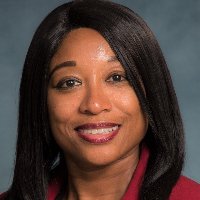
Georgia · 8 yrs exp
Licensed Professional Counselor - Relationships and family concerns
Stress, Anxiety · Relationship · Family · Grief · +11 more
Read profile
New York · 9 yrs exp
LMHC - Relationships and family concerns
Addictions · LGBT · Intimacy-related issues · Depression · +9 more
Read profile
Florida · 25 yrs exp
Licensed Mental Health Counselor - Relationships and Trauma
Relationship · Trauma and abuse · Grief · Anger · +12 more
Read profile
Texas · 12 yrs exp
Stress, Anxiety · Addictions · Relationship · Grief · +11 more
Read profile
Pennsylvania · 27 yrs exp
LCSW - Relationships and Parenting
Stress, Anxiety · Relationship · Parenting · Self esteem · +14 more
Read profile
Illinois · 25 yrs exp
LCSW - Mood and relationship concerns
Stress, Anxiety · Relationship · Grief · Depression · +10 more
Read profile
Florida · 12 yrs exp
Licensed Mental Health Counselor - Family and Parenting concerns
Stress, Anxiety · Parenting · Self esteem · Depression · +11 more
Read profile
Missouri · 36 yrs exp
Licensed clinical social worker - Family and parenting focus
Stress, Anxiety · Relationship · Trauma and abuse · Intimacy-related issues · +15 more
Read profile
Florida · 25 yrs exp
LMHC - Family and parenting concerns
Stress, Anxiety · Family · Grief · Self esteem · +12 more
Read profile
New York · 5 yrs exp
LMHC - Mood and parenting concerns
Stress, Anxiety · LGBT · Trauma and abuse · Bipolar · +12 more
Read profile
Arizona · 23 yrs exp
LPC and LMHC - anxiety and parenting support
Stress, Anxiety · Self esteem · Depression · Coping with life changes · +16 more
Read profile
Michigan · 5 yrs exp
Licensed Professional Counselor - Family and parenting
Stress, Anxiety · Relationship · Family · Self esteem · +12 more
Read profile
Rhode Island · 18 yrs exp
LMHC - Stress and family concerns
Stress, Anxiety · Relationship · Trauma and abuse · Grief · +12 more
Read profile
Pennsylvania · 12 yrs exp
Licensed counselor - Family and parenting concerns
Stress, Anxiety · Relationship · Self esteem · Depression · +11 more
Read profile
Illinois · 20 yrs exp
LCPC counselor - stress and relationships
Stress, Anxiety · LGBT · Anger · Self esteem · +12 more
Read profile
Florida · 26 yrs exp
LMHC - Relationship and parenting concerns
Relationship · Grief · Self esteem · Depression · +13 more
Read profile
Missouri · 16 yrs exp
LCSW - Stress and family concerns
Stress, Anxiety · Trauma and abuse · Self esteem · Bipolar · +12 more
Read profile
North Carolina · 10 yrs exp
Licensed clinical social worker - Family and relationship concerns
Stress, Anxiety · Relationship · Family · Bipolar · +16 more
Read profile
Florida · 12 yrs exp
LMHC - Stress and family related concerns
Stress, Anxiety · Relationship · Intimacy-related issues · Depression · +8 more
Read profile
New York · 11 yrs exp
LMHC in New York - Family and parenting focus
Stress, Anxiety · Grief · Self esteem · Relationship · +8 more
Read profile
Tennessee · 15 yrs exp
LCSW - Family and parenting concerns
Stress, Anxiety · LGBT · Family · Trauma and abuse · +16 more
Read profile
Missouri · 7 yrs exp
Licensed Professional Counselor - Family and parenting focus
Stress, Anxiety · Addictions · Relationship · Self esteem · +13 more
Read profile
Florida · 17 yrs exp
Stress, Anxiety · Addictions · Relationship · Family · +14 more
Read profile
Louisiana · 10 yrs exp
LPC helping adults with family and relationship stress
Stress, Anxiety · Relationship · Family · Depression · +12 more
Read profile
Texas · 10 yrs exp
LPC in Texas - relationships and family focus
Stress, Anxiety · Relationship · Family · Depression · +14 more
Read profile
Texas · 11 yrs exp
LPC in Texas - Relationships and Parenting
Stress, Anxiety · Relationship · Family · Parenting · +9 more
Read profile
Ohio · 33 yrs exp
LPCC - Stress and family concerns
Stress, Anxiety · Family · Trauma and abuse · Self esteem · +12 more
Read profile
Illinois · 10 yrs exp
LCPC - Relationships and Life Stress
Stress, Anxiety · LGBT · Relationship · Trauma and abuse · +10 more
Read profile
Texas · 13 yrs exp
LPC and LMFT - Family and parenting focus
Stress, Anxiety · LGBT · Relationship · Trauma and abuse · +12 more
Read profile
Georgia · 15 yrs exp
Licensed Professional Counselor - Family and relationships
Stress, Anxiety · Grief · Intimacy-related issues · Self esteem · +10 more
Read profile
Minnesota · 23 yrs exp
LMFT focused on relationships and parenting
Stress, Anxiety · Relationship · Trauma and abuse · Self esteem · +13 more
Read profile
North Carolina · 15 yrs exp
Licensed Mental Health Counselor - Family and parenting focus
Stress, Anxiety · Trauma and abuse · Grief · Self esteem · +11 more
Read profile
Colorado · 11 yrs exp
LPC counselor - family and parenting concerns
Stress, Anxiety · LGBT · Trauma and abuse · Anger · +15 more
Read profile
Michigan · 21 yrs exp
LMSW - Relationships and family concerns
Stress, Anxiety · Relationship · Family · Bipolar · +14 more
Read profile
Texas · 21 yrs exp
Licensed Clinical Social Worker - Family and parenting issues
Stress, Anxiety · Relationship · Trauma and abuse · Intimacy-related issues · +15 more
Read profile
Texas · 8 yrs exp
Licensed Professional Counselor - Family and parenting concerns
Stress, Anxiety · Grief · Self esteem · Career · +11 more
Read profile
Louisiana · 10 yrs exp
LPC counselor focusing on family and parenting concerns
Stress, Anxiety · Grief · Anger · Depression · +8 more
Read profile
California · 8 yrs exp
LMFT - Relationships and family concerns
Stress, Anxiety · Addictions · Relationship · Self esteem · +15 more
Read profile
Montana · 16 yrs exp
LCPC in Montana - Family and parenting focus
Stress, Anxiety · Relationship · Self esteem · Depression · +11 more
Read profile
Arizona · 30 yrs exp
Licensed counselor - Family and parenting support
Stress, Anxiety · Trauma and abuse · Self esteem · Career · +11 more
Read profile
Illinois · 25 yrs exp
Licensed Clinical Social Worker - Family and life concerns
Stress, Anxiety · Self esteem · Career · Coping with life changes · +10 more
Read profile
Florida · 30 yrs exp
Florida psychologist - family and parenting concerns
Stress, Anxiety · Grief · Anger · Depression · +15 more
Read profile
New Jersey · 8 yrs exp
Licensed Clinical Social Worker - Family and parenting concerns
Stress, Anxiety · Relationship · Trauma and abuse · Bipolar · +14 more
Read profile
Wisconsin · 11 yrs exp
Licensed Professional Counselor - Family and parenting topics
Stress, Anxiety · Family · Trauma and abuse · Depression · +12 more
Read profile
Nebraska · 14 yrs exp
Licensed LIMHP - Family and relationship concerns
Stress, Anxiety · Grief · Bipolar · Depression · +13 more
Read profile
Texas · 20 yrs exp
Licensed Professional Counselor - Stress and Trauma
Stress, Anxiety · Trauma and abuse · Self esteem · Depression · +12 more
Read profile
Florida · 10 yrs exp
LMHC in Florida - Family and parenting focus
Stress, Anxiety · Family · Parenting · Self esteem · +10 more
Read profile
Texas · 23 yrs exp
LPC counselor - Family and parenting concerns
Stress, Anxiety · Relationship · Self esteem · Career · +11 more
Read profile
Pennsylvania · 6 yrs exp
Licensed Professional Counselor - Family and parenting focus
Stress, Anxiety · LGBT · Relationship · Self esteem · +15 more
Read profile
Utah · 6 yrs exp
Licensed Clinical Mental Health Counselor - Family and Parenting
Stress, Anxiety · Trauma and abuse · Self esteem · Depression · +8 more
Read profileIf you are managing panic attacks or a diagnosis of panic disorder while caring for children, supporting adult children or assisting aging parents, you are balancing emotional strain with practical responsibilities. Panic attacks often feel overwhelming in the moment, and their timing can affect routines, school runs, work demands and caregiving tasks. You may notice anxiety about when an attack will occur, avoidance of certain activities, or worry about how family members will react. These experiences are common topics people bring to therapy when they want help understanding symptoms, learning coping tools and adapting parenting or caregiving roles to match current needs.
When someone in your household is in immediate danger or at risk of harming themselves or others, contact local emergency services right away. If the concern involves a child or an adult who cannot keep themselves safe, call emergency responders or a crisis line in your country. Outside of urgent situations, discussing how panic interacts with your family responsibilities can help you identify practical adjustments and supports to reduce disruption at home.
Panic symptoms do not exist in isolation from family life. You may find that arguments, unresolved conflict or the constant demands of parenting intensify anxiety in the moment, or that household transitions - such as a move, separation or a child starting school - coincide with more frequent panic. That does not mean one issue caused the other. Instead, panic can influence how you communicate with partners, children and other relatives, and it can change how you approach everyday parenting tasks. You might prefer shorter outings, need extra planning before family events, or ask for practical help from a relative when a stressful period is expected.
Therapists listed on this page also note family and parenting among their focuses, which can be helpful if your primary concern is panic but you want a practitioner who understands parenting roles, blended family dynamics or the challenges of caring for aging parents. Profiles indicate a professional's stated interests, not a guarantee of particular services. If you want to work with someone who understands the intersection of panic and parenting, look for profiles that describe experience with adults in caregiving roles and mention the kinds of family situations that match your life.
When you review profiles or get in touch with a therapist, clear questions help you learn how they might fit your needs. Ask whether they have experience helping adults who are parents or caregivers and whether they have worked with panic attacks specifically. Phrase inquiries about methods as options to discuss rather than as assumptions that a therapist uses them. For example, you can ask if the therapist works with cognitive-behavioral techniques, exposure-based approaches, acceptance and commitment strategies, mindfulness practices or whether they are a clinician who lists EMDR among their approaches. A profile that lists an approach does not prove training or certification in that technique, so ask how they apply those tools in practice.
Clarify the populations they commonly see and whether they focus on individual work with people who juggle family responsibilities. Distinguish academic degrees from permission to practice by asking about both the professional's academic credentials - such as a PhD, PsyD, MD, MA or MSW - and their current license, registration or professional membership. In the United States that typically means a state license, while in the United Kingdom or Australia it often means registration with a national board or membership in a professional body. You can also ask about language options, therapeutic style, and whether they coordinate with medical providers if you and your doctor are discussing medication or other medical care.
If you are considering remote sessions, prepare to discuss a few practical topics so you can decide if that format fits your needs. Talk about what technology will be used and whether the therapist has recommendations for minimizing interruptions when you are at home with children or caring for someone else. Discuss a plan for what to do if you experience a severe panic attack during a session, including local emergency contacts and how the therapist will support you if you are in a different location. Confirm the therapist's listed location and time zone so you are clear about scheduling and any differences that might affect session times.
It is also useful to be open about household realities - for example, whether you have a calm area where you can talk without being overheard, whether children might enter the room, and whether you need brief check-ins or longer blocks of time. If a child or adult in your care is unsafe at any time, seek immediate help from emergency services rather than waiting for a scheduled appointment. Therapists can help you plan for safety and steps to take during a crisis, but an appointment system cannot replace urgent intervention.
Profiles often include a combination of stated focus areas, approaches, listed location and languages spoken. When you compare profiles, pay attention to how each professional describes their work with adults who face family or parenting challenges and whether they explicitly mention panic attacks or panic disorder. Look at the descriptive language used to convey therapeutic style - some professionals describe themselves as directive and skills-oriented, while others emphasize reflective or exploratory work. These descriptions can help you decide which style might suit your temperament and immediate goals.
Check credentials carefully and distinguish academic degrees from current permission to practice. A PhD or PsyD indicates advanced academic training, while licensure, registration or membership reflects current professional standing in a jurisdiction. In the United States, that typically means a state-issued license; in the United Kingdom or Australia, it often means registration with a regulatory body or membership in a national association. Also note the languages listed on a profile if communicating in a language other than English matters to you. If a profile references experience with parenting or caregiving topics, read the summary to see whether that experience aligns with your situation, such as parenting young children, managing adolescent behavior, supporting adult children, or helping aging parents.
Finally, use initial conversations to confirm details that matter most to you: how the therapist typically structures sessions with clients managing panic and parenting duties, whether they have worked with people in similar life stages, and how they handle coordination with other professionals when needed. Profiles give you a starting point, and direct questions help you gather the specific information you need to choose a professional whose focus and style fit the demands of your family life.
As you browse profiles on this page, keep a short list of the most relevant questions for the professionals you are considering. Prioritize what matters for your daily life - such as language, listed location, experience with parenting concerns and therapeutic style - and reach out to learn more. If you are ever worried about immediate harm to yourself or someone else, call local emergency services right away. Otherwise, use the profile details and initial conversations to find a practitioner who can discuss your panic symptoms in the context of your family responsibilities and help you plan practical steps forward.
Alabama
119 therapists
Alaska
16 therapists
Arizona
122 therapists
Arkansas
51 therapists
Australia
150 therapists
California
565 therapists
Colorado
179 therapists
Connecticut
63 therapists
Delaware
20 therapists
District of Columbia
26 therapists
Florida
947 therapists
Georgia
281 therapists
Hawaii
24 therapists
Idaho
48 therapists
Illinois
260 therapists
Indiana
138 therapists
Iowa
38 therapists
Kansas
63 therapists
Kentucky
95 therapists
Louisiana
153 therapists
Maine
31 therapists
Maryland
146 therapists
Massachusetts
98 therapists
Michigan
256 therapists
Minnesota
85 therapists
Mississippi
68 therapists
Missouri
217 therapists
Montana
50 therapists
Nebraska
34 therapists
Nevada
35 therapists
New Hampshire
24 therapists
New Jersey
170 therapists
New Mexico
41 therapists
New York
328 therapists
North Carolina
365 therapists
North Dakota
3 therapists
Ohio
203 therapists
Oklahoma
110 therapists
Oregon
49 therapists
Pennsylvania
239 therapists
Rhode Island
11 therapists
South Carolina
180 therapists
South Dakota
17 therapists
Tennessee
130 therapists
Texas
751 therapists
United Kingdom
1465 therapists
Utah
68 therapists
Vermont
11 therapists
Virginia
181 therapists
Washington
90 therapists
West Virginia
33 therapists
Wisconsin
136 therapists
Wyoming
19 therapists