
Maya Neal
LMFTSouth Carolina · 16 yrs exp
LMFT - Relationship and family concerns
Stress, Anxiety · Relationship · Family · Parenting · +14 more
Read profileTherapist listings are provided by BetterHelp. We will earn a commission at no additional cost to you if you use our links to purchase.
Compare therapists listed in South Carolina who include family relationships or parenting among their specialties. Browse profiles to compare focus areas, approaches, credentials and languages, then view individual profiles to confirm where a therapist is permitted to work.
South Carolina · 16 yrs exp
LMFT - Relationship and family concerns
Stress, Anxiety · Relationship · Family · Parenting · +14 more
Read profile
South Carolina · 20 yrs exp
Licensed social worker - family and parenting support
Stress, Anxiety · Relationship · Eating · Self esteem · +10 more
Read profile
South Carolina · 13 yrs exp
LISW-CP in South Carolina - Family and parenting focus
Stress, Anxiety · Family · Parenting · Self esteem · +10 more
Read profile
South Carolina · 5 yrs exp
Licensed Professional Counselor - Relationships and Family
Relationship · Family · Trauma and abuse · Intimacy-related issues · +15 more
Read profile
South Carolina · 25 yrs exp
Licensed Professional Counselor - Family and parenting focus
Stress, Anxiety · LGBT · Relationship · Trauma and abuse · +9 more
Read profile
South Carolina · 8 yrs exp
Licensed counselor - family and parenting concerns
Stress, Anxiety · Trauma and abuse · Self esteem · Depression · +16 more
Read profile
South Carolina · 8 yrs exp
South Carolina LPC - Family and parenting focus
Stress, Anxiety · Trauma and abuse · Anger · Bipolar · +13 more
Read profile
South Carolina · 9 yrs exp
LPC in South Carolina - Family and parenting focus
Stress, Anxiety · Family · Eating · Self esteem · +9 more
Read profile
South Carolina · 21 yrs exp
LPC and LMHC - Stress and family-related concerns
Stress, Anxiety · Trauma and abuse · Self esteem · Depression · +16 more
Read profile
South Carolina · 28 yrs exp
Licensed Professional Counselor - Relationships and Parenting
Relationship · Grief · Intimacy-related issues · Parenting · +9 more
Read profile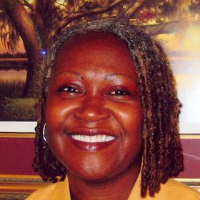
South Carolina · 25 yrs exp
Licensed counselor - Family and parenting focus
Addictions · Relationship · Grief · Self esteem · +9 more
Read profile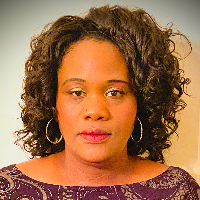
South Carolina · 9 yrs exp
Licensed Professional Counselor - Family and parenting concerns
Stress, Anxiety · Trauma and abuse · Grief · Depression · +16 more
Read profile
South Carolina · 20 yrs exp
LICSW therapist - Family and relationship concerns
Stress, Anxiety · Self esteem · Career · Depression · +11 more
Read profile
South Carolina · 11 yrs exp
Licensed Professional Counselor - Family and parenting focus
Stress, Anxiety · Family · Self esteem · Depression · +16 more
Read profile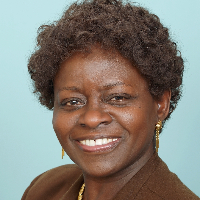
South Carolina · 28 yrs exp
LPC counselor focusing on relationships and parenting
Stress, Anxiety · Addictions · Relationship · Trauma and abuse · +8 more
Read profile
South Carolina · 17 yrs exp
Licensed Professional Counselor - Family and relationship concerns
Stress, Anxiety · Grief · Anger · Self esteem · +8 more
Read profile
South Carolina · 20 yrs exp
Licensed LCSW and LISW - Family and parenting topics
Stress, Anxiety · LGBT · Relationship · Family · +6 more
Read profile
South Carolina · 6 yrs exp
Licensed Professional Counselor - Relationships and Life Transitions
Stress, Anxiety · Relationship · Trauma and abuse · Self esteem · +9 more
Read profile
South Carolina · 6 yrs exp
Licensed counselor - Relationships and family
Stress, Anxiety · Relationship · Family · Intimacy-related issues · +6 more
Read profile
South Carolina · 20 yrs exp
Licensed Independent Social Worker - Family and parenting
Stress, Anxiety · Addictions · Relationship · Trauma and abuse · +15 more
Read profile
South Carolina · 7 yrs exp
Licensed Professional Counselor - Family and Parenting
Stress, Anxiety · Relationship · Family · Anger · +4 more
Read profile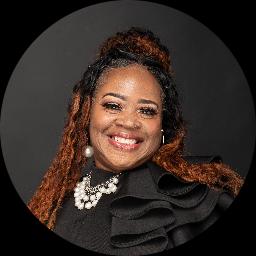
South Carolina · 3 yrs exp
Licensed counselor - Family and relationship concerns
Stress, Anxiety · Relationship · Trauma and abuse · Grief · +4 more
Read profile
South Carolina · 17 yrs exp
Licensed Professional Counselor - Relationships and Parenting
Stress, Anxiety · Relationship · Parenting · Depression · +11 more
Read profile
South Carolina · 8 yrs exp
Licensed Professional Counselor - Relationships and Parenting
Stress, Anxiety · Relationship · Self esteem · Depression · +10 more
Read profile
South Carolina · 24 yrs exp
Licensed social worker - Family and parenting focus
Stress, Anxiety · Relationship · Family · Grief · +8 more
Read profile
South Carolina · 5 yrs exp
Licensed Professional Counselor - Stress and Parenting
Stress, Anxiety · Self esteem · Depression · Coping with life changes · +9 more
Read profile
South Carolina · 10 yrs exp
LCSW in South Carolina - Family and parenting focus
Stress, Anxiety · Addictions · Trauma and abuse · Sleeping · +8 more
Read profile
South Carolina · 10 yrs exp
LMFT helping adults with family and relationship concerns
Stress, Anxiety · Relationship · Family · Trauma and abuse · +2 more
Read profile
South Carolina · 6 yrs exp
LPC in South Carolina - Family and parenting focus
Stress, Anxiety · Family · Trauma and abuse · Anger · +14 more
Read profile
South Carolina · 8 yrs exp
LISW-CP counselor - stress and relationships
Stress, Anxiety · Relationship · Self esteem · Depression · +6 more
Read profile
South Carolina · 21 yrs exp
Licensed Professional Counselor - Stress and Addictions
Stress, Anxiety · Addictions · Depression · Family · +6 more
Read profile
South Carolina · 14 yrs exp
LISW-CP in South Carolina - Family and parenting focus
Stress, Anxiety · Relationship · Trauma and abuse · Self esteem · +3 more
Read profile
South Carolina · 4 yrs exp
LISW-CP in South Carolina - family and parenting concerns
Stress, Anxiety · Grief · Intimacy-related issues · Parenting · +12 more
Read profile
South Carolina · 32 yrs exp
Licensed Professional Counselor - Stress and Parenting
Stress, Anxiety · Trauma and abuse · Parenting · Self esteem · +1 more
Read profile
South Carolina · 3 yrs exp
Licensed social worker - family and parenting concerns
Stress, Anxiety · LGBT · Trauma and abuse · Parenting · +1 more
Read profile
South Carolina · 3 yrs exp
Licensed counselor - family and parenting concerns
Stress, Anxiety · Addictions · Grief · Self esteem · +10 more
Read profile
South Carolina · 9 yrs exp
Licensed Professional Counselor - Family and parenting focus
Stress, Anxiety · Family · Trauma and abuse · Grief · +13 more
Read profile
South Carolina · 24 yrs exp
LPC, LCMHC - family and parenting focus
Stress, Anxiety · Addictions · Family · Parenting · +12 more
Read profile
South Carolina · 16 yrs exp
Licensed Professional Counselor - Family and relationship concerns
Relationship · Family · Trauma and abuse · Grief · +9 more
Read profile
South Carolina · 20 yrs exp
Licensed Professional Counselor - Family and parenting concerns
Stress, Anxiety · LGBT · Relationship · Trauma and abuse · +14 more
Read profile
South Carolina · 12 yrs exp
Licensed Professional Counselor - Relationships and Parenting
Stress, Anxiety · Relationship · Parenting · Depression · +10 more
Read profile
South Carolina · 25 yrs exp
Licensed Professional Counselor - Parenting and Family concerns
Stress, Anxiety · Parenting · Self esteem · Depression · +7 more
Read profile
South Carolina · 25 yrs exp
Licensed social worker - Family and parenting focus
Stress, Anxiety · Grief · Anger · Self esteem · +10 more
Read profile
South Carolina · 17 yrs exp
Licensed Professional Counselor - Family and relationship concerns
Stress, Anxiety · Grief · Anger · Self esteem · +8 more
Read profile
South Carolina · 10 yrs exp
Licensed Professional Counselor - Relationships and Parenting
Stress, Anxiety · Relationship · Parenting · Self esteem · +13 more
Read profile
South Carolina · 20 yrs exp
LMFT focusing on family and relationship concerns
Stress, Anxiety · LGBT · Relationship · Family · +15 more
Read profile
South Carolina · 17 yrs exp
Dr. Damien Johnson - LPC LCMHC, family and parenting concerns
Stress, Anxiety · Addictions · Relationship · Trauma and abuse · +10 more
Read profile
South Carolina · 10 yrs exp
Licensed Professional Counselor - Family and relationship support
Stress, Anxiety · Relationship · Grief · Self esteem · +8 more
Read profile
South Carolina · 8 yrs exp
Licensed Professional Counselor - Family and relationship concerns
Stress, Anxiety · Relationship · Depression · Coping with life changes · +7 more
Read profile
South Carolina · 13 yrs exp
Licensed Professional Counselor - Family and parenting issues
Stress, Anxiety · Family · Anger · Self esteem · +10 more
Read profile
South Carolina · 9 yrs exp
Licensed social worker - Family and parenting concerns
Stress, Anxiety · Relationship · Family · Parenting · +9 more
Read profile
South Carolina · 7 yrs exp
Licensed social worker - family and parenting
Stress, Anxiety · Relationship · Grief · Depression · +12 more
Read profile
South Carolina · 10 yrs exp
LPC focused on relationships and parenting
Stress, Anxiety · Relationship · Family · Grief · +10 more
Read profile
South Carolina · 11 yrs exp
Licensed Professional Counselor - Family and parenting focus
Stress, Anxiety · Relationship · Self esteem · Depression · +9 more
Read profile
South Carolina · 21 yrs exp
Licensed counselor - Family and parenting focus
Stress, Anxiety · Trauma and abuse · Self esteem · Depression · +12 more
Read profile
South Carolina · 8 yrs exp
Licensed social worker - Family and parenting focus
Stress, Anxiety · Relationship · Family · Depression · +6 more
Read profile
South Carolina · 10 yrs exp
Licensed counselor - family and parenting focus
Stress, Anxiety · Relationship · Trauma and abuse · Self esteem · +16 more
Read profile
South Carolina · 8 yrs exp
LPC in South Carolina - Relationships and Family
Stress, Anxiety · Relationship · Family · Coping with life changes · +11 more
Read profile
South Carolina · 9 yrs exp
Licensed Professional Counselor - Family and parenting focus
Trauma and abuse · Anger · Self esteem · Coping with life changes · +8 more
Read profile
South Carolina · 20 yrs exp
Licensed Professional Counselor - Family and parenting
Stress, Anxiety · Relationship · Trauma and abuse · Sleeping · +13 more
Read profileWhen you look for help focused on family relationships or parenting you are often trying to address patterns that affect day to day life. You may be dealing with ongoing conflict with a partner, parenting stress that drains your energy, the complicated dynamics of a blended family, disputes with adult children, or decisions about supporting aging parents. These are common reasons adults seek guidance, and therapists listed in this directory indicate that they work with individual adults on these topics. That means you should plan to talk with a therapist about the specific people and roles you want to focus on, because a listing that mentions family or parenting does not automatically mean the person treats couples, runs sessions with multiple family members, or works with children unless that is explicitly stated on their profile.
If you are worried that a child or an adult is in immediate danger, call local emergency services or emergency hotlines right away. If you are unsure where to call in South Carolina, contact local emergency numbers or your preferred crisis line for immediate help before contacting a therapist. Therapy and coaching conversations are intended to support coping and planning, not to replace urgent intervention when someone is unsafe.
Profiles on this page are grouped under the listed location South Carolina. That grouping does not guarantee that a therapist maintains an office there, lives there, or is authorized to practice there. You should review each profile for details and then confirm directly whether the clinician is permitted to work with you where you live. Permission to practice varies by country and jurisdiction. In the United States that permission commonly appears as state licensure; in the United Kingdom or Australia a clinician may reference professional registration or membership with a recognized body. Academic degrees such as PhD, PsyD, MD, MA or MSW identify educational achievement but do not by themselves confirm current permission to practice in any location.
When you read a profile, look for clear language about whether the clinician provides care in a given state or country and whether they work with individual adults on family and parenting concerns. If a profile lists a treatment approach, it means the clinician has included that approach among their professional interests; it does not prove a particular credential or specialization. If knowing the legal or regulatory standing matters to you, ask the clinician or their administrative contact where they are authorized to provide services and under what conditions they can work with residents of South Carolina or other jurisdictions you might be in.
Before you contact a clinician, think about the practical and clinical questions that will help you compare profiles. You can ask how a clinician typically works with individuals who are dealing with parenting stress, blended family transitions, or conflict with adult children. Ask whether they generally focus on problem-solving, communication skills, emotional processing, or long-term pattern change, and request examples of how they structure sessions so you understand the pace and focus. If a profile mentions specific approaches, you can say something like "I saw you list EMDR among your approaches - can you describe how you might adapt that when working with a parent managing trauma-related stress?" This phrasing treats the profile entry as a starting point for conversation rather than proof of specialized certification.
Also ask concrete questions about the population they serve and their experience: Do they primarily work with individual adults rather than couples or children? Have they worked with families in blended or multigenerational situations similar to yours? Which age groups do they typically support when parenting is the primary concern? These specifics will help you assess whether a therapist's experience aligns with what you need. Remember that profiles reflect self-reported information, so direct conversation is the best way to confirm scope and fit.
If you are considering remote sessions, discuss jurisdictional limits and logistics before beginning. Ask whether the clinician is permitted to provide care to people in South Carolina specifically or to other states or countries you might be in. Clarify what platform or technology they use, what steps they take to protect your privacy and the session connection, and how they handle clinical emergencies when you are not in the same locality. You should understand what to do if a crisis occurs during a session, including who you should contact locally for immediate help.
Talk about practical matters that affect how comfortable you will feel. Ask how they manage scheduling, what their expected session length is, and how they approach information-sharing boundaries and record keeping. If you need accommodations for hearing, vision, language, or mobility, mention those needs so you can evaluate whether the clinician can meet them. If you plan to include other family members in later conversations, check whether the clinician works with multiple participants and under what conditions, because many profiles in this directory reflect clinicians who support individual adults rather than running multi-person family sessions.
When you compare profiles, look for clear, concrete markers that speak to style and fit. Focus areas tell you what topics a clinician often lists, such as parenting stress, family dynamics, aging parent concerns, or blended family transitions. Languages spoken are important if you prefer to speak in a language other than English or want cultural context reflected in conversations. Credentials and degrees provide background - a PhD or PsyD signals a doctoral-level education in psychology or a related field, while an MA or MSW indicates graduate study in counseling or social work - but remember that degrees are not the same as permission to practice in a given place. Where relevant, note whether the profile refers to licensure, registration, or membership with a professional organization and use that as a prompt to ask follow-up questions.
Style and interpersonal fit matter as much as technical labels. Read profile descriptions for language about whether a clinician emphasizes problem-focused strategies, exploratory work, skills coaching, or practical planning. If a profile mentions working with parents in high-stress or caregiving roles, ask for examples of the kinds of conversations and homework they typically suggest. Consider whether you want a clinician who emphasizes short-term strategies you can use in daily life or someone who focuses on longer-term patterns. Use direct questions to clarify any uncertainty and to decide which profiles merit a conversation.
Use the directory to narrow your search by the listed location South Carolina, then read profiles closely and reach out with targeted questions. Confirm where a clinician is permitted to work, discuss whether they generally work with individual adults on family and parenting topics, and make sure you understand their approach and practical arrangements. Thoughtful questions will help you find a clinician whose focus areas, language skills, credentials, and therapeutic style match the kind of support you are seeking.
ADHD
5093 therapists
Anger
6665 therapists
Control Issues
5020 therapists
Depression
8168 therapists
Domestic Violence
3579 therapists
Grief
7314 therapists
Guilt and Shame
6692 therapists
Intimacy Issues
5425 therapists
Isolation / Loneliness
6371 therapists
Midlife Crisis
4715 therapists
Panic Disorder and Panic Attacks
4979 therapists
Postpartum Depression
3147 therapists
Self Esteem
8202 therapists
Stress & Anxiety
8703 therapists
Trauma and Abuse
7482 therapists
Abandonment
4885 therapists
Aging and Geriatric Issues
3237 therapists
Attachment Issues
5173 therapists
Blended Family Issues
4188 therapists
Caregiver Issues and Stress
5297 therapists
Codependency
4815 therapists
Commitment Issues
4092 therapists
Communication Problems
7154 therapists
Compassion Fatigue
5325 therapists
Coping with Life Changes
7978 therapists
Divorce
5713 therapists
Family
8273 therapists
Family of Origin Issues
3915 therapists
Forgiveness
6237 therapists
Infidelity
3873 therapists
Money and Financial Issues
3193 therapists
Parenting
7005 therapists
Relationship
8113 therapists
Workplace Issues
5603 therapists