
Jennifer Enders
LPC, LMHCArizona · 23 yrs exp
LPC and LMHC - anxiety and parenting support
Stress, Anxiety · Self esteem · Depression · Coping with life changes · +16 more
Read profileTherapist listings are provided by BetterHelp. We will earn a commission at no additional cost to you if you use our links to purchase.
Compare focus areas, therapeutic approaches, credentials and languages among professionals listed in the Arizona section. Browse profiles to review each clinician's background and reach out to ask whether they can work with you where you live.
Arizona · 23 yrs exp
LPC and LMHC - anxiety and parenting support
Stress, Anxiety · Self esteem · Depression · Coping with life changes · +16 more
Read profile
Arizona · 30 yrs exp
Licensed counselor - Family and parenting support
Stress, Anxiety · Trauma and abuse · Self esteem · Career · +11 more
Read profile
Arizona · 40 yrs exp
LCSW - Relationship and family concerns
Stress, Anxiety · LGBT · Relationship · Grief · +10 more
Read profile
Arizona · 10 yrs exp
LCSW - Stress and family-related concerns
Stress, Anxiety · Self esteem · Bipolar · Depression · +10 more
Read profile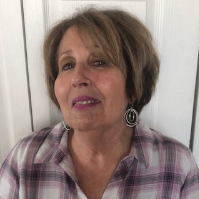
Arizona · 25 yrs exp
Licensed Professional Counselor - Relationships and Addictions
Stress, Anxiety · Addictions · Relationship · Trauma and abuse · +11 more
Read profile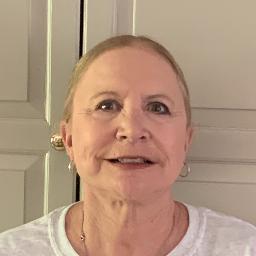
Arizona · 10 yrs exp
LMHC and LPC - Stress and Parenting
Stress, Anxiety · Addictions · Relationship · Self esteem · +14 more
Read profile
Arizona · 11 yrs exp
Licensed Clinical Social Worker - Parenting and stress
Stress, Anxiety · Grief · Parenting · Self esteem · +7 more
Read profile
Arizona · 10 yrs exp
Licensed Professional Counselor - Family and parenting
Stress, Anxiety · Trauma and abuse · Grief · Self esteem · +12 more
Read profile
Arizona · 40 yrs exp
LPC in Arizona - family and parenting related concerns
Addictions · Trauma and abuse · Self esteem · Career · +15 more
Read profile
Arizona · 10 yrs exp
Arizona psychologist - family and parenting focus
Stress, Anxiety · Self esteem · Career · Coping with life changes · +14 more
Read profile
Arizona · 20 yrs exp
LPC in Arizona - family and parenting concerns
Stress, Anxiety · Addictions · Relationship · Family · +16 more
Read profile
Arizona · 8 yrs exp
Licensed Professional Counselor - Family and parenting issues
Stress, Anxiety · Trauma and abuse · Parenting · Self esteem · +13 more
Read profile
Arizona · 20 yrs exp
Licensed Professional Counselor - Family and parenting focus
Stress, Anxiety · Trauma and abuse · Grief · Depression · +9 more
Read profile
Arizona · 15 yrs exp
LCSW in Arizona - Family and parenting concerns
Stress, Anxiety · Grief · Self esteem · Depression · +12 more
Read profile
Arizona · 9 yrs exp
Arizona LPC - Family and parenting concerns
Stress, Anxiety · Addictions · Relationship · Trauma and abuse · +11 more
Read profile
Arizona · 8 yrs exp
Licensed Professional Counselor - Family and parenting focus
Stress, Anxiety · Trauma and abuse · Anger · Bipolar · +10 more
Read profile
Arizona · 30 yrs exp
Licensed Professional Counselor - Family and stress concerns
Stress, Anxiety · Addictions · Family · Grief · +12 more
Read profile
Arizona · 10 yrs exp
LCSW - Relationships and family concerns
Stress, Anxiety · Addictions · Trauma and abuse · Self esteem · +10 more
Read profile
Arizona · 19 yrs exp
LPC in Arizona - Family and parenting concerns
Stress, Anxiety · Addictions · LGBT · Relationship · +8 more
Read profile
Arizona · 7 yrs exp
Licensed Professional Counselor - Family and parenting concerns
Stress, Anxiety · Grief · Bipolar · Depression · +12 more
Read profile
Arizona · 17 yrs exp
Licensed counselor - family and relationship concerns
Stress, Anxiety · Relationship · Family · Anger · +14 more
Read profile
Arizona · 15 yrs exp
LPC counselor - Family and parenting focus
Stress, Anxiety · Addictions · Trauma and abuse · LGBT · +6 more
Read profile
Arizona · 26 yrs exp
Licensed counselor - family and parenting concerns
Stress, Anxiety · Grief · Self esteem · Career · +8 more
Read profile
Arizona · 13 yrs exp
Licensed Professional Counselor - Family and parenting
Stress, Anxiety · Trauma and abuse · Grief · Depression · +6 more
Read profile
Arizona · 25 yrs exp
Licensed counselor for parenting and mood concerns
Stress, Anxiety · Trauma and abuse · Parenting · Bipolar · +10 more
Read profile
Arizona · 20 yrs exp
LPC counselor - stress and parenting support
Stress, Anxiety · Relationship · Self esteem · Depression · +13 more
Read profile
Arizona · 21 yrs exp
LMHC LPC - Family and parenting concerns
Stress, Anxiety · Relationship · Trauma and abuse · Grief · +13 more
Read profile
Arizona · 13 yrs exp
Licensed Marriage and Family Therapist - Family and parenting focus
Stress, Anxiety · Relationship · Grief · Self esteem · +10 more
Read profile
Arizona · 20 yrs exp
Dr. Kimberly Carroll - Psychologist, family and parenting concerns
Stress, Anxiety · Addictions · Grief · Self esteem · +14 more
Read profile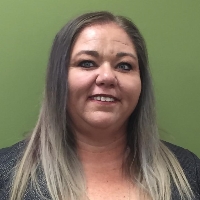
Arizona · 16 yrs exp
Licensed Professional Counselor - Family and parenting
Stress, Anxiety · Addictions · Relationship · Self esteem · +10 more
Read profile
Arizona · 10 yrs exp
LMFT focusing on relationships and parenting
Stress, Anxiety · Relationship · Family · Trauma and abuse · +11 more
Read profile
Arizona · 8 yrs exp
Licensed Professional Counselor - Family and parenting focus
Stress, Anxiety · Family · Trauma and abuse · Self esteem · +8 more
Read profile
Arizona · 22 yrs exp
Licensed Professional Counselor - family and parenting concerns
Stress, Anxiety · Relationship · Family · Grief · +16 more
Read profile
Arizona · 10 yrs exp
Licensed counselor - Family and parenting concerns
Stress, Anxiety · Relationship · Anger · Depression · +15 more
Read profile
Arizona · 25 yrs exp
Licensed counselor - Family and parenting concerns
Stress, Anxiety · Grief · Self esteem · Depression · +12 more
Read profile
Arizona · 14 yrs exp
LCSW - Family and parenting focus
Trauma and abuse · Grief · Anger · Depression · +9 more
Read profile
Arizona · 10 yrs exp
Licensed Professional Counselor - Family and parenting focus
Stress, Anxiety · Family · Self esteem · Depression · +10 more
Read profile
Arizona · 26 yrs exp
LCSW - Stress and family related concerns
Stress, Anxiety · Trauma and abuse · Grief · Self esteem · +12 more
Read profile
Arizona · 13 yrs exp
LCSW - Stress and family concerns
Stress, Anxiety · Relationship · Trauma and abuse · Depression · +12 more
Read profile
Arizona · 16 yrs exp
Arizona LPC - Parenting and Family concerns
Stress, Anxiety · Parenting · Self esteem · Depression · +14 more
Read profile
Arizona · 10 yrs exp
LCSW - Stress and Parenting support
Stress, Anxiety · Trauma and abuse · Self esteem · Depression · +7 more
Read profile
Arizona · 18 yrs exp
Dr. Logan Sage Croft LPC - Family and relationship concerns
LGBT · Family · Trauma and abuse · Grief · +13 more
Read profile
Arizona · 16 yrs exp
LMFT in Arizona - relationships and parenting focused
Stress, Anxiety · Addictions · Relationship · Trauma and abuse · +16 more
Read profile
Arizona · 14 yrs exp
LMFT focused on family and individual concerns
Stress, Anxiety · Family · Grief · Intimacy-related issues · +11 more
Read profile
Arizona · 28 yrs exp
LMFT and LPC - Relationships and Trauma
Relationship · Trauma and abuse · Intimacy-related issues · Anger · +8 more
Read profile
Arizona · 11 yrs exp
LPC in Arizona - Family and parenting concerns
Stress, Anxiety · Addictions · Trauma and abuse · Grief · +12 more
Read profile
Arizona · 20 yrs exp
LCSW - Addictions and Family concerns
Stress, Anxiety · Addictions · Trauma and abuse · Self esteem · +16 more
Read profile
Arizona · 12 yrs exp
LPC counselor - Parenting and family concerns
Stress, Anxiety · Parenting · Self esteem · Depression · +8 more
Read profile
Arizona · 6 yrs exp
Licensed Professional Counselor - Stress and relationship concerns
Stress, Anxiety · Relationship · Grief · Coping with life changes · +11 more
Read profile
Arizona · 10 yrs exp
Licensed Professional Counselor - Family and Relationship concerns
Stress, Anxiety · Addictions · Grief · Depression · +10 more
Read profile
Arizona · 22 yrs exp
Dr. David Engstrom - Psychologist focused on family and parenting concerns
Stress, Anxiety · Addictions · Trauma and abuse · Sleeping · +11 more
Read profile
Arizona · 25 yrs exp
LPC counselor - stress and relationships
Stress, Anxiety · Addictions · LGBT · Relationship · +12 more
Read profile
Arizona · 20 yrs exp
Psychologist - Family and parenting focus
Stress, Anxiety · Relationship · Family · Trauma and abuse · +12 more
Read profile
Arizona · 30 yrs exp
LPC and LMFT - family and relationship concerns
Addictions · Relationship · Family · Trauma and abuse · +2 more
Read profile
Arizona · 25 yrs exp
Licensed social worker - family and parenting concerns
Stress, Anxiety · Trauma and abuse · Grief · Bipolar · +14 more
Read profile
Arizona · 26 yrs exp
LCSW - Relationships and parenting support
Relationship · Intimacy-related issues · Self esteem · Career · +10 more
Read profile
Arizona · 30 yrs exp
LCSW - Stress and family related concerns
Stress, Anxiety · Grief · Coping with life changes · Compassion fatigue · +8 more
Read profile
Arizona · 40 yrs exp
LCSW - relationships and family concerns
Stress, Anxiety · Relationship · Family · Grief · +1 more
Read profile
Arizona · 26 yrs exp
LPCC LPC - Family and relationship concerns
Stress, Anxiety · Family · Career · Depression · +12 more
Read profile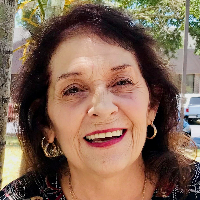
Arizona · 14 yrs exp
LCSW - stress and parenting concerns
Stress, Anxiety · Addictions · Trauma and abuse · Grief · +15 more
Read profileWhen family life feels strained you may be looking for support with parenting stress, conflicts with adult children, care decisions for aging parents, or tension in blended households. You might be sorting through feelings of guilt, overwhelm, burnout or ongoing patterns that affect how you show up with loved ones. Thinking in terms of the specific situations and goals you have will help you compare profiles more directly. For example, are you seeking help with managing a teen's behavior, repairing communication with a grown child, navigating step-parenting roles, or coping with caregiver stress for an elder relative? You can use those concrete descriptions when you read a profile or reach out to a clinician.
If any child or adult is actively at risk of harm, call local emergency services or your region's crisis line right away rather than relying on directory listings. If you are unsure how to get immediate help, local law enforcement or emergency medical services can connect you to urgent resources.
The Arizona grouping on this site brings together profiles that include Arizona as a listed location. A listed location on a profile does not confirm an office address, physical proximity, or permission to practice with every resident of Arizona. Check the individual profile and ask a clinician to confirm whether they are permitted to work with you where you live before scheduling sessions. That step is especially important if you are seeking remote or cross-state care.
Credentials on profiles include academic degrees and professional permissions, and those are distinct things. Academic degrees such as PhD, PsyD, MD, MA and MSW describe the level and type of formal education a person has completed. Professional permission to practice varies by country. In the United States, that permission commonly appears as a state license - examples include designations like LCSW, LPC, LMFT or psychologist licensure. In the United Kingdom, clinicians may list registration or membership with national professional bodies, and in Australia you may see references to registration or membership with national registers or associations. A degree alone does not indicate current permission to practice, and membership in a professional body is not the same as a state or national authorization to provide care. When reviewing a profile, ask the clinician what credential authorizes them to work with you in your location and whether that authorization is current.
Profiles often note focus areas and therapeutic approaches, but those listings do not guarantee a specific outcome or the same methods across clinicians. To get clearer insight, ask direct questions about how a clinician typically works with individual clients who have family or parenting concerns. For example, you might ask: Which approaches do you most often use with parents under stress? Have you worked with blended families or with adult children managing care of aging parents? How do you support a parent coping with chronic frustration or grief? Can you describe a recent case, without personal details, that is similar to mine and how you approached it? You can also ask which populations the clinician works with most - some profiles may indicate a focus on adults dealing with family relationships rather than offering therapy for children or couples.
When an approach is listed you can frame questions like this: I see you list CBT, attachment-informed work, or EMDR among your approaches - how do you adapt those tools for someone focused on parenting stress or intergenerational conflict? That phrasing makes clear you are asking how the clinician applies an approach to your situation rather than assuming they hold a specific certification.
If you are considering remote sessions, it is important to confirm practical and safety-related details up front. Ask whether the clinician is authorized to provide care to residents of your state or country and what their policy is for cross-jurisdictional work. Clarify how they handle situations when someone becomes unsafe between sessions, including what emergency resources they can provide in your area. You should ask how session notes and records are handled and what to expect about appointment length and communication outside sessions.
Other helpful questions before you begin include asking about the technology or platform they use and whether it is appropriate if you plan to include other family members in parts of your work, and what steps they take to protect your information during online interactions. For parents, it is reasonable to ask how the clinician involves caregivers when working on issues that touch children, what age ranges they have experience with, and whether they work only with individuals or also with family systems if that is something you want to explore. Always confirm whether the clinician treats individuals with family and parenting concerns rather than assuming that a listed topic means they offer family or couples sessions.
As you move from one profile to another, compare concrete elements that matter for your situation. Read how the clinician describes their primary focus areas and whether those descriptions specifically mention parenting stress, blended family dynamics, adult children issues, or elder care. Check which approaches they list and consider which feel most likely to address your concerns - some people prefer a problem-solving approach, others want a reflective process that emphasizes family patterns. Look at degrees and professional permissions separately - a PhD or MSW tells you about training, while a listed state license or national registration indicates what they are authorized to do in a given place. If language matters to you, see which languages are listed and ask the clinician about how language shapes the work in practice.
Pay attention to how clinicians describe their therapeutic style. Some profiles emphasize practical skills and short-term problem solving, while others emphasize exploring family history and patterns. Those descriptions can help you decide which clinicians to contact. When you reach out, use the specific comparison questions you've developed - for example, How would you help me if my main concern is co-parenting conflict after divorce? or Can you describe how you work with adult children and aging parents navigating care decisions? These focused questions will give you clearer information than general inquiries. Remember to confirm that the clinician can work with you where you live and that they focus on individual clients with family and parenting issues unless their profile explicitly states otherwise.
ADHD
5093 therapists
Anger
6665 therapists
Control Issues
5020 therapists
Depression
8168 therapists
Domestic Violence
3579 therapists
Grief
7314 therapists
Guilt and Shame
6692 therapists
Intimacy Issues
5425 therapists
Isolation / Loneliness
6371 therapists
Midlife Crisis
4715 therapists
Panic Disorder and Panic Attacks
4979 therapists
Postpartum Depression
3147 therapists
Self Esteem
8202 therapists
Stress & Anxiety
8703 therapists
Trauma and Abuse
7482 therapists
Abandonment
4885 therapists
Aging and Geriatric Issues
3237 therapists
Attachment Issues
5173 therapists
Blended Family Issues
4188 therapists
Caregiver Issues and Stress
5297 therapists
Codependency
4815 therapists
Commitment Issues
4092 therapists
Communication Problems
7154 therapists
Compassion Fatigue
5325 therapists
Coping with Life Changes
7978 therapists
Divorce
5713 therapists
Family
8273 therapists
Family of Origin Issues
3915 therapists
Forgiveness
6237 therapists
Infidelity
3873 therapists
Money and Financial Issues
3193 therapists
Parenting
7005 therapists
Relationship
8113 therapists
Workplace Issues
5603 therapists