
Dr. Daniella Jackson
LMHCFlorida · 20 yrs exp
Dr. Daniella Jackson, LMHC - Addiction and family impact care
Stress, Anxiety · Addictions · Relationship · Self esteem · +16 more
Read profileTherapist listings are provided by BetterHelp. We will earn a commission at no additional cost to you if you use our links to purchase.
Browse profiles of Florida practitioners who list family relationships and parenting among their areas of focus. Compare listed location, credentials, languages, approaches and experience, and open each profile to confirm permission to work together where you live.
Florida · 20 yrs exp
Dr. Daniella Jackson, LMHC - Addiction and family impact care
Stress, Anxiety · Addictions · Relationship · Self esteem · +16 more
Read profile
Florida · 39 yrs exp
LMHC - Relationships and Parenting
Stress, Anxiety · Relationship · Family · Parenting · +14 more
Read profile
Florida · 25 yrs exp
Licensed Mental Health Counselor - Relationships and Trauma
Relationship · Trauma and abuse · Grief · Anger · +12 more
Read profile
Florida · 12 yrs exp
Licensed Mental Health Counselor - Family and Parenting concerns
Stress, Anxiety · Parenting · Self esteem · Depression · +11 more
Read profile
Florida · 25 yrs exp
LMHC - Family and parenting concerns
Stress, Anxiety · Family · Grief · Self esteem · +12 more
Read profile
Florida · 26 yrs exp
LMHC - Relationship and parenting concerns
Relationship · Grief · Self esteem · Depression · +13 more
Read profile
Florida · 12 yrs exp
LMHC - Stress and family related concerns
Stress, Anxiety · Relationship · Intimacy-related issues · Depression · +8 more
Read profile
Florida · 17 yrs exp
Stress, Anxiety · Addictions · Relationship · Family · +14 more
Read profile
Florida · 13 yrs exp
Licensed counselor - Family and parenting focus
Stress, Anxiety · Anger · Depression · Coping with life changes · +13 more
Read profile
Florida · 12 yrs exp
LMFT - relationships and family concerns
Stress, Anxiety · Addictions · Relationship · Family · +15 more
Read profile
Florida · 30 yrs exp
Florida psychologist - family and parenting concerns
Stress, Anxiety · Grief · Anger · Depression · +15 more
Read profile
Florida · 10 yrs exp
LMHC in Florida - Family and parenting focus
Stress, Anxiety · Family · Parenting · Self esteem · +10 more
Read profile
Florida · 20 yrs exp
LMHC - Stress and family concerns
Stress, Anxiety · Grief · Self esteem · Depression · +9 more
Read profile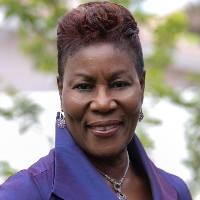
Florida · 21 yrs exp
LMHC in Florida - Addictions and Relationships
Addictions · Relationship · Family · Self esteem · +2 more
Read profile
Florida · 16 yrs exp
Dr. Carol Parham, LMHC - Family and parenting focus
Stress, Anxiety · Trauma and abuse · Self esteem · Depression · +6 more
Read profile
Florida · 20 yrs exp
LCSW in Florida - Stress and family concerns
Stress, Anxiety · Addictions · Trauma and abuse · Grief · +14 more
Read profile
Florida · 15 yrs exp
LMHC - Relationships and Family concerns
Stress, Anxiety · Relationship · Family · Intimacy-related issues · +15 more
Read profile
Florida · 28 yrs exp
LCSW in Florida - family and parenting concerns
Stress, Anxiety · Addictions · Trauma and abuse · Self esteem · +13 more
Read profile
Florida · 25 yrs exp
LMHC in Florida - Stress and family concerns
Stress, Anxiety · Relationship · Trauma and abuse · Self esteem · +2 more
Read profile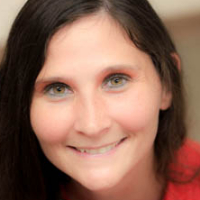
Florida · 18 yrs exp
LMHC - family and parenting concerns
Stress, Anxiety · Parenting · Anger · Self esteem · +13 more
Read profile
Florida · 20 yrs exp
LCSW - Stress and family concerns
Stress, Anxiety · Trauma and abuse · Grief · Career · +15 more
Read profile
Florida · 35 yrs exp
LMHC in Florida - Family and parenting concerns
Stress, Anxiety · Family · Grief · Eating · +16 more
Read profile
Florida · 20 yrs exp
LCSW - Stress and Family concerns
Stress, Anxiety · Relationship · Family · Trauma and abuse · +16 more
Read profile
Florida · 19 yrs exp
LCSW in Florida - Family and relationship concerns
Stress, Anxiety · Trauma and abuse · Grief · Depression · +9 more
Read profile
Florida · 34 yrs exp
LMHC in Florida - Family and relationship work
Stress, Anxiety · Relationship · Trauma and abuse · Grief · +9 more
Read profile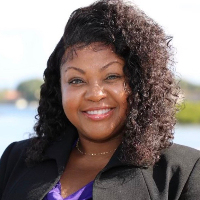
Florida · 9 yrs exp
Florida LMHC - family and parenting concerns
Stress, Anxiety · Family · Parenting · Anger · +11 more
Read profile
Florida · 16 yrs exp
Dr. Amary Alcide, LCSW - Relationships and Parenting
Stress, Anxiety · Relationship · Parenting · Self esteem · +8 more
Read profile
Florida · 37 yrs exp
LCSW - Addiction and family concerns
Addictions · LGBT · Trauma and abuse · Grief · +12 more
Read profile
Florida · 16 yrs exp
Licensed clinical social worker - Family and parenting concerns
Stress, Anxiety · Trauma and abuse · Grief · Self esteem · +10 more
Read profile
Florida · 16 yrs exp
Licensed Clinical Social Worker - Family and Parenting
Grief · Coping with life changes · Stress, Anxiety · Relationship · +12 more
Read profile
Florida · 20 yrs exp
LMHC in Florida - Family and parenting concerns
Stress, Anxiety · Addictions · Relationship · Intimacy-related issues · +14 more
Read profile
Florida · 9 yrs exp
Licensed Mental Health Counselor - Anxiety and Parenting
Stress, Anxiety · Trauma and abuse · Parenting · Depression · +10 more
Read profile
Florida · 21 yrs exp
Licensed Mental Health Counselor - family and parenting concerns
Stress, Anxiety · Depression · Coping with life changes · ADHD · +12 more
Read profile
Florida · 10 yrs exp
LMHC focusing on relationships and parenting
Stress, Anxiety · Addictions · Relationship · Anger · +7 more
Read profile
Florida · 35 yrs exp
LCSW - Family and parenting concerns
Stress, Anxiety · Family · Self esteem · Depression · +5 more
Read profile
Florida · 10 yrs exp
Licensed Mental Health Counselor - Family and parenting focus
Stress, Anxiety · Addictions · Anger · Bipolar · +11 more
Read profile
Florida · 30 yrs exp
LMHC in Florida - Family and parenting concerns
Stress, Anxiety · Family · Trauma and abuse · Parenting · +14 more
Read profile
Florida · 4 yrs exp
LCSW - Family and parenting support
Stress, Anxiety · Parenting · Anger · Addictions · +16 more
Read profile
Florida · 40 yrs exp
Licensed Clinical Social Worker - Family and relationship concerns
Stress, Anxiety · Relationship · Family · Trauma and abuse · +8 more
Read profile
Florida · 30 yrs exp
LCSW focused on family and parenting related concerns
Stress, Anxiety · Trauma and abuse · Self esteem · Depression · +11 more
Read profile
Florida · 25 yrs exp
LMHC - Relationships and Parenting
Stress, Anxiety · Relationship · Family · Self esteem · +13 more
Read profile
Florida · 42 yrs exp
LCSW - Stress and relationship support
Stress, Anxiety · Addictions · Relationship · Trauma and abuse · +15 more
Read profile
Florida · 22 yrs exp
LPC and LMHC - relationship and trauma focus
Stress, Anxiety · Relationship · Family · Trauma and abuse · +10 more
Read profile
Florida · 11 yrs exp
Dr. Mary Torok, LMHC - Mental health and family concerns
Stress, Anxiety · Family · Trauma and abuse · Self esteem · +13 more
Read profile
Florida · 21 yrs exp
LCSW - Relationships and family concerns
Stress, Anxiety · Relationship · Family · Eating · +16 more
Read profile
Florida · 8 yrs exp
Florida LMHC - Family and parenting concerns
Stress, Anxiety · Addictions · Trauma and abuse · Parenting · +14 more
Read profile
Florida · 20 yrs exp
LCSW - stress and family concerns
Stress, Anxiety · Addictions · Relationship · Trauma and abuse · +6 more
Read profile
Florida · 40 yrs exp
Dr. Virginia Clark, LCSW - Stress and addiction concerns
Stress, Anxiety · Addictions · Trauma and abuse · Grief · +16 more
Read profile
Florida · 9 yrs exp
Licensed Mental Health Counselor - Family and relationship concerns
Stress, Anxiety · Self esteem · Depression · Coping with life changes · +11 more
Read profile
Florida · 8 yrs exp
Licensed Mental Health Counselor - Family and Parenting
Stress, Anxiety · Family · Parenting · Self esteem · +1 more
Read profile
Florida · 6 yrs exp
LCSW - Stress and parenting support
Stress, Anxiety · Family · Trauma and abuse · Grief · +13 more
Read profile
Florida · 30 yrs exp
FL LMHC - Relationships and Family concerns
Stress, Anxiety · Relationship · Family · Self esteem · +15 more
Read profile
Florida · 14 yrs exp
LMFT - Relationship and family concerns
Relationship · Family · Trauma and abuse · Self esteem · +8 more
Read profile
Florida · 24 yrs exp
Licensed counselor for stress and family concerns
Stress, Anxiety · Grief · Depression · Coping with life changes · +13 more
Read profile
Florida · 25 yrs exp
LCSW - Stress and parenting support
Stress, Anxiety · Grief · Sleeping · Self esteem · +15 more
Read profile
Florida · 30 yrs exp
Dr. Oren Hernández - LMHC, LMFT, family and relationship concerns
Stress, Anxiety · Addictions · Trauma and abuse · Grief · +14 more
Read profile
Florida · 11 yrs exp
Licensed Mental Health Counselor - Addictions and Stress
Stress, Anxiety · Addictions · Depression · LGBT · +11 more
Read profile
Florida · 7 yrs exp
LMHC in Florida - anxiety and depression focused
Stress, Anxiety · Addictions · Relationship · Trauma and abuse · +15 more
Read profile
Florida · 15 yrs exp
Licensed Clinical Social Worker - Family and parenting issues
Stress, Anxiety · Relationship · Family · Trauma and abuse · +8 more
Read profile
Florida · 26 yrs exp
LMFT - Family and parenting focused
Stress, Anxiety · Relationship · Family · Parenting · +9 more
Read profileWhen you begin looking for a therapist, it helps to name the priorities that bring you here. You might be managing parenting stress, negotiating boundaries with adult children, adjusting to a blended family, caring for aging parents, or handling conflict with relatives. Therapists in this directory list family relationships or parenting among their focuses, and many work with individuals to explore how family dynamics affect your daily life and choices. Before you contact anyone, think about the specific situations you want to discuss - recent conflicts, recurring patterns, behavioral concerns with a child, caregiver strain, cultural or religious expectations, or legal and school-related questions. Having a clear sense of the problem helps you review profiles with an eye for relevant experience and stated interests.
Remember that a profile listing family or parenting does not necessarily mean the practitioner sees children, runs family sessions, or handles all related matters. These profiles describe areas the therapist highlights; you should read each profile carefully and ask directly about scope of practice. If you have urgent safety concerns for a child or adult, call 911 or your local emergency number right away and seek immediate help from local crisis services rather than waiting to connect with a therapist.
The listed location on a profile indicates the place the practitioner has chosen to show in the directory, but it is not definitive proof of an office address, physical proximity, or current permission to practice in every jurisdiction. Use the profile to learn where a therapist says they are based and then contact them to confirm whether they are permitted to work with clients in your area. Laws and regulations vary by country and state, so confirmation is important.
Academic degrees are different from professional permission to practice. Degrees such as PhD, PsyD, MD, MA, and MSW describe a level of education but do not, by themselves, guarantee that someone is authorized to provide clinical services in your location. In the United States, look for a state license that allows clinical practice, often identified by acronyms such as LCSW, LMFT, LPC, or similar titles depending on the state. In the United Kingdom, a therapist may note registration with a UK regulatory body or membership in a national association. In Australia, registration with the national regulator or membership in a professional body may be listed. Each of these indicators helps you understand professional standing, but you should ask the practitioner to describe their current permission to work with clients where you live before you make any decisions.
When you open a profile, you can prepare a short list of direct questions to learn whether the therapist is a good fit for your needs. Ask about their experience with the specific stage of parenting or family situation you face - for example, working with new parents, parents of teenagers, caregivers of aging relatives, or people in blended family arrangements. Inquire how they typically work with individuals who bring family concerns, since many therapists who list family or parenting focus do so in the context of individual work rather than couples or family sessions. Ask how they coordinate with other professionals when needed, such as pediatricians, school counselors, or eldercare services.
Discuss approach in neutral terms by naming options you have heard of and inviting clarification. You might say - I notice you list solution-focused approaches, emotion-focused work, or therapists who list EMDR among their approaches - how do those ideas shape your work with someone dealing with parenting stress or conflict with adult children? Phrase questions to find out what a typical early session addresses, how they help clients set goals, and how they track progress. Avoid assuming that a listed approach guarantees a specific outcome - instead, ask how that approach may be applied to the concerns you bring.
If you are considering remote or online care, there are practical topics worth discussing before you begin. Ask where the practitioner is authorized to provide services and confirm that they have permission to work with clients in your state, territory, or country. Discuss how they handle records, how they reach you if there is an urgent concern, and what plan they recommend if a crisis arises locally. If you or a family member might be in immediate danger, call emergency services in your area without delay.
Talk about how sessions will be scheduled and how you will exchange messages when needed, while avoiding requests about the therapist's availability on the directory page. Make sure to clarify parental consent rules if you are seeking care for an adolescent, and ask how caregivers are involved. Confirm what the therapist considers part of their scope of practice and whether they would coordinate with other supports, such as pediatric providers, schools, or eldercare professionals. If language or cultural considerations matter to you, raise them early so you can feel understood. If you plan to involve notes or summaries for family members, ask how the therapist approaches sharing information while protecting your personal information and boundaries.
Comparing profiles is most useful when you look for concrete matches to your concerns. Read how each profile describes focus areas and populations - some practitioners emphasize parenting infants and toddlers, others highlight adolescent behavior, and others describe work with adult children or caregivers of aging parents. Search for language offerings if you prefer to work in a language other than English. Profiles that list specific languages can save you time when language and cultural context matter to how you communicate.
Use credentials and memberships as one piece of information in your decision. Academic degrees, listed clinical licenses, and professional association membership each tell part of a story about training and professional engagement. Ask questions to clarify whether a degree or membership implies current permission to practice in your jurisdiction. Consider style descriptions in profiles - do they describe themselves as practical, reflective, coaching-oriented, or research-informed? These phrases help you anticipate how conversations might feel. Finally, look for descriptions of populations and typical concerns to see whether the therapist describes working with the scenarios you face. Always follow up within the profile or contact information to confirm details about practice location, professional permission to work where you live, and whether the therapist typically works with individuals on the family or parenting topics you need help with.
Choosing someone to work with on family relationships or parenting is a personal decision. Use the directory profiles to narrow your options, prepare direct questions, and verify the practical matters that affect whether a therapist is a good match for your situation. If you are ever worried about immediate safety for yourself or a loved one, call 911 or your local emergency number and seek local crisis support before waiting for an appointment.
ADHD
5093 therapists
Anger
6665 therapists
Control Issues
5020 therapists
Depression
8168 therapists
Domestic Violence
3579 therapists
Grief
7314 therapists
Guilt and Shame
6692 therapists
Intimacy Issues
5425 therapists
Isolation / Loneliness
6371 therapists
Midlife Crisis
4715 therapists
Panic Disorder and Panic Attacks
4979 therapists
Postpartum Depression
3147 therapists
Self Esteem
8202 therapists
Stress & Anxiety
8703 therapists
Trauma and Abuse
7482 therapists
Abandonment
4885 therapists
Aging and Geriatric Issues
3237 therapists
Attachment Issues
5173 therapists
Blended Family Issues
4188 therapists
Caregiver Issues and Stress
5297 therapists
Codependency
4815 therapists
Commitment Issues
4092 therapists
Communication Problems
7154 therapists
Compassion Fatigue
5325 therapists
Coping with Life Changes
7978 therapists
Divorce
5713 therapists
Family
8273 therapists
Family of Origin Issues
3915 therapists
Forgiveness
6237 therapists
Infidelity
3873 therapists
Money and Financial Issues
3193 therapists
Parenting
7005 therapists
Relationship
8113 therapists
Workplace Issues
5603 therapists