
Barry Wasser
LCSWNew Jersey · 8 yrs exp
Licensed Clinical Social Worker - Family and parenting concerns
Stress, Anxiety · Relationship · Trauma and abuse · Bipolar · +14 more
Read profileTherapist listings are provided by BetterHelp. We will earn a commission at no additional cost to you if you use our links to purchase.
This page groups profiles under the listed location New Jersey so you can compare professionals who list family relationships and parenting among their specialties. Browse the profiles to compare focus areas, approaches, credentials and languages, and check each profile to confirm permission to work with you where you live.
New Jersey · 8 yrs exp
Licensed Clinical Social Worker - Family and parenting concerns
Stress, Anxiety · Relationship · Trauma and abuse · Bipolar · +14 more
Read profile
New Jersey · 10 yrs exp
LMHC and LPC - Relationships and Parenting
Stress, Anxiety · Relationship · Family · Parenting · +4 more
Read profile
New Jersey · 13 yrs exp
LMFT - Stress and relationship concerns
Stress, Anxiety · Relationship · Self esteem · Depression · +8 more
Read profile
New Jersey · 38 yrs exp
LPC in New Jersey - Family and parenting focus
Stress, Anxiety · Addictions · Relationship · Trauma and abuse · +14 more
Read profile
New Jersey · 10 yrs exp
LMFT in New Jersey - Family and parenting focus
Stress, Anxiety · LGBT · Trauma and abuse · Parenting · +13 more
Read profile
New Jersey · 5 yrs exp
Licensed Professional Counselor - Family and relationship concerns
Stress, Anxiety · Addictions · Grief · Self esteem · +16 more
Read profile
New Jersey · 50 yrs exp
New Jersey psychologist - family and parenting concerns
Stress, Anxiety · Relationship · Depression · LGBT · +8 more
Read profile
New Jersey · 40 yrs exp
LCSW - stress and parenting focus
Stress, Anxiety · Addictions · Relationship · Parenting · +12 more
Read profile
New Jersey · 20 yrs exp
Licensed Clinical Social Worker - Relationships and Parenting
Relationship · Trauma and abuse · Intimacy-related issues · Self esteem · +6 more
Read profile
New Jersey · 26 yrs exp
Licensed Professional Counselor - Family and Parenting
Stress, Anxiety · Relationship · Family · Parenting · +11 more
Read profile
New Jersey · 20 yrs exp
Licensed Professional Counselor - Family and parenting concerns
Stress, Anxiety · Addictions · Family · Trauma and abuse · +6 more
Read profile
New Jersey · 11 yrs exp
Licensed Clinical Social Worker - Family and parenting concerns
Stress, Anxiety · LGBT · Family · Self esteem · +1 more
Read profile
New Jersey · 12 yrs exp
LPC counselor - family and parenting concerns
Stress, Anxiety · Addictions · Trauma and abuse · Self esteem · +12 more
Read profile
New Jersey · 15 yrs exp
Licensed Professional Counselor - Relationships and Family
Relationship · Family · Trauma and abuse · Bipolar · +1 more
Read profile
New Jersey · 15 yrs exp
Licensed Clinical Social Worker - Family and parenting support
Stress, Anxiety · Family · Parenting · Depression · +1 more
Read profile
New Jersey · 6 yrs exp
LCSW - stress and parenting support
Stress, Anxiety · Addictions · LGBT · Self esteem · +12 more
Read profile
New Jersey · 25 yrs exp
LCSW - Relationships and Parenting
Stress, Anxiety · Relationship · Family · Grief · +6 more
Read profile
New Jersey · 32 yrs exp
LCSW focused on relationship and family concerns
Stress, Anxiety · Relationship · Family · Intimacy-related issues · +7 more
Read profile
New Jersey · 16 yrs exp
Licensed Professional Counselor - Family and parenting focus
Stress, Anxiety · Family · Trauma and abuse · Coping with life changes · +5 more
Read profile
New Jersey · 25 yrs exp
Licensed Professional Counselor - Family and parenting focus
Stress, Anxiety · Relationship · Family · Trauma and abuse · +12 more
Read profile
New Jersey · 13 yrs exp
LCSW - Stress and relationship concerns
Stress, Anxiety · LGBT · Relationship · Depression · +11 more
Read profile
New Jersey · 11 yrs exp
LCSW - Stress and parenting support
Stress, Anxiety · Trauma and abuse · Parenting · Depression · +9 more
Read profile
New Jersey · 9 yrs exp
Licensed Clinical Social Worker - Family and parenting
Stress, Anxiety · Grief · Self esteem · Depression · +13 more
Read profile
New Jersey · 13 yrs exp
New Jersey psychologist - family and parenting focus
Stress, Anxiety · Relationship · Family · Trauma and abuse · +13 more
Read profile
New Jersey · 41 yrs exp
Licensed Professional Counselor - Family and parenting focus
Stress, Anxiety · Addictions · Relationship · Family · +9 more
Read profile
New Jersey · 21 yrs exp
Licensed Clinical Social Worker - Family and parenting focus
Stress, Anxiety · Relationship · Family · Parenting · +13 more
Read profile
New Jersey · 24 yrs exp
LCSW - Stress and family related concerns
Stress, Anxiety · Family · Trauma and abuse · Grief · +11 more
Read profile
New Jersey · 10 yrs exp
LMHC and LPC - Family and parenting focus
Stress, Anxiety · Relationship · Self esteem · Depression · +10 more
Read profile
New Jersey · 22 yrs exp
Licensed Clinical Social Worker - Family and parenting concerns
Stress, Anxiety · LGBT · Relationship · Depression · +10 more
Read profile
New Jersey · 10 yrs exp
LMFT - Relationships and Family concerns
Stress, Anxiety · Relationship · Family · Depression · +12 more
Read profile
New Jersey · 11 yrs exp
Licensed Clinical Social Worker - Family and parenting
Stress, Anxiety · Trauma and abuse · Self esteem · Bipolar · +12 more
Read profile
New Jersey · 15 yrs exp
Licensed counselor - Family and parenting concerns
Stress, Anxiety · Trauma and abuse · Anger · Self esteem · +14 more
Read profile
New Jersey · 10 yrs exp
Licensed Professional Counselor - Family and Parenting
Stress, Anxiety · Family · Trauma and abuse · Parenting · +8 more
Read profile
New Jersey · 18 yrs exp
Licensed Professional Counselor - Family and parenting topics
Stress, Anxiety · Addictions · Grief · Self esteem · +9 more
Read profile
New Jersey · 18 yrs exp
Licensed Professional Counselor - Family and parenting concerns
Stress, Anxiety · Relationship · Trauma and abuse · Eating · +14 more
Read profile
New Jersey · 11 yrs exp
LCSW focused on family and parenting concerns
Stress, Anxiety · Addictions · Anger · Self esteem · +9 more
Read profile
New Jersey · 13 yrs exp
Licensed Professional Counselor - Family and parenting issues
Stress, Anxiety · Family · Trauma and abuse · Parenting · +7 more
Read profile
New Jersey · 28 yrs exp
Licensed counselor - Parenting and family concerns
Stress, Anxiety · Parenting · Self esteem · Depression · +9 more
Read profile
New Jersey · 15 yrs exp
Licensed Professional Counselor - Stress and Family concerns
Stress, Anxiety · Addictions · Self esteem · Depression · +8 more
Read profile
New Jersey · 5 yrs exp
LMFT - Relationships and family concerns
Stress, Anxiety · Relationship · Family · Self esteem · +1 more
Read profile
New Jersey · 21 yrs exp
Licensed Professional Counselor - Family and parenting focus
Stress, Anxiety · Grief · Anger · Bipolar · +11 more
Read profile
New Jersey · 13 yrs exp
Licensed Marriage and Family Therapist - Relationships and Family
Stress, Anxiety · Addictions · LGBT · Relationship · +15 more
Read profile
New Jersey · 15 yrs exp
Licensed counselor - Family and relationship support
Stress, Anxiety · Relationship · Family · Trauma and abuse · +8 more
Read profile
New Jersey · 35 yrs exp
Licensed Clinical Social Worker - Parenting and family concerns
Stress, Anxiety · Grief · Parenting · Self esteem · +13 more
Read profile
New Jersey · 7 yrs exp
Licensed Professional Counselor - Family and parenting focus
Stress, Anxiety · Relationship · Family · Grief · +5 more
Read profile
New Jersey · 29 yrs exp
LPC in New Jersey - family and parenting concerns
Stress, Anxiety · Trauma and abuse · Self esteem · Career · +10 more
Read profile
New Jersey · 13 yrs exp
LCSW focusing on relationships and family concerns
Stress, Anxiety · Relationship · Family · Trauma and abuse · +14 more
Read profile
New Jersey · 21 yrs exp
Dr. Tammy Freeman LPC, LMHC - Stress and parenting support
Stress, Anxiety · Family · Self esteem · Depression · +11 more
Read profile
New Jersey · 11 yrs exp
Licensed Professional Counselor - Family and parenting focus
Stress, Anxiety · Addictions · Eating · Self esteem · +16 more
Read profile
New Jersey · 14 yrs exp
Licensed Clinical Social Worker - Anxiety and Family concerns
Stress, Anxiety · Trauma and abuse · Anger · Self esteem · +13 more
Read profile
New Jersey · 22 yrs exp
Licensed Professional Counselor - Parenting and youth concerns
Stress, Anxiety · Grief · Parenting · Self esteem · +8 more
Read profile
New Jersey · 47 yrs exp
LCSW - Anxiety and Parenting concerns
Stress, Anxiety · Addictions · Trauma and abuse · Grief · +13 more
Read profile
New Jersey · 24 yrs exp
LICSW LCSW - Relationships and Parenting Focus
Stress, Anxiety · Relationship · Self esteem · Depression · +14 more
Read profile
New Jersey · 19 yrs exp
Licensed Professional Counselor - Family and parenting focus
Family · Trauma and abuse · Parenting · Anger · +13 more
Read profile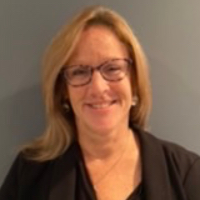
New Jersey · 18 yrs exp
Licensed Clinical Social Worker - Family and parenting concerns
Stress, Anxiety · Relationship · Grief · Depression · +11 more
Read profile
New Jersey · 10 yrs exp
Licensed Professional Counselor - Family and Parenting
Stress, Anxiety · Relationship · Family · Depression · +10 more
Read profile
New Jersey · 23 yrs exp
LPC in New Jersey - relationships and parenting
Relationship · Grief · Parenting · Anger · +10 more
Read profile
New Jersey · 30 yrs exp
LCSW - Family and parenting concerns
Stress, Anxiety · Addictions · Self esteem · Career · +15 more
Read profile
New Jersey · 12 yrs exp
Licensed Clinical Social Worker - Family and parenting
Stress, Anxiety · LGBT · Relationship · Family · +10 more
Read profile
New Jersey · 25 yrs exp
Licensed clinical social worker - Family and parenting focus
Stress, Anxiety · Addictions · Relationship · Self esteem · +9 more
Read profileWhen you seek help for family conflict, parenting stress, blended family challenges, adult children issues or aging parent concerns, your first step is clarifying what you want to address. You may be looking for practical strategies for daily parenting challenges, support for navigating major life transitions, or help managing the emotional strain of caregiving. Identifying the specific problems that matter most to you will make it easier to compare profiles and focus on professionals whose stated interests and experience align with your needs. Keep in mind that the therapists listed here work with individuals about family and parenting problems; a listed specialty does not guarantee a particular service model or that a person treats couples or families unless their profile explicitly says so.
If you are worried that a child or adult is in immediate danger, call local emergency services or use your countryâs emergency number right away. This directory is for informational comparison and not an emergency resource. As you read profiles, look for language about the types of family and parenting concerns a professional notes, how they describe their approach to individual clients, and whether they mention experience with similar situations to yours. That will help you form questions for a first conversation and reduce uncertainty about fit.
The listed location New Jersey groups profiles that include that location in their information. It does not by itself mean there is an in-person office in New Jersey, that a professional can legally practice there, or that they are available to work with every resident. You should check each profile closely and confirm directly with the clinician that they have permission to work with you where you live. In the United States you will commonly see professional licenses such as LCSW, LPC, LMFT, PsyD, PhD or MD associated with a clinician; these are indications of licensing or academic degrees, and each carries different scopes and regulatory requirements. In the United Kingdom and Australia profiles may show registration, membership or professional affiliations rather than US-style licenses. Academic degrees like PhD, PsyD, MA, MSW and MD reflect educational attainment and are not by themselves proof of current permission to practice.
When you compare credentials on profiles, pay attention to how a clinician describes both their degree and any professional license, registration or membership. Look for clear statements about where they are authorized to work, since regulatory rules differ between US states and between countries. If the profile does not state geographic permission, it is appropriate to ask the clinician directly before you begin. Remember that a listed approach or modality on a profile indicates that the person lists it among their approaches; it does not confirm specific training, certification or outcomes.
You will get the most from profiles if you use them to create a short set of concrete questions for an initial conversation. Ask how the clinician typically supports individuals with the kind of family or parenting concern you have, what kinds of client goals they commonly work on, and whether they have experience with situations like yours. If you are coping with grief, a chronic caregiving role, or managing parenting through a divorce or separation, ask for examples of how they have supported individual clients through those stressors. Request clarification about the clinician's role - whether they work with individual adults on parenting and family issues, or whether their profile also mentions couple or family work - and do not assume one based on a specialty tag.
Inquire about the approaches they list and how those approaches might look in practice for you. For example, some clinicians list cognitive-behavioral approaches, attachment-informed perspectives, trauma-aware approaches, or mindfulness-based strategies among their approaches. Ask how those approaches are applied when the focus is parenting skills, boundary setting with adult children, or coping with eldercare responsibilities. If you have particular preferences for communication style, cultural background, or family structure understanding, bring those up and ask how the clinician adapts their work. Use these conversations to assess whether the clinician's way of working and description of experience align with your expectations, rather than treating any one listed term as a guarantee of a specific outcome.
If you are considering remote sessions, there are several practical topics to address in your initial conversations. Confirm where the clinician is permitted to practice, because licensing and registration affect whether they may provide services across state or national lines. Ask what platform they use for online meetings, what technology you need, and how they handle information-sharing boundaries of communications - phrased as how they protect your information and maintain professional boundaries - so you can feel informed about the process. Discuss how they handle emergencies or crises that may arise between contacts, and make a plan for local emergency resources if an urgent situation occurs.
Also talk about expectations for communication outside scheduled appointments, such as messaging, phone calls, or brief check-ins, and ask how that is handled in practice. If you are supporting an older parent or coordinating care across family members, describe the setting and constraints so the clinician can explain whether online care is a good option for your situation. Remember to confirm permission to provide services where you live before starting an online relationship, because geographic authorization is a legal and ethical consideration for clinicians in many jurisdictions.
When you compare profiles, look beyond single words and assess the whole presentation. Focus areas describe the issues a clinician lists, such as parenting stress, blended family dynamics, or caregiving for aging relatives. Read how they describe those focus areas in sentences rather than relying on tags alone. Language capability is often listed on profiles; if you prefer to work with a clinician who speaks another language or who understands your cultural background, note that and ask about how language is used in sessions. Credentials and professional affiliations provide context about training and oversight, but remember to distinguish academic degrees from professional licenses or registration. A degree indicates education, while a license or registration indicates a regulatory status that may be required to practice in certain places.
Your sense of a clinician's therapeutic style can be just as important as their listed specialties. Some profiles emphasize a practical, skills-oriented approach to parenting challenges, while others highlight reflective, process-focused work for exploring family patterns. Notice how a clinician writes about their work - whether they describe goal-setting, emotional support, or problem-solving strategies - and reflect on which style would feel most useful to you. You may want someone who offers concrete parenting tools, someone who helps you explore intergenerational patterns, or someone who combines both. Use the profile descriptions to narrow your options, then ask targeted questions to confirm fit. Above all, check each profile and verify the clinician's permission to work with you where you live before making any commitments.
ADHD
5093 therapists
Anger
6665 therapists
Control Issues
5020 therapists
Depression
8168 therapists
Domestic Violence
3579 therapists
Grief
7314 therapists
Guilt and Shame
6692 therapists
Intimacy Issues
5425 therapists
Isolation / Loneliness
6371 therapists
Midlife Crisis
4715 therapists
Panic Disorder and Panic Attacks
4979 therapists
Postpartum Depression
3147 therapists
Self Esteem
8202 therapists
Stress & Anxiety
8703 therapists
Trauma and Abuse
7482 therapists
Abandonment
4885 therapists
Aging and Geriatric Issues
3237 therapists
Attachment Issues
5173 therapists
Blended Family Issues
4188 therapists
Caregiver Issues and Stress
5297 therapists
Codependency
4815 therapists
Commitment Issues
4092 therapists
Communication Problems
7154 therapists
Compassion Fatigue
5325 therapists
Coping with Life Changes
7978 therapists
Divorce
5713 therapists
Family
8273 therapists
Family of Origin Issues
3915 therapists
Forgiveness
6237 therapists
Infidelity
3873 therapists
Money and Financial Issues
3193 therapists
Parenting
7005 therapists
Relationship
8113 therapists
Workplace Issues
5603 therapists