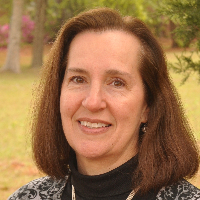
Therapist profile
Denise Owen, LCSW
LCSW focused on family and parenting concerns
Continue with DeniseAbout
- Stress and anxiety
- Parenting support
- Relationship issues
About Denise
Denise Owen is a Licensed Clinical Social Worker (LCSW) licensed in North Carolina with 34 years in social work practice. She works with adults who are dealing with stress, anxiety, relationship strain, grief, parenting challenges, addictions, mood concerns and family difficulties. Denise lists a wide range of concerns she addresses, including trauma, intimacy issues, ADHD, and problems tied to caregiving and blended families.
Her career began in the 1980s and includes inpatient and outpatient settings. She has worked in state psychiatric and medical hospitals, on a military base, and at outpatient agencies across several states. That breadth of experience informs how she assesses current concerns and what options she offers in sessions.
Denise prefers to set goals with each person up front. She typically evaluates where someone is first, then discusses which methods to try. If one method does not fit, she and the client select a different way to proceed. Building rapport is an early priority before moving into active therapeutic work.
Her clinical approach draws from several practical methods, including Acceptance and Commitment Therapy, cognitive behavioral ideas, dialectical behavior strategies, client-centered listening, and mindfulness practices. In sessions she uses techniques from those approaches to address symptoms and everyday problems rather than relying on a single fixed method.
Outside clinical work she has taught community college psychology and a variety of homeschool classes, and she has authored two children's books. She asks new clients to see therapy as a practice you return to, often feeling better after you start doing the work together.
How sessions work
How Denise uses therapy models online
Acceptance and Commitment Therapy (ACT) encourages people to notice difficult thoughts and feelings and still act toward their values. It can help with chronic worry, grief, and situations where avoidance limits daily life. Cognitive Behavioral Therapy (CBT) focuses on identifying unhelpful thinking patterns and testing new behaviors to reduce symptoms like anxiety and low mood. It is often used for stress, depression, and sleep or eating concerns. Client-Centered Therapy centers the client's perspective and relies on careful listening and reflection to clarify goals and choices.Deciding which approach to use is a collaborative step. Denise typically assesses what is going on, discusses goals, and then suggests methods to try. She checks in with the person and adjusts the plan if a technique does not fit. That process helps match skills and strategies to real-life problems at home.
The therapist's biography does not list specific online session formats, so confirm available options before booking. Online work can help fit sessions into a busy home life by reducing travel, allowing shorter check-ins, or letting people choose whether to be on camera. Licensed professionals can use these methods to address parenting stress, relationship strain, grief, and other family-related issues while adapting the pace and tools to what a person can manage in everyday life.
Areas of focus
Areas of expertise
Primary focus
Also works with
Additional focus areas
Therapeutic approaches
Experience
34+ years
Listed in
North Carolina
Languages
English
Questions
Frequently asked questions
What kinds of family and parenting concerns does she address?
She helps with parenting strain, blended family issues, caregiver stress, communication problems, and other family-related difficulties.
How would she describe her therapeutic style?
She assesses needs first, sets client goals, and uses a mix of practical methods such as CBT, DBT strategies, ACT, client-centered listening, and mindfulness techniques.
How much experience does she have?
She has worked in social work since 1986 and holds an NC Licensed Clinical Social Worker credential with 34 years of experience in the field.
Where is she based and what credential does she hold?
She is licensed as an LCSW in North Carolina and lists experience working in multiple states and settings over her career.
Can she work with people who do not live in the United States?
International clients are not currently accepted; sessions are conducted in English.
What session formats are offered?
The original biography does not specify session formats. Please confirm the current session options before booking.
How are fees and payment handled?
Cost varies with location and sessions use a subscription model that can be canceled at any time.
What do I do to begin working with her?
Select the See online therapy options button, complete a short matching questionnaire, and schedule your first session.
Details come from information the therapist supplied to BetterHelp. A license can be checked with the state board.
Online talk therapy is not emergency care. If anyone is in danger, use the crisis numbers.