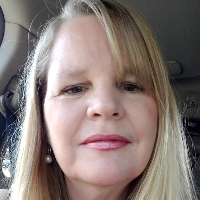
Therapist profile
Diane Bahr, LCPC
Licensed counselor - relationships and life changes
Continue with DianeAbout
- Grief and loss
- Cognitive behavioral work
- Goal focused
About Diane
Diane Bahr is a Licensed Clinical Professional Counselor (LCPC) in Maryland with 15 years of experience working with adults on relationship and life challenges. She focuses on concerns such as grief, anxiety, depression, stress, addictions, and family and relationship strains. Diane also helps people facing career decisions, midlife changes, commitment and control issues, and the emotional fallout from natural or human-caused disasters.
Her approach grew from personal experience. She began therapy after a sudden bereavement and used that work to change unhelpful thinking and behavior. That background shapes how she listens and what she emphasizes in sessions. She looks for the thought patterns that keep someone stuck and helps them test more realistic ways of thinking.
In practical terms she helps people set clear, achievable goals and works step by step toward them. Sessions often focus on small changes that add up over time. Diane mixes conversational work with exercises drawn from cognitive behavioral methods and solution-focused techniques.
Clients can expect straightforward feedback and a focus on skills they can use between meetings. She encourages honest reflection and movement toward concrete goals. The tone in sessions is direct but approachable, with room for difficult feelings and occasional lighter moments.
Diane sees her role as a collaborator who helps people change patterns that limit them. She aims to help people find clearer thinking, steadier moods, and workable plans for the next stage of life.
How sessions work
How Diane’s approaches inform online sessions
Diane commonly uses client-centered work and cognitive behavioral therapy. Client-centered work means the therapist listens closely and follows the client's concerns, helping the client steer the focus and set priorities. Cognitive behavioral therapy looks at the thoughts that keep someone stuck and tests new, more realistic thinking to change feelings and behavior.Finding the right mix of approaches is a collaborative process. Diane will talk with the client about their goals and preferences, then suggest ways to combine listening, practical exercises, and goal setting. She checks in and adapts the plan as progress is made.
Confirm the specific session formats before booking, as current options are not listed here. Online work can make it easier to fit sessions into a busy life by removing travel time, allowing shorter check-ins, or letting someone join from a quieter location. Those practical benefits often help people sustain regular meetings and use skills between sessions.
Areas of focus
Areas of expertise
Primary focus
Also works with
Additional focus areas
Therapeutic approaches
Experience
15+ years
Listed in
Maryland
Languages
English
Questions
Frequently asked questions
What kinds of problems does she help with?
Diane works with adults on grief, anxiety, depression, stress, addictions, relationship and family concerns, career shifts, and midlife challenges.
What is her therapeutic style?
She uses a practical, client-centered style that emphasizes changing unhelpful thinking and setting achievable goals.
How much experience does she have?
She has 15 years of experience as a practicing clinician.
What credential does she hold and where does she practice?
She is an LCPC licensed in Maryland and maintains a practice based in that state.
Which languages are sessions offered in?
Sessions are offered in English.
Does she see international clients?
She does not accept international clients at this time.
How are sessions arranged and what do they cost?
Cost varies with location and sessions use a subscription that can be canceled at any time.
How do I begin if I want to work with her?
Select the See online therapy options button, complete a short matching questionnaire, and schedule a first session.
Details come from information the therapist supplied to BetterHelp. A license can be checked with the state board.
Online talk therapy is not emergency care. If anyone is in danger, use the crisis numbers.