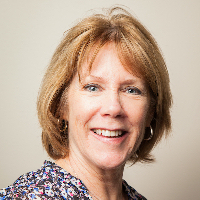
Therapist profile
Dr. Kathy Cox, LCSW
Dr. Kathy Cox, LCSW – Stress and family concerns
Continue with KathyAbout
- CBT techniques
- DBT skills
- Mindfulness practice
About Kathy
Dr. Kathy Cox is a Licensed Clinical Social Worker (LCSW) in California with 30 years of experience. She works with adults who are dealing with stress, anxiety, depression, grief, trauma, addictions, relationship and family concerns, and parenting-related strain. Sessions focus on practical steps and clearer ways to manage everyday demands.
She draws on client-centered work to listen and identify each person’s strengths. Cognitive Behavioral Therapy (CBT) and Dialectical Behavior Therapy (DBT) tools are used to look at thoughts and behaviors that keep problems active. Mindfulness practices and motivational interviewing are added when helpful to increase focus and momentum.
Her background includes long clinical practice and time as a social work professor. She has written two books, one on social work practice and one on self-care for counselors. That mix of practice and teaching shapes an approach that is direct and grounded in experience.
In sessions she helps people name realistic goals and try small changes that fit their lives. She also supports people who are coping with caregiver stress, adoption and foster care issues, aging and geriatric concerns, and the effects of domestic violence or substance use on family life.
Outside clinical work she keeps active with yoga, swimming, and time with her dogs. She is widowed and is a parent to three adult children.
How sessions work
How her approaches translate to online work
Dr. Cox commonly uses Client-Centered Therapy and Cognitive Behavioral Therapy in her work. Client-Centered Therapy means the therapist listens closely and helps clients notice their own strengths and priorities. It is useful when people want a steady, respectful place to talk through family tensions and parenting stress. CBT focuses on the links between thoughts, feelings, and actions and offers specific exercises to change patterns that worsen anxiety or depression.Finding the right approach is treated as a collaborative process. Dr. Cox will discuss goals and preferences and then recommend techniques to try. She and the client reassess as they go to see what helps most in real life.
Confirm the session formats before booking, since the profile does not list them. Online work can make it easier to fit sessions into a busy home life, allow shorter check-ins when schedules are tight, and remove travel time. These practical benefits help people keep therapy consistent while managing caregiving, work, or other daily responsibilities.
Areas of focus
Areas of expertise
Also works with
Additional focus areas
Therapeutic approaches
Experience
30+ years
Listed in
California
Languages
English
Questions
Frequently asked questions
What kinds of concerns does she address?
She works with stress, anxiety, depression, grief, trauma and substance issues, plus relationship and parenting-related concerns.
What is her general approach in sessions?
She uses client-centered listening alongside CBT and DBT techniques to set concrete goals and try practical changes.
How much clinical experience does she have?
She has 30 years of experience as a clinician and former social work professor, and has published two books.
What credentials and location are listed?
She is an LCSW licensed in California.
Does she offer sessions in other languages or to international clients?
Sessions are offered in English and she is not accepting international clients at this time.
What session formats are offered?
Confirm current session options before booking, as formats were not specified in the profile.
How does pricing work?
Cost varies with location and sessions use a subscription that can be canceled at any time.
How do I begin if I want to work with her?
Select the See online therapy options button, complete a short matching questionnaire, and schedule a first session.
Details come from information the therapist supplied to BetterHelp. A license can be checked with the state board.
Online talk therapy is not emergency care. If anyone is in danger, use the crisis numbers.