Therapist profile
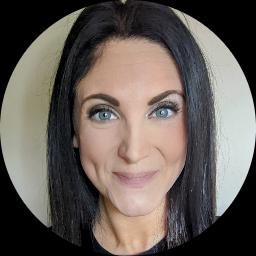
Carley Rothstein, LCSW
Licensed Clinical Social Worker - Family and parenting
Continue with CarleyAbout
- Parenting stress
- Trauma and abuse
- CBT and DBT tools
About Carley
Carley Rothstein is a Licensed Clinical Social Worker (LCSW) in North Carolina with eight years of experience. She began her career as an Exceptional Children’s teacher in a North Carolina school district, moved into academic tutoring and behavioral intervention, and later provided Community Based Rehabilitative Services for the state infant-toddler program. Her background includes a Master’s Degree in Social Work from the University of North Carolina Chapel Hill and a Graduate Certificate in Applied Behavior Analysis from Penn State World Campus.
Carley has offered outpatient therapy for people facing depression, anxiety, trauma, and challenges linked to ADHD and autism. She has worked with clients who have issues around grief, relationship strain, parenting stress, eating and sleeping concerns, and identity questions related to LGBT matters. Her work has also included school-based psychotherapy and behavioral health support in clinics, group homes, and assisted-living settings.
In practice she uses a client-centered approach and draws on methods such as cognitive behavioral techniques, dialectical behavior strategies, mindfulness, and motivational interviewing. Sessions tend to focus on concrete skills for coping, managing emotions, and improving communication. She also brings experience addressing adoption and foster care topics, caregiver stress, attachment issues, and life changes that come with aging.
Carley writes plainly with families in mind and often helps adults who carry the day-to-day weight of parenting or caring for a relative. She is familiar with working with children, teens, and young adults, as well as supporting adults navigating changes related to caregiving and end-of-life planning.
Outside of clinical work she is involved in advocacy for the special needs community and spends time with her son and their pets. Her practical background in schools, community services, and clinical settings informs how she structures sessions and sets goals with clients.
How sessions work
How Carley’s approaches work for online care
Carley often uses cognitive behavioral therapy, which focuses on identifying unhelpful thought patterns and changing behaviors. CBT can help with anxiety, depression, sleep problems, and managing daily routines.She also draws on dialectical behavior therapy skills to teach emotion regulation, distress tolerance, and clearer communication. DBT techniques are useful when feelings run high or when someone needs step-by-step tools to manage anger or intense reactions.
Finding the right approach is part of the work. Carley collaborates with each person to figure out which methods fit their goals and daily life. She adapts strategies over time based on progress and feedback from the client.
Session formats are not listed in the original biography, so confirm available options before booking. Online sessions can make it easier to fit meetings into a busy week, allow shorter check-ins when needed, and offer alternatives to traveling to an office. Ask about the specific session types offered when you schedule so you can choose what fits your routine.
Areas of focus
Areas of expertise
Primary focus
Also works with
Additional focus areas
Therapeutic approaches
Experience
8+ years
Listed in
North Carolina
Languages
English
Questions
Frequently asked questions
What kinds of family or parenting concerns does she address?
She helps adults with parenting stress, communication problems, attachment issues, and navigating adoption or foster care challenges.
What is her therapy style like?
Her approach is client-centered and practical. She uses techniques from CBT, DBT, mindfulness, and motivational interviewing to teach skills and strategies.
How much clinical experience does she have?
She has eight years of professional experience that include school-based roles, outpatient therapy, and community rehabilitative services.
What are her credentials and where does she practice?
She is an LCSW licensed in North Carolina and provides services based on that credential and location.
Can she work with people who don’t live in the U.S.?
Sessions are conducted in English and she is not currently accepting international clients.
Which session formats are offered?
Confirm current session options before booking to know which formats are available for appointments.
How is payment handled?
Cost varies with location and sessions use a subscription model that can be canceled at any time.
How do I begin working with her?
Select the See online therapy options button, complete a short matching questionnaire, and schedule a first session.
Details come from information the therapist supplied to BetterHelp. A license can be checked with the state board.
Online talk therapy is not emergency care. If anyone is in danger, use the crisis numbers.