About
- Anxiety and depression
- Trauma and abuse
- Parenting support
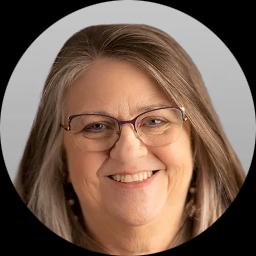
About Cheryl
Cheryl Tredway is a KS LCPC - Licensed Clinical Professional Counselor with ten years of experience. She works with adults on stress, anxiety, depression, trauma and abuse, anger, addictions, relationship and family concerns, and parenting challenges. Cheryl also offers help around grief, intimacy issues, eating concerns, self-esteem, career stress, ADHD, and coping with life changes.
Her style is straightforward and practical. She uses familiar techniques from client-centered therapy, CBT, DBT, EMDR, and the Gottman Method to address patterns that cause repeated conflict or distress. Sessions often focus on clear goals and on skills people can use between appointments.
Cheryl brings a measure of humor when appropriate and encourages clients to bring theirs. She describes her work as collaborative and goal-focused, with attention to communication problems, codependency, control issues, and caregiver stress. She has experience with people who have faced domestic violence, substance issues, divorce and separation, and family of origin concerns.
Her background includes a Bachelor of Science and a Master of Science in Counseling from Emporia State University in Kansas. Over the years she has worked with a variety of adult populations including university students, active duty military and veterans, trauma survivors, and people managing anger and addiction concerns.
Practical conversations and skill building are central to her sessions. Cheryl helps people identify roadblocks, practice new responses, and track progress toward the goals they set together. To begin, clients complete a short matching questionnaire and schedule a first session through the online options.
How sessions work
How therapeutic approaches are used online
Cheryl uses client-centered therapy to focus on the person's goals and priorities. That approach emphasizes listening, reflecting, and adapting sessions to what matters most to the client. It helps when someone needs a practical, person-focused conversation about relationships, parenting, or life stress.She also uses Cognitive Behavioral Therapy (CBT) to identify unhelpful thoughts and habits and to practice alternative responses. CBT is useful for anxiety, depression, and coping with change because it breaks problems into manageable steps. Dialectical Behavior Therapy (DBT) supplies skills for emotion regulation, distress tolerance, and improving communication, which can help with anger, relationship conflict, and ongoing mood struggles.
Choosing the right approach is part of the work. Cheryl will help clients decide which methods fit their needs, goals, and preferences. That decision is collaborative and may change over time as progress is tracked.
The biography does not list specific online session formats, so confirm current options before booking. In general, online work can make it easier to fit sessions into a busy day, allow shorter check-ins when needed, and reduce travel time. Cheryl focuses on practical skills you can use between appointments, helping therapy fit into everyday life rather than adding more tasks.
Areas of focus
Areas of expertise
Primary focus
Also works with
Additional focus areas
Therapeutic approaches
Experience
10+ years
Listed in
Kansas
Languages
English
Questions
Frequently asked questions
What kinds of problems does she help with?
She works with adult concerns such as stress, anxiety, depression, trauma and abuse, anger, addictions, relationship and family difficulties, parenting strain, grief, and intimacy issues.
How would she describe her therapeutic approach?
Her work is collaborative and goal-focused. She uses client-centered methods alongside CBT, DBT, EMDR, and the Gottman Method to teach skills and change patterns.
How much clinical experience does she have?
She has ten years of clinical experience, practicing since 2012 with adult populations across a range of concerns.
What credential and location should I know about?
She is a KS LCPC - Licensed Clinical Professional Counselor based in Kansas.
Can I work with her if I live outside the United States?
Sessions are offered in English and she does not accept international clients at this time.
Which session formats does she offer?
The original biography does not specify session formats; please confirm current session options before booking.
How are fees handled?
Cost varies with location and sessions use a subscription that can be canceled at any time.
What is the first step to get started?
Select the See online therapy options button, complete a short matching questionnaire, and schedule your first session.
Details come from information the therapist supplied to BetterHelp. A license can be checked with the state board.
Online talk therapy is not emergency care. If anyone is in danger, use the crisis numbers.