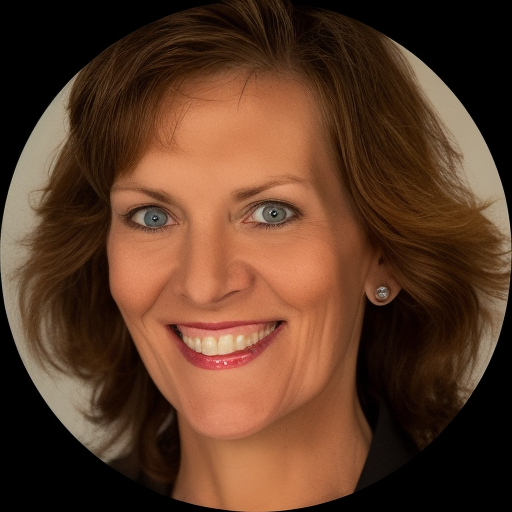
Therapist profile
Dr. Darlene Groomes, LPC
LPC in Michigan - family and parenting focus
Continue with DarleneAbout
- Client-centered work
- CBT and DBT methods
- Mindfulness techniques
About Darlene
Dr. Darlene Groomes is a Michigan Licensed Professional Counselor (LPC) with four years of clinical experience. She focuses on concerns such as stress, anxiety, addictions, grief, self-esteem, family issues, trauma and abuse, intimacy-related issues, parenting, anger, career matters, and depression. She also lists ADHD, compassion fatigue, and a range of related life challenges among her areas of attention.
She works with people who are coping with loss, trauma, and difficult family patterns. Her background includes work with disability-related issues and body image challenges. She also has experience in mental health first aid for youth and in training adults for first aid response.
Her stated approach centers on client-centered work combined with practical techniques. She uses cognitive-behavioral methods, mindfulness practices, and elements of dialectical behavior and emotionally-focused approaches. Sessions aim to address thinking patterns, emotions, and coping skills in everyday life.
Dr. Groomes says she uses an integrative, trauma-informed stance and includes psychoeducation and solution-focused techniques when helpful. She emphasizes listening, validating what people bring, and being direct about goals and next steps. If another professional would be a better fit, she will refer to local area expertise.
Practical needs such as career stress, parenting strain, blended family tensions, or recovery from substance use appear among the issues she lists. People who want a mix of conversational, skills-based, and reflective work may find this style relevant.
How sessions work
Therapeutic approaches and how online sessions work
Client-centered therapy focuses on listening and reflecting back what matters most to the person. It supports people in clarifying goals and making choices that feel right for them. Cognitive Behavioral Therapy, or CBT, looks at thinking patterns and practical skills to reduce anxiety, manage mood, and change unhelpful behaviors. Dialectical Behavior Therapy, or DBT, offers concrete skills for emotion regulation, distress tolerance, and clearer communication when feelings run high.Figuring out which approach to use is a shared process. The therapist will talk with the client about goals and preferences, then suggest methods to try. That plan can change over time based on progress and what feels useful to the client. Collaboration means checking in about what helps and adjusting techniques when needed.
Session logistics and formats are not specified in the biography, so confirm current session options before booking. In general, online sessions can make it easier to fit meetings into a workday, allow shorter check-ins between appointments, or remove travel time. They also let people use visual or audio-only formats depending on comfort and bandwidth. Ask about session length, frequency, and the platform used when completing the matching questionnaire so practical details are clear before the first appointment.
Areas of focus
Areas of expertise
Primary focus
Also works with
Additional focus areas
Therapeutic approaches
Experience
4+ years
Listed in
Michigan
Languages
English
Questions
Frequently asked questions
What kinds of problems does she help with at home?
She lists stress, parenting concerns, family problems, relationship and intimacy-related issues, grief, and trauma among her focus areas.
How would she approach therapy?
She uses a client-centered, integrative approach with practical methods such as cognitive-behavioral techniques, mindfulness, dialectical behavior strategies, and emotionally-focused ideas.
How much experience does she have?
She has four years of clinical experience working with clients on trauma, loss, family issues, and related concerns.
What are her credentials and where is she based?
She is a Michigan Licensed Professional Counselor (LPC) practicing from Michigan.
Does she work in languages other than English?
Sessions are offered in English.
Can people outside the United States work with her?
International clients are not currently accepted.
How are sessions priced and billed?
Cost varies with location, and sessions use a subscription that can be canceled at any time.
What is the first step to begin working together?
Use the See online therapy options button, complete a short matching questionnaire, and schedule a first session.
Details come from information the therapist supplied to BetterHelp. A license can be checked with the state board.
Online talk therapy is not emergency care. If anyone is in danger, use the crisis numbers.