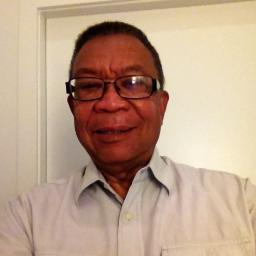
Therapist profile
Gary Grant, LMHC
LMHC in Washington - family and parenting concerns
Continue with GaryAbout
- Attachment-based approaches
- Client-centered work
- Cognitive strategies
About Gary
Gary Grant is a Licensed Mental Health Counselor (LMHC) in Washington with 50 years of professional experience. He lists work across stress, anxiety, trauma and abuse, intimacy issues, self-esteem, depression, addictions, LGBT concerns, relationship and family matters, grief, eating and sleeping problems, parenting, anger, career issues, bipolar disorder, ADHD, and other life changes.
He began with client-centered approaches inspired by Carl Rogers and has moved toward an integrative, recovery-oriented practice that emphasizes strengths and resilience. He has a long history as an educator, probation officer, and therapist, and he has worked in diverse cultural settings including Native American and Alaskan Native communities.
Gary holds a Master of Education in Guidance and Counseling and additional graduate work in clinical psychology. He also completed clinical hypnotherapy training and has experience using hypnotherapeutic techniques alongside talk therapy. Much of his recent work involved group-based mindfulness training for emotional regulation in people with depression, anxiety, and trauma histories.
In practice he offers individual psychotherapy and has experience with adolescents and group work from residential settings. His background includes work with people dealing with domestic violence, anger management, dissociation, and complex trauma. He also notes experience with multicultural and LGBT issues and adoption and foster care concerns.
Sessions focus on practical steps people can take at home and in daily life. He combines attachment-based ideas, client-centered listening, and cognitive strategies to help people manage symptoms and improve relationships over time.
How sessions work
How his approaches translate to online work
Gary uses attachment-based ideas to look at how early and current relationships shape how people connect and react. This approach helps when intimacy, trust, or ongoing relationship patterns are causing stress or conflict.He also draws on client-centered therapy, which focuses on listening closely and helping people find their own solutions. That style supports people who want a conversational, reflective space to sort through parenting or family tensions.
Cognitive Behavioral Therapy (CBT) features in his work as well, offering practical tools to change thoughts and behaviors that worsen anxiety, mood, or sleep. CBT techniques can be used to build small routines and coping steps between sessions.
Finding the right approach is part of the work together. He will talk with each person about goals, preferences, and what feels useful, then mix methods to fit those needs. That collaboration helps shape session focus and homework or practice between meetings.
The original biography does not list specific online session formats, so confirm current options before booking. Online work can make it easier to fit sessions into a weeknight or a lunch break, allow shorter check-ins when life is busy, and reduce travel time to appointments. Licensed professionals often adapt mindfulness, cognitive exercises, and attachment-based conversation to remote sessions to keep progress moving.
Areas of focus
Areas of expertise
Also works with
Additional focus areas
Therapeutic approaches
Experience
50+ years
Listed in
Washington
Languages
English
Questions
Frequently asked questions
What kinds of problems does he work with?
He lists stress, anxiety, trauma and abuse, intimacy issues, depression, addictions, parenting concerns, and many related topics including ADHD and grief.
What is his therapeutic style like?
He uses an integrative approach rooted in client-centered work, with attachment ideas and cognitive strategies to help people make practical changes.
How many years has he practiced?
He brings 50 years of experience as an educator, probation officer, and mental health therapist.
What credential does he hold and where is he based?
He is an LMHC licensed in Washington State.
Are sessions offered in languages other than English?
Sessions are offered in English and he accepts international clients.
Which session formats are used?
The original profile does not list specific session formats; please confirm current session options before booking.
How is cost handled?
Cost varies with location and sessions use a subscription that can be canceled at any time.
How do I begin with him?
Choose the See online therapy options button, complete a short matching questionnaire, and schedule a first session.
Details come from information the therapist supplied to BetterHelp. A license can be checked with the state board.
Online talk therapy is not emergency care. If anyone is in danger, use the crisis numbers.