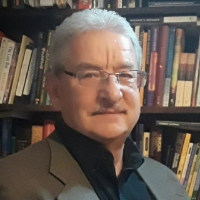
Therapist profile
Dr. Gary Ward, LMFT, LPC
Dr. Gary Ward - LMFT, LPC focused on family and relationships
Continue with GaryAbout
- Client-centered work
- Cognitive Behavioral Therapy
- Mindfulness practice
About Gary
Dr. Gary Ward is a Licensed Marriage and Family Therapist (LMFT) and Licensed Professional Counselor (LPC) practicing in Texas with 12 years of clinical experience. He lists work with stress, anxiety, relationship and family concerns, grief, depression, addictions, trauma and abuse, parenting, and related areas such as attachment and communication problems. Sessions are presented in plain language and aimed at adults handling difficult home situations.
He trained in counseling and completed a Doctor of Ministry in Pastoral Counseling following a master’s degree in Professional Counseling. Much of his background combines ministry and public education. That includes a decade in ministry supporting families and individuals, and fifteen years working in public education with high school students who had learning difficulties and their families.
In practice he uses client-centered ideas alongside structured methods like Cognitive Behavioral Therapy and skills-based approaches such as Dialectical Behavior Therapy. He also draws on Emotionally-Focused Therapy and mindfulness practices to address emotions, relationship patterns, and day-to-day coping. Sessions focus on concrete skills as well as understanding patterns that repeat across relationships.
He describes therapy as a collaborative process that helps people recognize strengths and work toward practical change. He is a Christian and says his personal faith informs his perspective, but he applies clinical approaches to meet each person’s needs and situation. He aims to help people manage life changes, rebuild communication, and reduce recurring stressors.
Dr. Ward’s work includes concerns like parenting strain, blended family issues, caregiver stress, codependency, and separation or divorce. He offers straightforward conversation and skills practice to help people make steady, realistic changes.
How sessions work
How his approaches translate to online sessions
Client-Centered Therapy focuses on listening and reflecting so the adult in therapy can explore what matters most. It’s useful for people who need a steady, nonjudgmental place to talk about family strain or parenting stress. Cognitive Behavioral Therapy (CBT) breaks problems into thoughts, feelings, and behaviors and uses practical exercises to change unhelpful patterns. It works well for anxiety, depression, and impulse control concerns. Dialectical Behavior Therapy (DBT) brings skills for managing intense emotions and improving interaction patterns; it can help with anger, impulsivity, and relationship tensions.Choosing the right approach is part of the work. He will help figure out which methods fit a person’s goals and preferences, and he combines approaches when that makes sense. That collaborative decision happens early and can be adjusted as progress is tracked.
The biography does not list specific session formats, so confirm current options before booking. In general, online sessions can make it easier to fit counseling into a busy routine, shorten commute time, and allow brief check-ins when needed. Therapists can adapt CBT and DBT exercises for remote use and use client-centered listening to navigate family and parenting concerns across sessions.
Areas of focus
Areas of expertise
Primary focus
Also works with
Additional focus areas
Therapeutic approaches
Experience
12+ years
Listed in
Texas
Languages
English
Questions
Frequently asked questions
What kinds of problems does he address?
He lists stress, anxiety, relationship and family concerns, parenting, grief, depression, addictions, trauma, and related issues such as attachment and communication problems.
What approach does he use in sessions?
He combines client-centered work with structured methods like Cognitive Behavioral Therapy and Dialectical Behavior Therapy, plus Emotionally-Focused and mindfulness techniques to address emotions and relationship patterns.
How long has he been practicing?
He has 12 years of clinical experience and additional years working in ministry and public education with families and high school students.
What are his credentials and where is he based?
He holds the credentials LMFT and LPC and practices in Texas.
Does he offer sessions in other languages or to international clients?
Sessions are offered in English and he does not accept international clients at this time.
What session formats are available?
Session formats were not specified in the biography; confirm current options before booking to know whether video, phone, or other formats are offered.
How are fees handled?
Cost varies with location and sessions use a subscription that can be canceled at any time.
How do I begin working with him?
Select the See online therapy options button, complete a short matching questionnaire, and schedule a first session.
Details come from information the therapist supplied to BetterHelp. A license can be checked with the state board.
Online talk therapy is not emergency care. If anyone is in danger, use the crisis numbers.