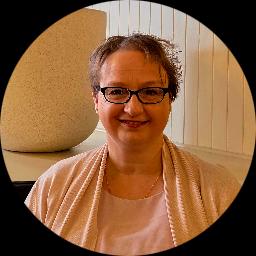
Counsellor profile
Kim Wilksch, AASW
AASW social worker - Family and grief support
Continue with KimAbout
- Stress and anxiety
- Grief and loss
- Chronic pain support
About Kim
Kim Wilksch is an AASW social worker with three years' experience based in Australia. She combines professional training with lived experience as a parent and someone who manages chronic pain. She helps people facing stress, anxiety, grief, depression and major life changes, and supports those dealing with family concerns and caregiving strain.
Kim often works with people affected by domestic and family violence and the ripple effects this brings to mental health and relationships. She also supports people navigating divorce, separation and communication breakdowns. Practical matters such as loneliness, guilt, jealousy and forgiveness are part of her day-to-day work.
Her approach draws on Acceptance and Commitment Therapy and Cognitive Behavioural Therapy to build clearer thinking and committed action. She uses Attachment-Based and Client-Centred ideas to strengthen how people understand their relationships and their own needs. Dialectical Behaviour Therapy skills are used for emotional regulation and stress management.
Kim integrates faith where it matters to the person she is meeting and can work in a non-religious way if that is preferred. She uses psychoeducation, mindfulness practices and strengths-based methods to help people develop routines, communication skills and self-care habits that fit everyday life.
She is experienced in supporting people with chronic pain and in grief and end-of-life matters, including hospice and caregiver stress. Kim also uses narrative approaches and motivational interviewing to help people reframe difficult experiences and set manageable goals.
To begin, a short matching questionnaire and a scheduled first session are the first practical steps toward working together.
How sessions work
Approaches explained and how online sessions work
Acceptance and Commitment Therapy (ACT) helps people clarify what matters to them and take small steps towards those values while learning to live with difficult thoughts and feelings. It can be useful for anxiety, depression and coping with life changes.Attachment-Based Therapy focuses on patterns in close relationships and how early and current bonds shape reactions today. It can help with communication problems, relationship distress and feelings of abandonment.
Kim sees choosing an approach as a collaborative process. She will talk with the person about their goals and daily life, then suggest one or two ways of working and review how they feel about the plan as therapy progresses.
Confirm the precise online session formats available before booking, as the profile does not list them. Having therapy online can make it easier to fit sessions around work and family life, reduce travel time and allow for shorter check-ins when needed. It also means a person can use calmer or quieter times of the day, or choose not to be on camera if that helps them focus. Appropriately qualified therapists can adapt exercises and mindfulness practices for remote sessions to support communication skills, emotional regulation and self-care routines.
Areas of focus
Areas of expertise
Primary focus
Additional focus areas
Therapeutic approaches
Experience
3+ years
Listed in
Australia
Languages
English
Questions
Frequently asked questions
What kinds of family concerns does she help with?
She helps people work through family problems, communication breakdowns, divorce and separation, and caregiver stress.
What style of therapy does she use?
Her practice uses Acceptance and Commitment Therapy, Cognitive Behavioural Therapy, Attachment-Based and Client-Centred approaches, and skills from Dialectical Behaviour Therapy.
How long has she been practising?
She has three years of professional experience as an AASW social worker in Australia.
What credential does she hold and where is she located?
She is an AASW social worker based in Australia.
Can I work with her if I don’t live in Australia?
She does not accept international clients at present; sessions are offered in English for people in Australia.
Which session formats are offered?
Confirm current session options before booking, as the profile does not list specific formats.
How does payment and cost work?
Cost varies with location and sessions operate through a subscription that can be cancelled at any time.
What should I do to get started?
Select the See online therapy options button, complete the short matching questionnaire, and schedule a first session.
Details come from information the counsellor supplied to BetterHelp. A registration can be checked with the body that issued it.
Online talk therapy is not emergency care. If anyone is in danger, use the crisis numbers.