Therapist profile
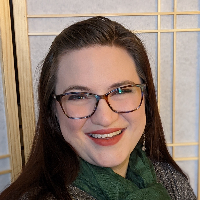
Rebecca Preston, LMHC
Licensed Mental Health Counselor - Family and parenting concerns
Continue with RebeccaAbout
- Mindfulness therapy
- Attachment based
- Cognitive behavioral
About Rebecca
Rebecca Preston is a Licensed Mental Health Counselor (LMHC) in New York with eight years of clinical experience. She has spent much of her career working with people affected by substance use and the emotional, relational, and physical challenges that often come with addiction. She also works with mood disorders such as anxiety, depression, and bipolar disorder, and with people who have histories of complex trauma and attachment difficulties.
Her practice emphasizes straightforward, person-focused conversation. Sessions tend to center on noticing patterns that cause distress and trying small, practical changes. Mindfulness exercises are often used alongside problem-solving to help manage strong emotions and reduce reactivity.
Rebecca draws on attachment-based and client-centered ideas to look at how early relationships shape current behavior and expectations. Cognitive Behavioral Therapy (CBT) techniques are used to identify and shift unhelpful thinking and behavior. Solution-focused strategies help set concrete, short-term goals when immediate change is needed.
She has worked with a wide range of people across different ages and cultural backgrounds. Rebecca commonly addresses issues like grief, sleep problems, anger, ADHD, self-esteem, and caregiver stress. Additional areas she notices in practice include abandonment concerns, codependency, communication problems, and dissociation.
Sessions aim to be direct and humane, with room for humor when it helps. Prospective clients in New York should confirm current session options and scheduling details before booking.
How sessions work
How Rebecca's approaches work in online sessions
Attachment-based work looks at how early relationships shape current expectations and reactions. In practice this means noticing how past hurts influence present interactions and trying small, repeated changes to feel less reactive in relationship situations.Client-centered therapy focuses on the person's perspective and pace. Sessions using this approach emphasize listening, reflecting what the client says, and letting the client lead toward topics they want to change or understand better.
Cognitive Behavioral Therapy, or CBT, breaks problems into thoughts, feelings, and behaviors. It offers concrete techniques for testing unhelpful thoughts and trying new behaviors to reduce anxiety, low mood, or impulsive patterns.
Finding the right mix of approaches is part of the work. The therapist will collaborate with the client to identify which methods fit their goals and preferences. That choice can shift as progress is made or new needs appear.
The biography does not list explicit session formats, so confirm available online options before booking. Online sessions can make it easier to fit therapy into a busy routine, shorten travel time, and allow quicker check-ins between in-person appointments if needed. These practical benefits often help people maintain momentum while they work on stress, parenting strain, or coping with mood and trauma-related symptoms.
Areas of focus
Areas of expertise
Primary focus
Also works with
Additional focus areas
Therapeutic approaches
Experience
8+ years
Listed in
New York
Languages
English
Questions
Frequently asked questions
What kinds of family and parenting concerns does she address?
She helps adults who are dealing with relationship strain, parenting stress, communication breakdowns, and issues that come from family patterns.
How would you describe her therapy style?
Her style is person-focused and practical. She uses mindfulness, gentle exploration of attachment, and problem-solving to support change.
How much clinical experience does she have?
She has eight years of clinical experience working primarily with people affected by substance use, trauma, and mood disorders.
Where is she licensed and based?
She is a Licensed Mental Health Counselor (LMHC) licensed in New York and practices from that location.
Can she work with non-English speakers or international clients?
Sessions are offered in English. She is not currently accepting international clients.
What session formats are offered?
The original biography does not specify session formats. Please confirm current session options before booking.
How much do sessions cost?
Cost varies with location. Sessions use a subscription that can be canceled at any time.
How do I begin working with her?
Click the See online therapy options button, complete a short matching questionnaire, and schedule a first session.
Details come from information the therapist supplied to BetterHelp. A license can be checked with the state board.
Online talk therapy is not emergency care. If anyone is in danger, use the crisis numbers.