About
- Cognitive Behavioral Therapy
- Acceptance and Commitment Therapy
- Mindfulness Therapy
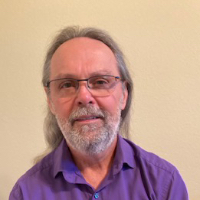
About Robert
Robert Bronson is a Licensed Clinical Social Worker (LCSW) practicing in Arkansas with 19 years of clinical experience. He helps people who are coping with stress, anxiety, trauma and abuse, depression, addictions, grief, parenting strains, relationship concerns, sleep problems, and other life changes. He also lists work with LGBT issues, bipolar disorder, self-esteem, and compassion fatigue among his focus areas.
Robert uses practical, evidence-based approaches such as Cognitive Behavioral Therapy (CBT), Acceptance and Commitment Therapy (ACT), Emotionally-Focused Therapy (EFT), Client-Centered Therapy, and Mindfulness Therapy. In sessions he listens to the story behind the immediate problem, then suggests steps that can reduce symptoms and improve daily functioning. He aims to be direct and approachable rather than overly clinical.
He draws on nearly two decades of experience to help people facing both acute crises and longer-term struggles. That experience includes work with trauma-related concerns and mood disorders as well as issues tied to family of origin, caregiving, and life transitions. He describes a practical style that mixes talk, skills practice, and reflection.
Robert emphasizes helping clients develop clearer values and small, achievable actions that match those values. He uses mindfulness and cognitive tools to address unhelpful thinking, manage strong emotions, and improve sleep and daily routines. Sessions typically focus on concrete goals a person can try between meetings.
People looking for support in Arkansas can consider whether his mix of approaches fits their needs. To begin, follow the site's process to view online therapy options, complete a short matching questionnaire, and schedule a first session.
How sessions work
Therapeutic approaches and how online work can fit in
Acceptance and Commitment Therapy (ACT) focuses on clarifying what matters most to a person and taking small actions that reflect those values. It helps with anxiety, low mood, and feeling stuck by shifting attention toward meaningful behavior rather than trying to eliminate difficult thoughts. Cognitive Behavioral Therapy (CBT) teaches practical skills to spot and change unhelpful thoughts and routines. CBT often helps with sleep problems, anxiety, depression, and patterns that maintain distress. Mindfulness Therapy trains attention to the present moment and offers tools to reduce reactivity to strong emotions and intrusive memories.Finding the right approach is part of the work. Robert will collaborate with the client to choose or combine methods based on the person's goals, preferences, and day-to-day realities. That shared decision making helps match skills practice and homework to what a person is able to try between meetings.
The original profile does not list specific online formats, so confirm current session options before booking. Many people use online sessions to fit therapy into busy family and work schedules, do shorter check-ins between in-person visits, or avoid commuting. Online work can make it easier to practice skills in real life and keep therapy consistent during life changes, but check the available formats before scheduling.
Areas of focus
Areas of expertise
Primary focus
Also works with
Additional focus areas
Therapeutic approaches
Experience
19+ years
Listed in
Arkansas
Languages
English
Questions
Frequently asked questions
What kinds of problems does he help with?
He works with stress, anxiety, trauma and abuse, depression, addictions, sleep problems, grief, parenting concerns, relationship strain, and other life changes.
What is his therapeutic style like?
He uses practical, evidence-informed methods such as CBT, ACT, EFT, client-centered approaches, and mindfulness. Sessions combine conversation with skills practice.
How much clinical experience does he have?
He has 19 years of clinical experience working with trauma, mood concerns, and life transition issues.
What are his credentials and where is he based?
He is a Licensed Clinical Social Worker (LCSW) licensed in Arkansas.
Does he work in other languages or with international clients?
Sessions are offered in English. He is not accepting international clients at this time.
What session formats are offered?
The original profile does not list specific session formats. Please confirm current session options before booking.
How much do sessions cost?
Cost varies with location. Sessions use a subscription that can be canceled at any time.
How do I get started?
Select the See online therapy options button, complete the short matching questionnaire, and schedule a first session.
Details come from information the therapist supplied to BetterHelp. A license can be checked with the state board.
Online talk therapy is not emergency care. If anyone is in danger, use the crisis numbers.