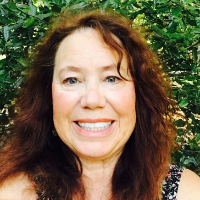
Therapist profile
Sherry Friedman, LPC, LCMHC
Licensed counselor - family and parenting concerns
Continue with SherryAbout
- Attachment work
- Mindfulness skills
- DBT informed
About Sherry
Sherry Friedman is an LPC, Licensed Clinical Mental Health Counselor (LCMHC) practicing in North Carolina with 12 years of experience. She focuses on stress, anxiety, trauma and abuse, parenting concerns, coping with life changes, compassion fatigue, relationship strain, grief, anger, self-esteem, career questions, mood disorders, and ADHD. Sessions draw on several therapeutic approaches she lists, including attachment-based and client-centered work.
Sherry writes and refers to practical resources she uses in sessions. She has written a memoir that describes life as a highly sensitive person and includes tools she often brings into counseling. Her background includes training in clinical counseling, school psychology, and gifted education, and she uses that mix when clients' work or family roles are part of the problem.
In practice she uses conversational, reflective work and skills-based techniques. She helps people notice patterns from their family of origin and attachment history. She also introduces mindfulness and DBT-style skills for managing strong emotions and testing new ways of communicating.
People who contact her often want help sorting parenting stress, persistent worry, grief, or the fallout from difficult relationships. She reviews coping strategies, practical boundaries, and short-term behavioral tools alongside deeper exploratory work about life purpose and meaning when clients want that.
Sherry asks new clients to complete a short matching questionnaire and then schedule a first session. Her services are discussed through a subscription model that can be canceled at any time and may vary with location.
How sessions work
Approaches used in virtual sessions
Attachment-Based Therapy focuses on how early relationships shape current patterns. It helps people see recurring interaction styles and try new ways of connecting and setting boundaries. Client-Centered Therapy centers the person's perspective and experience. The therapist listens with curiosity and follows the client's lead to clarify values and choices. Dialectical Behavior Therapy (DBT) supplies concrete skills for emotion regulation, distress tolerance, and clearer communication; these skills help when feelings are intense or relationships trigger strong reactions.Choosing an approach is part of the work. The therapist will talk with the client about goals, test what feels useful, and adjust methods over time. That collaborative process helps match the right mix of discussion, skill practice, or deeper exploration to the problem at hand.
Session formats are not listed in the biography, so confirm current options before booking. Many people find online sessions easier to fit into a busy day, allow shorter check-ins when needed, and reduce travel time. Others prefer a fuller session for in-depth reflective work. Discussing practical details during the matching questionnaire helps identify which session length and style will best fit everyday life.
Areas of focus
Areas of expertise
Primary focus
Also works with
Additional focus areas
Therapeutic approaches
Experience
12+ years
Listed in
North Carolina, South Carolina, Rhode Island
Languages
English
Questions
Frequently asked questions
What kinds of family or parenting issues does she address?
She works with adults facing parenting stress, family problems, and communication difficulties. Common topics include boundary setting, role strain, and family of origin issues.
What is her general approach in sessions?
She blends client-centered conversation with attachment-based exploration and introduces skills from DBT and mindfulness when useful. Sessions mix talking, skill practice, and reflective exercises.
How much experience does she bring?
She has 12 years of clinical experience and a background in clinical counseling, school psychology, and gifted education.
What credentials and region apply to her practice?
She holds LPC and LCMHC credentials and practices in North Carolina.
Which languages are supported in sessions?
Sessions are offered in English.
Can international clients work with her?
She does not accept international clients at this time.
How are fees and billing handled?
Cost varies with location; sessions use a subscription that can be canceled at any time.
What are the first steps to begin?
Select the See online therapy options button, complete the short matching questionnaire, and schedule a first session.
Details come from information the therapist supplied to BetterHelp. A license can be checked with the state board.
Online talk therapy is not emergency care. If anyone is in danger, use the crisis numbers.