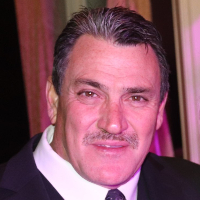
Therapist profile
Timothy 'Tim' McCann, LPC, LMHC
Licensed counselor - Relationships and parenting focused
Continue with TimothyAbout
- ACT methods
- CBT techniques
- Emotion work
About Timothy
Timothy 'Tim' McCann is a Licensed Professional Counselor (LPC) and a Licensed Mental Health Counselor (LMHC) practicing in Florida with six years of experience. He focuses on stress, anxiety, relationship and intimacy-related concerns, parenting challenges, coping with life changes, addictions, trauma and abuse, grief, and related areas. Tim works with adults who want clearer communication and more reliable ways to manage strong emotions.
He uses plain talk and practical techniques to help people notice what matters and take small, steady steps. Sessions often include skills for managing anxiety, improving how people talk about difficult topics, and strategies to handle cravings or repetitive behaviors. Tim also helps people who are struggling after losses, family conflict, or major life shifts.
Tim has worked with a wide range of people, including young adults, military veterans, and first responders. That background informs how he frames problems and suggests day-to-day tools. He sometimes draws on approaches that focus on present moment choice, changing unhelpful thinking, and strengthening emotional connection.
In the room he focuses on clear collaboration. He talks through goals and practical ways to measure progress. Sessions are direct and paced to fit someone's life, with attention to communication patterns and coping skills.
People who want to begin are asked to use the online matching questionnaire to schedule a first session. Costs vary by location and use a subscription that can be canceled at any time.
How sessions work
How his therapeutic approaches translate to online work
Acceptance and Commitment Therapy (ACT) helps people notice thoughts and emotions without getting stuck in them, then choose actions that reflect their values. It is useful for anxiety, life changes, and decisions about relationships. Cognitive Behavioral Therapy (CBT) focuses on the links between thoughts, feelings, and actions and teaches concrete skills to change unhelpful patterns. It is often used for anxiety, mood, and behavior change. Dialectical Behavior Therapy (DBT) offers practical emotion regulation and distress tolerance skills for people who struggle with intense mood swings or impulsive behavior.Finding the right approach is treated as a collaborative process. The therapist will talk with each person about goals, try a method, and adjust based on what actually helps. That means approaches can be mixed and adapted over a series of sessions to match needs and preferences.
Confirm the specific session formats before booking, since the profile does not list them. Online work can make it easier to fit therapy into a busy life - for example a shorter check-in during a lunch break, a session without commuting, or toggling between voiced and written check-ins when needed. Licensed professionals use these practical options to help therapy fit around parenting, work, and other day-to-day demands.
Areas of focus
Areas of expertise
Primary focus
Also works with
Additional focus areas
Therapeutic approaches
Experience
6+ years
Listed in
Colorado, Florida
Languages
English
Questions
Frequently asked questions
What kinds of problems does he address?
He works with stress, anxiety, relationship and intimacy-related concerns, parenting issues, grief, trauma, addictions, mood concerns, and related problems listed in his specialties.
How would he describe his therapeutic style?
He uses a collaborative, practical style that emphasizes clear communication and skills practice drawn from several approaches.
How much clinical experience does he have?
He has six years of professional experience as an LPC and LMHC in Florida.
What credentials and location apply to his practice?
He holds LPC and LMHC credentials and practices in Florida, with the licenses listed as CO LPC and FL LMHC in his profile.
Are sessions available in other languages or internationally?
Sessions are offered in English, and he does accept international clients.
What session formats does he offer?
Please confirm current session formats before booking, as the profile does not list specific delivery methods.
How does pricing work for sessions?
Cost varies with location, and sessions use a subscription that can be canceled at any time.
How do I begin working with him?
Select the See online therapy options button, complete a short matching questionnaire, and schedule a first session.
Details come from information the therapist supplied to BetterHelp. A license can be checked with the state board.
Online talk therapy is not emergency care. If anyone is in danger, use the crisis numbers.