About
- CBT techniques
- DBT skills
- Motivational interviewing
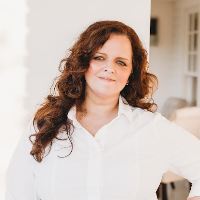
About Amanda
Amanda Reid is an LPC (Licensed Professional Counselor) practicing in South Carolina with eight years of experience. She works with adults on problems such as stress, anxiety, depression, addictions, trauma and ADHD. Amanda also lists parenting concerns, anger, self-esteem, bipolar disorder, and coping with life changes among her clinical focuses.
She draws on client-centered methods and cognitive-behavioral techniques to help people clarify what matters to them. Sessions focus on practical skills like grounding, increasing coping strategies, and reshaping unhelpful thoughts. Amanda uses elements from dialectical behavior approaches and motivational interviewing when it fits a person’s goals.
Her background includes work as a substance abuse counselor and as a therapist in a group home and mental health hospital. That experience informs how she supports people facing addiction, trauma, and mood challenges. Amanda emphasizes building routines and skills that reduce reactivity and improve daily functioning.
When parenting or blended family concerns come up, she helps individuals think through communication, boundaries, and caregiving stress. She also addresses attachment-related issues, adoption and foster care questions, and the stresses that come with chronic illness or caregiving roles.
Amanda frames therapy as a practical process. Early sessions typically identify immediate coping needs and longer-term patterns to change. She guides people toward applying new skills between sessions and tracking what does and does not help.
How sessions work
How Amanda’s approaches work online
Amanda commonly uses Client-Centered Therapy and Cognitive Behavioral Therapy (CBT) in her work. Client-Centered Therapy focuses on listening closely and helping a person identify their own goals. CBT looks at patterns of thinking and behavior and teaches specific skills to reduce symptoms like anxiety or depression.She also draws on Dialectical Behavior Therapy (DBT) skills when people need help managing strong emotions or improving distress tolerance. DBT offers concrete tools for emotion regulation, mindfulness, and handling conflict in pressured moments.
Finding the right approach is part of the process. Amanda will work collaboratively to decide which methods match a person’s goals and comfort level. Early sessions tend to clarify immediate coping needs and plan what techniques to try between meetings.
The practical benefits of online work include fitting sessions into a busy week and keeping continuity when travel or life events interrupt routines. The original biography does not list specific online session formats, so confirm current session options before booking. Online sessions can allow shorter check-ins, easier scheduling around caregiving or work, and options that avoid the need to travel to an office.
Areas of focus
Areas of expertise
Primary focus
Also works with
Additional focus areas
Therapeutic approaches
Experience
8+ years
Listed in
South Carolina
Languages
English
Questions
Frequently asked questions
What kinds of problems does she help with?
She works with adults on stress, anxiety, depression, addictions, trauma, ADHD, parenting strain, anger, and coping with life changes.
What is her therapeutic style like?
Her style is client-centered and practical, using cognitive-behavioral techniques and DBT skills to build coping strategies and change unhelpful patterns.
How much experience does she have?
Amanda has eight years of clinical experience, including time as a substance abuse counselor and work in a group home and mental health hospital.
What are her credentials and where is she located?
She is an LPC (Licensed Professional Counselor) licensed in South Carolina and practices there.
Does she offer sessions in other languages?
Sessions are offered in English.
Can people from other countries work with her?
She does not accept international clients at this time.
How are sessions scheduled and what do they cost?
Cost varies by location; sessions use a subscription that can be canceled at any time.
How do I get started with her?
Select the See online therapy options button, complete a short matching questionnaire, and schedule a first session.
Details come from information the therapist supplied to BetterHelp. A license can be checked with the state board.
Online talk therapy is not emergency care. If anyone is in danger, use the crisis numbers.