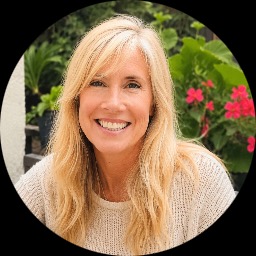
Therapist profile
Amy Shafer, LCSW
Licensed Clinical Social Worker - family and parenting focus
Continue with AmyAbout
- Family systems work
- Cognitive behavioral tools
- Mindfulness practices
About Amy
Amy Shafer is a Licensed Clinical Social Worker (LCSW) in California with 30 years of experience. She works with adults on stress, anxiety, grief, depression, family and relationship concerns, parenting strain, and related challenges. She also addresses trauma and abuse, addictions, intimacy issues, sleeping problems, and compassion fatigue.
She trained in psychology and human development at Cal Poly San Luis Obispo and completed a Master of Social Work at San Diego State University. Over three decades she has worked in many settings and with all age groups. More recently she has focused on adult and geriatric individuals and families navigating life transitions, chronic illness, and loss.
Her practice centers on family systems, interpersonal recovery, and problem solving everyday stressors. Sessions often include practical tools drawn from cognitive behavioral methods and mindfulness to change unhelpful patterns. Emotional work is supported with client-centered listening and approaches that look at attachment and relationship dynamics.
Amy helps people examine family of origin issues, blended family concerns, caregiving stress, and communication problems. She also addresses abandonment issues, codependency, commitment and control struggles. Her experience includes caring for people facing cancer, chronic pain, and co-morbid medical and mental health concerns.
She aims to offer clear, down-to-earth support and concrete strategies. Many clients seek help to adjust to life changes, cope with grief, repair relationship strains, or manage anxiety and depression. Prospective clients should confirm current session options before booking.
How sessions work
Therapeutic approaches and working online
Acceptance and Commitment Therapy (ACT) focuses on noticing thoughts and feelings without getting locked into them and committing to actions that match personal values. It can help when life changes, grief, or avoidance get in the way of daily functioning. Cognitive Behavioral Therapy (CBT) looks at the links between thoughts, feelings, and behaviors and uses practical exercises to change unhelpful patterns. It is often used for anxiety, depression, sleep problems, and coping with stress. Client-Centered Therapy emphasizes attentive listening and respect for the client's perspective, helping people feel heard as they sort out their next steps.Choosing the right approach is part of the work. The therapist discusses goals and preferences with each person and then suggests methods that fit those needs. That collaborative process means techniques can shift over time as priorities change.
Session formats are not specified in the profile, so confirm the options before booking. Online work can make it easier to fit therapy into a busy household schedule, allow shorter check-ins at lunch breaks, or remove the need to travel to an office. For some people not being on camera helps; for others a visual connection matters more. Licensed professionals can adapt exercises, homework, and communication to suit everyday life and practical constraints.
Areas of focus
Areas of expertise
Also works with
Additional focus areas
Therapeutic approaches
Experience
30+ years
Listed in
California
Languages
English
Questions
Frequently asked questions
What kinds of problems does she help with?
She works with adults on stress, anxiety, grief, depression, relationship and family concerns, parenting strain, trauma and related issues.
What is her general therapy style?
She combines client-centered listening with practical methods such as CBT, mindfulness, and emotionally-focused ideas to address relationships and coping.
How much clinical experience does she have?
She has thirty years of clinical experience working in many settings and with all age groups, with recent focus on adults and geriatric individuals and families.
What credential does she hold and where is she based?
She is a Licensed Clinical Social Worker (LCSW) licensed in California and practices from that state.
Does she offer sessions in other languages or to international clients?
Sessions are offered in English and she is not currently accepting international clients.
What session formats are available?
Please confirm current session options before booking, as specific formats are not listed in the profile.
How are sessions priced?
Cost varies with location and sessions use a subscription model that can be canceled at any time.
How do I begin working with her?
Start by selecting the See online therapy options button, complete a short matching questionnaire, and schedule a first session.
Details come from information the therapist supplied to BetterHelp. A license can be checked with the state board.
Online talk therapy is not emergency care. If anyone is in danger, use the crisis numbers.