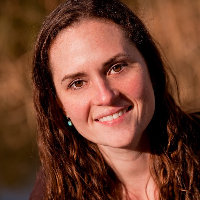
Therapist profile
Carri McClellan, LPC, LPC-MHSP
Licensed Professional Counselor - Addiction and trauma
Continue with CarriAbout
- CBT methods
- DBT skills
- EMDR for trauma
About Carri
Carri McClellan is a Licensed Professional Counselor, LPC, with 16 years of clinical experience practicing in Tennessee. She works with adults facing stress, anxiety, addictions, trauma and abuse, depression, relationship and family concerns, and parenting challenges. Her background includes work in substance use treatment and trauma-focused care.
Carri uses practical, evidence-informed methods to help people handle everyday strain and bigger crises. She draws on Cognitive Behavioral Therapy, Dialectical Behavior Therapy, and EMDR where appropriate. She also uses client-centered listening and mindfulness strategies to support emotion regulation and coping.
Sessions focus on clear goals and usable skills. She can work within harm reduction or abstinence frameworks for substance concerns, and she helps people map a recovery pathway that fits their situation. Conversations are direct and structured to produce small, steady changes over time.
Carri earned a Master of Arts in Counseling Psychology from Pacific University and a Bachelor of Arts in Psychology from The University of Tennessee. Her primary clinical work has been in substance use treatment and trauma-informed settings, which shapes how she approaches safety and relapse prevention planning.
People contact her about parenting strain, relationship stress, grief, and managing chronic life changes. She offers a straightforward, skills-oriented approach aimed at helping adults make tangible shifts in how they cope and relate at home.
If you want to proceed, follow the platform steps to match and schedule an initial session and note she does not take international clients.
How sessions work
How her approaches translate to online work
Client-Centered Therapy focuses on listening and building shared goals. Online sessions can use that same open, goal-focused conversation to identify what matters at home and what to work on next. Cognitive Behavioral Therapy (CBT) breaks problems into thoughts, behaviors, and feelings and teaches concrete skills. In an online session CBT often involves guided worksheets, behavior experiments, and short between-session tasks. Dialectical Behavior Therapy (DBT) emphasizes emotion regulation, distress tolerance, and interpersonal effectiveness skills. Those skills can be taught during sessions and practiced between meetings to help with relationship and parenting strain.Choosing which approach to use is a collaborative process. The therapist will discuss your concerns, goals, and what feels most useful. Together you decide whether to focus on skills training, trauma processing, or a mix of methods based on your needs and preferences.
Confirm the exact session formats available before booking, since the biography does not list formats. Online work can make scheduling easier and help sessions fit into busy days. It can allow for shorter check-ins, visual or audio-only meetings depending on technology, and easier access when travel or childcare make in-person visits difficult. The therapist will discuss practical options when you begin the matching and scheduling steps.
Areas of focus
Areas of expertise
Primary focus
Also works with
Additional focus areas
Therapeutic approaches
Experience
16+ years
Listed in
Washington, Oregon, Tennessee
Languages
English
Questions
Frequently asked questions
What kinds of problems does she help with?
She works with adults on stress, anxiety, addictions, trauma, depression, relationship and family concerns, parenting issues, grief, and related areas.
How would she describe her therapy style?
Her style is client-centered and skills-focused, combining listening with practical techniques from CBT, DBT, and EMDR as appropriate.
How much experience does she have?
She has 16 years of clinical experience, with significant work in substance use treatment and trauma-informed care.
What are her credentials and where is she based?
She is an LPC and LPC-MHSP and practices in Tennessee.
Does she work in languages other than English?
Sessions are offered in English.
Can people outside the United States work with her?
She is not currently accepting international clients.
What session formats are used?
Confirm current session options before booking, as the biography does not specify which formats are provided.
How do I get started with her?
Select the See online therapy options button, complete the short matching questionnaire, and then schedule a first session.
Details come from information the therapist supplied to BetterHelp. A license can be checked with the state board.
Online talk therapy is not emergency care. If anyone is in danger, use the crisis numbers.