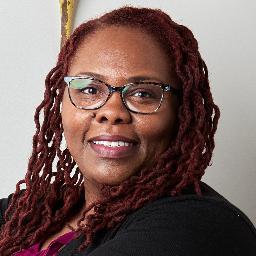
Therapist profile
Cynthia Fletcher, LCSW
LCSW focused on family and parenting concerns
Continue with CynthiaAbout
- Stress and anxiety
- Trauma and EMDR
- Parenting support
About Cynthia
Cynthia Fletcher is an LCSW (Licensed Clinical Social Worker) in Kentucky with 14 years of experience. She works with adults facing stress, anxiety, depression, trauma and abuse, relationship strain, parenting concerns, and issues connected to identity and sexuality. She also addresses addictions, grief, self-esteem, and life transitions.
She helps people set short- and long-term goals and uses a mix of traditional and nontraditional methods to do that. Sessions focus on practical steps to change patterns that feel stuck. Conversations are straightforward and aimed at helping someone regain direction in daily life.
Cynthia draws on Client-Centered Therapy to follow what matters most to the client. She uses Cognitive Behavioral Therapy to identify unhelpful thinking and try new behaviors. She also brings in Dialectical Behavior Therapy skills and Emotionally-Focused approaches for relationship and emotional regulation work, plus EMDR when trauma processing is appropriate.
Her work pays attention to family dynamics and parenting concerns, while working with the individual adult who brings those issues. She addresses attachment and abandonment themes, blended family challenges, communication and commitment problems, and intimacy-related issues in practical terms.
People seeking help for ADHD, bipolar mood concerns, compassion fatigue, body image, or grief will find direct problem-solving alongside reflective work. The approach balances skill-building and deeper processing so clients can manage symptoms and make everyday changes.
How sessions work
How therapeutic approaches are used in online sessions
Cognitive Behavioral Therapy focuses on identifying and testing unhelpful thoughts and behaviors. Online sessions can include simple exercises and homework that help change daily routines and reduce anxiety or depressive symptoms. Client-Centered Therapy centers the adult's own priorities and pacing. In an online format this means the therapist listens and follows what the client brings, then helps name goals and next steps that fit the client's life. Emotionally-Focused Therapy looks at emotional patterns that affect relationships and closeness. When relationship issues are part of the work, the therapist helps a client recognize recurring emotional cycles and try different ways of responding. Finding the right approach is part of the work together. The therapist and client decide collaboratively which methods to try based on problems, goals, and personal style. That choice can change over time as needs shift. For practicalities, the biography does not list session formats, so confirm the current options before booking. Online sessions can make it easier to fit therapy into a busy day, reduce travel time, and allow shorter check-ins when needed. They also let clients use different modes of work such as talking, practicing skills, or reviewing exercises between meetings.Areas of focus
Areas of expertise
Primary focus
Also works with
Additional focus areas
Therapeutic approaches
Experience
14+ years
Listed in
Kentucky
Languages
English
Questions
Frequently asked questions
What kinds of problems does she help with?
She supports adults dealing with stress, anxiety, depression, trauma and relationship strain, plus parenting and family-related concerns.
What is her style in sessions?
She uses a practical, goal-focused approach combining talk work and skill practice. Sessions aim to change unhelpful patterns and build coping skills.
How much clinical experience does she have?
She has 14 years of experience as a social worker providing clinical care to adults.
What are her credentials and location?
She is an LCSW licensed in Kentucky and practices from that state.
Does she see people who speak other languages or international clients?
Sessions are offered in English and she is not accepting international clients at this time.
Which session formats are available?
The original biography does not list specific session formats; please confirm current session options before booking.
How are sessions paid for?
Cost varies with location and sessions use a subscription model that can be canceled at any time.
How do I get started?
Select the See online therapy options button, complete the short matching questionnaire, and schedule a first session.
Details come from information the therapist supplied to BetterHelp. A license can be checked with the state board.
Online talk therapy is not emergency care. If anyone is in danger, use the crisis numbers.