About
- CBT techniques
- Client-centered work
- Multicultural focus
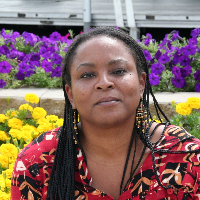
About Cynthia
Cynthia Jenkins is an LMHP (Licensed Mental Health Practitioner) with 34 years of counseling experience based in Nebraska. She has worked in university, community, and senior counseling centers and has long experience with low-income communities. Her work covers stress, anxiety, depression, addictions, relationship and family concerns, parenting, grief, trauma and abuse, and other mood and life-change issues.
She taught psychology at universities in Nebraska, Texas, and Missouri and spent over a decade training post-graduate students in material used for board exams in medicine and dentistry. She holds a Ph.D. in Social Psychology and has researched social and cultural conflicts across countries.
Cynthia describes an eclectic approach to counseling influenced by many life experiences. She draws on client-centered methods to follow what matters most to the person in front of her. She also uses cognitive behavioral techniques to work on thoughts and behaviors that keep problems in place.
Her background includes long experience as a licensed massage therapist and extensive travel to meet people from varied cultural, political, and spiritual backgrounds. That exposure informs her attention to multicultural concerns and family of origin issues.
In sessions she focuses on practical conversation and clear steps. She helps people talk through communication problems, codependency, blended family stress, grief and end-of-life matters, sexual identity concerns, and career or midlife transitions. Her style leans toward straightforward discussion and reflective work grounded in real-life situations.
How sessions work
How Cynthia’s approaches translate to online work
Cognitive Behavioral Therapy is about identifying unhelpful thought patterns and testing new behaviors. It can help with anxiety, depression, sleep problems, and parenting stress by breaking issues into concrete steps.Client-Centered Therapy focuses on listening and following the concerns a person brings. It helps people clarify what matters to them and make decisions about relationships, career, and family roles.
Dialectical Behavior Therapy offers skills for managing strong emotions and improving communication. It can be useful for anger, mood regulation, and coping during life changes.
Choosing an approach is a collaborative process. The therapist will talk with each person about their goals and preferences and then suggest which methods to try first. That fit can change over time, and she works with people to adjust the plan as needed.
The biography does not list specific online session formats, so confirm current options before booking. In general, online sessions can be practical for fitting counseling into a busy day, cutting travel time, or allowing for shorter check-ins when schedules are tight. Therapists and licensed professionals can use different approaches in remote sessions to focus on skills practice, thoughtwork, and communication exercises that translate to everyday life.
Areas of focus
Areas of expertise
Primary focus
Also works with
Additional focus areas
Therapeutic approaches
Experience
34+ years
Listed in
Nebraska
Languages
English
Questions
Frequently asked questions
What sorts of problems does she address?
She works with stress, anxiety, depression, addictions, relationship and family concerns, parenting, grief, trauma and related mood and life-change issues.
What is her general approach in sessions?
She uses an eclectic, client-centered style and also applies cognitive behavioral and dialectical behavior techniques depending on the issue.
How much clinical experience does she have?
She has 34 years of counseling experience in university, community, and senior counseling centers and in low-income community settings.
What credential does she hold and where is she located?
She is an LMHP (Licensed Mental Health Practitioner) licensed in Nebraska and practices from that state.
Does she work in languages other than English?
Sessions are offered in English.
What session formats are available?
The original biography does not list specific session formats; please confirm current session options before scheduling.
How are fees handled?
Cost varies with location and sessions use a subscription that can be canceled at any time.
How do I get started with her?
Select the See online therapy options button, complete the short matching questionnaire, and schedule a first session.
Details come from information the therapist supplied to BetterHelp. A license can be checked with the state board.
Online talk therapy is not emergency care. If anyone is in danger, use the crisis numbers.