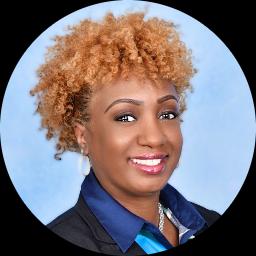
Therapist profile
Dwanne Clayton, LCSW, CSW
Licensed Clinical Social Worker - Relationships and Family
Continue with DwanneAbout
- stress and anxiety
- parenting support
- CBT and mindfulness
About Dwanne
Dwanne Clayton is a Licensed Clinical Social Worker, LCSW, licensed in Florida. She has five years of direct therapy experience helping people cope with depression, stress and anxiety, relationship issues, self-esteem struggles, and parenting concerns.
She meets adults who are dealing with big life shifts and daily strain at home. She talks through relationship problems, family conflict, grief, trauma, and issues around intimacy and sexual expression. She also works with people facing work stress, caregiver fatigue, bipolar challenges, ADHD, and struggles with sleep and anger.
Her sessions focus on practical strategies people can use between meetings. Dwanne uses techniques from cognitive behavioral therapy to change unhelpful thinking and behavior. She includes mindfulness tools to reduce stress and acceptance and commitment ideas to clarify values and next steps.
She also draws on client-centered and emotionally focused approaches to strengthen emotional awareness and communication. That combination aims to help people notice patterns, try specific changes, and build everyday coping skills.
Sessions are conducted in English and are based in Florida. The practice uses a subscription model that can be canceled at any time. To start, a person completes a short matching questionnaire and schedules a first session using the See online therapy options button.
How sessions work
Approaches used in online sessions
Acceptance and Commitment Therapy (ACT) helps people clarify what matters to them and take steps aligned with those values even when feelings are difficult. It is often useful for stress, anxiety, and life changes where someone wants clearer direction.Cognitive Behavioral Therapy (CBT) focuses on identifying unhelpful thoughts and behaviors and testing small changes. CBT can help with anxiety, low mood, sleep problems, and anger by breaking patterns that keep problems going.
Mindfulness techniques teach simple attention and breathing practices to reduce reactivity and calm the nervous system. These practices are often paired with ACT and CBT to make daily coping more manageable.
Choosing the right approach is collaborative. The therapist will talk with the person about goals, preferences, and what has worked or not worked in the past. Together they will try methods and adjust the plan based on what is helpful.
Confirm the available session formats before booking since the biography does not list them. Online therapy can make it easier to fit appointments into a busy week, avoid travel time, and try a shorter check-in when days are hectic. Licensed professionals can use these options to keep continuity of care while focusing on skills, communication, and coping strategies that apply at home.
Areas of focus
Areas of expertise
Primary focus
Also works with
Additional focus areas
Therapeutic approaches
Experience
5+ years
Listed in
Florida, Georgia
Languages
English
Questions
Frequently asked questions
What kinds of problems does she address?
She works with adults on stress, anxiety, depression, relationship and family concerns, parenting strain, grief, trauma, and related issues listed in her specialties.
How would you describe her therapeutic style?
Her style mixes client-centered listening with practical methods. She uses CBT, mindfulness, ACT, and emotionally-focused techniques to help people try real changes.
How much therapy experience does she have?
She has five years of therapy experience working directly with clients and broader professional experience in social work roles.
What are her credentials and where is she based?
She holds LCSW and CSW credentials and is licensed in Florida as an LCSW.
Does she offer sessions in other languages or to international clients?
Sessions are offered in English and international clients are not currently accepted.
What session formats are available?
Please confirm current session options before booking since formats are not specified in the biography.
How does pricing work?
Cost varies with location and sessions use a subscription model that can be canceled at any time.
What do I do to begin working with her?
Select the See online therapy options button, complete a short matching questionnaire, and schedule your first session.
Details come from information the therapist supplied to BetterHelp. A license can be checked with the state board.
Online talk therapy is not emergency care. If anyone is in danger, use the crisis numbers.