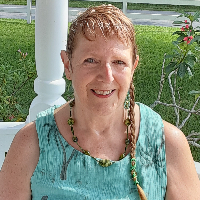
Therapist profile
Rev. Ellen Schipul, LPC
Rev. Ellen Schipul - LPC, family and parenting support
Continue with EllenAbout
- Client-Centered methods
- Mindfulness practices
- CBT and solutions
About Ellen
Rev. Ellen Schipul is a Licensed Professional Counselor (LPC) in Pennsylvania with 18 years of experience. She works with adults on stress, anxiety, trauma and abuse, grief, self-esteem, relationship difficulties, family and parenting concerns, mood disorders, and ADHD. Sessions are offered in English and international clients are accepted.
She combines practical talk with attention to how the body and feelings show up. Ellen draws from Client-Centered methods and mindfulness practices to help people notice thoughts and patterns. She also uses cognitive behavioral tools to test thinking habits and solution-focused techniques to set small, manageable goals.
Her background includes many years as an ordained interfaith minister and pastoral counselor. That history informs how she treats spiritual beliefs in therapy - clients may bring their own faith or sense of meaning into discussion when they choose. Ellen describes a broad interest in healing that links thoughts, body responses, and a person’s sense of meaning.
In sessions she tends to offer practical exercises along with reflective conversation. That can mean short mindfulness practices, grounding that invites attention to body sensations, or steps to shift unhelpful thinking. She also uses approaches meant to reduce reactivity and improve daily functioning.
People often come for help with family-of-origin issues, blended-family strains, caregiving stress, abandonment wounds, and difficulties after separation. Ellen lists experience working with grief, fertility concerns, care for aging relatives, and forgiveness work among her focus areas.
How sessions work
Approaches to online sessions and how they help
Client-Centered Therapy focuses on clear listening and reflection. It helps people feel heard and organize what matters most in their life. Cognitive Behavioral Therapy (CBT) looks at thinking patterns and practical steps to change them. It is useful for managing anxiety, mood, and habits that cause stress. Mindfulness Therapy brings attention to present-moment experience through brief practices. It can reduce reactivity and support coping with grief or overwhelming feelings.Finding the right mix of methods is part of the work. The therapist will collaborate with the client to choose approaches that match the person's goals, needs, and what feels workable. Sessions can shift over time as progress or priorities change, and choices about methods are revisited together.
Confirm the current online session options before booking, as specific formats are not listed in the biography. Online work can make it easier to fit sessions into daily life, such as shorter check-ins during a lunch break, avoiding travel time, or choosing a session that does not require being on camera. Licensed professionals can use a range of techniques over video or phone, including guided mindfulness, CBT worksheets, somatic grounding exercises, and solution-focused planning that translate to home routines.
Areas of focus
Areas of expertise
Also works with
Additional focus areas
Therapeutic approaches
Experience
18+ years
Listed in
Pennsylvania
Languages
English
Questions
Frequently asked questions
What kinds of problems does she help with?
She works with stress, anxiety, trauma and abuse, grief, self-esteem, family and parenting issues, mood disorders including bipolar and depression, and ADHD among other concerns.
How would she approach my situation?
The approach combines Client-Centered listening with mindfulness and cognitive behavioral tools. Sessions mix reflective conversation with practical exercises and steps to change patterns.
How much clinical experience does she have?
She has 18 years of professional experience providing counseling and related pastoral work.
What credential does she hold and where does she practice?
She is a Licensed Professional Counselor (LPC) in Pennsylvania and lists that credential as her professional qualification.
Can sessions be held in languages other than English?
Sessions are offered in English.
Does she work with people outside the United States?
International clients are accepted, so people outside the U.S. may be able to work with her.
How are sessions arranged and what formats are used?
Confirm current session options before booking, as the biography does not list specific formats. Please check the therapist's session listing when scheduling.
What does therapy cost and how do I begin?
Cost varies with location and sessions use a subscription that can be canceled at any time. To start, select the See online therapy options button, complete the short matching questionnaire, and schedule a first session.
Details come from information the therapist supplied to BetterHelp. A license can be checked with the state board.
Online talk therapy is not emergency care. If anyone is in danger, use the crisis numbers.