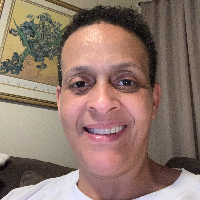
Therapist profile
Eugenia Davis, LCMHC
Licensed counselor - Family and parenting concerns
Continue with EugeniaAbout
- Stress and anxiety
- Addictions focused
- Mindfulness and CBT
About Eugenia
Eugenia Davis is a Licensed Clinical Mental Health Counselor (LCMHC) practicing in North Carolina with 22 years of clinical experience. She works with people facing stress, anxiety, addictions, relationship and family concerns, depression, trauma and abuse, grief, parenting strain, ADHD and other mood or behavior challenges. She also notes experience with intimacy issues, anger, self-esteem, bipolar disorder, and LGBT-related concerns.
She holds a Master of Science in Mental Health Counseling from St. Thomas University and a Bachelor of Arts in Criminal Justice from Florida Atlantic University. Eugenia has spent more than two decades working in mental health and with substance use clients, and she has worked across settings that included foster care, correctional populations, and diverse age groups.
In sessions she speaks plainly and helps people notice patterns in their thinking and behavior. She uses conversational work to help clients test different perspectives and to try new responses. She avoids handing out ready-made answers and instead acts as an objective sounding board while guiding practical next steps.
Her approach draws on several methods, including client-centered listening, cognitive behavioral ideas, emotionally-focused techniques, mindfulness, and motivational interviewing. Those methods are used to address immediate coping needs, relationship frustrations, and longer-term behavior change.
People who prefer clear, direct feedback and practical tools may find her style helpful. Before booking, confirm current session options and scheduling details.
How sessions work
How her approaches translate to online work
Client-Centered Therapy focuses on listening and reflecting. The therapist offers nonjudgmental attention and encourages clients to steer sessions toward what matters most to them. This approach can help with relationship concerns, parenting strain, and general stress by clarifying priorities and feelings.Cognitive Behavioral Therapy (CBT) looks at how thoughts, feelings and behaviors interact. Sessions include identifying unhelpful thinking patterns and trying practical experiments to change reactions. CBT is often used for anxiety, depression, stress, and coping with life changes.
Emotionally-Focused Therapy (EFT) helps people notice emotional responses and how those responses shape interactions. It can be useful when someone struggles with intimacy, attachment issues, or recurring relationship patterns.
Finding the right approach is part of the work. The therapist collaborates with each person to choose which methods to use based on needs, goals, and preferences. That choice can change as progress is made and new challenges appear.
Confirm the specific session formats available before booking, since formats are not listed in the profile. Online sessions can make it easier to fit therapy into busy days, allow for shorter check-ins when schedules demand, and remove travel time. Talk with the therapist about how to structure sessions so they fit practical life demands.
Areas of focus
Areas of expertise
Primary focus
Also works with
Additional focus areas
Therapeutic approaches
Experience
22+ years
Listed in
North Carolina
Languages
English
Questions
Frequently asked questions
What kinds of problems does she help with?
Eugenia works with stress, anxiety, addictions, relationship and family concerns, depression, trauma and abuse, grief, parenting issues, ADHD and related areas listed in her profile.
How would she describe her therapeutic style?
She uses a straightforward, conversational style that helps people notice patterns and try different perspectives rather than giving direct answers.
How much experience does she have?
She has 22 years of experience working in the mental health field and with substance use clientele across multiple settings.
What are her credentials and where is she based?
She is an NC LCMHC (Licensed Clinical Mental Health Counselor) practicing in North Carolina.
Can sessions be conducted in other languages or internationally?
Sessions are offered in English and she accepts international clients.
What session formats are available?
Please confirm current session options before booking since the profile does not list specific formats.
How does payment work and what does it cost?
Cost varies with location and sessions use a subscription that can be canceled at any time.
What do I need to do to get started?
Select the See online therapy options button, complete the short matching questionnaire, and schedule a first session.
Details come from information the therapist supplied to BetterHelp. A license can be checked with the state board.
Online talk therapy is not emergency care. If anyone is in danger, use the crisis numbers.