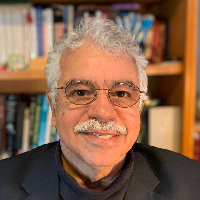
Therapist profile
Franklin Cardona, LPC
LPC focused on family and relationship concerns
Continue with FranklinAbout
- Stress and anxiety
- EMDR for trauma
- CBT and attachment
About Franklin
Franklin Cardona is a Licensed Professional Counselor (LPC) in Tennessee with 25 years of clinical experience. He works with adults who are dealing with stress, anxiety, addictions, trauma and abuse, depression, relationship and family concerns, parenting strain, anger, self-esteem issues, and other life changes. He speaks English and Spanish and accepts international clients.
He favors a straightforward, person-focused approach. He listens first and then uses practical tools to address problems. Franklin often blends techniques rather than relying on a single method. Sessions tend to focus on concrete steps clients can try between meetings.
His work draws on cognitive behavioral ideas to identify patterns of thought and behavior that make problems stick. He also uses attachment-based ideas to look at how early relationships shape current connections. Franklin incorporates EMDR when trauma symptoms are a central concern and when it suits the client's goals.
Before moving into private practice he worked in hospitals and clinics supporting people with dual diagnosis, depression, anxiety, grief, and loss. He also has long experience working with soldiers and civilians with PTSD from 2007 to 2020. That time shaped the way he approaches trauma-related symptoms and recovery.
Franklin holds a PhD in Education from Michigan State University, which focused on conflict management. He also has certifications related to sexual addiction, alcoholism, and eating disorders. In sessions he draws on those areas when relevant to a client's concerns.
How sessions work
How therapeutic approaches are used online
Franklin commonly uses cognitive behavioral therapy and EMDR as part of his work. Cognitive behavioral therapy (CBT) focuses on identifying unhelpful thoughts and trying new behaviors to change how daily problems feel. It is often used for anxiety, depression, and stress. EMDR involves structured processing of traumatic memories and related reactions; it is used when trauma symptoms are a prominent concern and a client and therapist agree it is appropriate.He also draws on attachment-based ideas to consider how early relationship patterns influence current connections and conflicts. Deciding which approaches to use is a collaborative process. Franklin will talk with the client about goals, try methods that fit those goals, and adjust the plan based on what helps most.
Confirm the available session formats before booking, since the biography does not list specific formats. Online work can make it easier to fit appointments into a busy day, allow shorter check-ins when needed, and remove commuting time. If EMDR or other methods are agreed on, the therapist will explain how those approaches are adapted for remote sessions and what practical steps are needed to prepare.
Areas of focus
Areas of expertise
Primary focus
Also works with
Additional focus areas
Therapeutic approaches
Experience
25+ years
Listed in
Tennessee
Languages
English, Spanish
Questions
Frequently asked questions
What kinds of family concerns does he address?
He helps people with relationship and family issues, parenting strain, communication problems, and divorce or separation-related challenges.
What is his therapy style like?
He takes a person-centered, practical approach and blends methods to suit the issue. Sessions focus on listening, problem-solving, and action steps to try between meetings.
How long has he been practicing?
He has 25 years of clinical experience, including work in hospitals and clinics and a period supporting soldiers and civilians with PTSD from 2007 to 2020.
What are his credentials and where is he based?
He is a Licensed Professional Counselor (LPC) practicing in Tennessee and holds a PhD in Education from Michigan State University.
Which languages are sessions offered in?
Sessions are offered in English and Spanish.
Can international clients work with him?
He accepts international clients; confirm session logistics and any regional requirements before booking.
How are sessions paid for?
Cost varies by location and sessions use a subscription model that can be canceled at any time.
How do I begin or schedule a first session?
Start by selecting the See online therapy options button, complete the short matching questionnaire, and then schedule your initial session.
Details come from information the therapist supplied to BetterHelp. A license can be checked with the state board.
Online talk therapy is not emergency care. If anyone is in danger, use the crisis numbers.