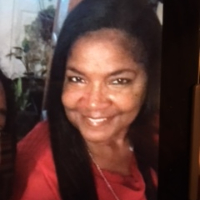
Therapist profile
Gwendolyn Scrutchins, LPC
Licensed Professional Counselor - Stress and family concerns
Continue with GwendolynAbout
- CBT methods
- EMDR for trauma
- Motivational interviewing
About Gwendolyn
Gwendolyn Scrutchins is a Licensed Professional Counselor (LPC) in Georgia with nine years of clinical experience. She has worked extensively in correctional settings and brings that background to helping adults manage stress, anxiety, depression, substance concerns, trauma, and parenting strain.
She commonly helps people who are coping with mood disorders such as bipolar disorder, grief, addictions, and sleep problems. She also supports adults facing relationship and intimacy-related concerns, communication problems, and the stress of caregiving or blended family issues. ADHD, body image, and effects of past abuse are also within her caseload.
Her style emphasizes active listening and direct, respectful communication. Sessions tend to focus on practical skills, clearer thinking patterns, and processing difficult experiences. She does not stereotype clients and aims to treat each person with regard for their specific circumstances.
Gwendolyn uses a mix of approaches depending on the issue. She draws on Cognitive Behavioral Therapy (CBT) to identify and change unhelpful thoughts and behaviors. She also uses Emotionally-Focused Therapy (EFT) ideas to look at how emotions shape relationships and interactions. Eye Movement Desensitization and Reprocessing (EMDR) is part of her toolkit for processing trauma when appropriate.
In her prior work she prepared treatment plans, progress notes, and administrative reports alongside clinical care. That experience informs a structured approach to goal setting and tracking progress. To begin, follow the online matching and scheduling steps to set up an initial session.
How sessions work
Therapeutic approaches and online sessions
Gwendolyn commonly uses Cognitive Behavioral Therapy (CBT) and Eye Movement Desensitization and Reprocessing (EMDR) in her work. CBT helps by identifying thought and behavior patterns that maintain stress or low mood and then teaching concrete skills to change them. EMDR involves structured processing of distressing memories and can be used when trauma-related symptoms are prominent.She also draws on Emotionally-Focused Therapy (EFT) ideas to look at how emotions influence interactions and relationship patterns. Choosing which approach to use is a collaborative process. The therapist and client discuss goals, preferences, and how symptoms show up, then pick methods that fit those needs.
The original biography does not list specific session formats. Before booking, confirm which formats she is offering so you know what to expect. Online work can make sessions easier to fit into a busy day, allow shorter check-ins when needed, and reduce travel time. Licensed professionals can adapt the chosen approaches to remote sessions, focusing on skill practice, processing, and tracking progress in ways that suit your schedule.
Areas of focus
Areas of expertise
Primary focus
Also works with
Additional focus areas
Therapeutic approaches
Experience
9+ years
Listed in
Georgia
Languages
English
Questions
Frequently asked questions
What types of problems does she address?
She works with adults facing stress, anxiety, depression, bipolar symptoms, addictions, trauma, grief, parenting strain, relationship and family-related concerns, and sleep or attention issues.
How would she describe her therapeutic style?
Her approach emphasizes active listening and respectful communication. She focuses on practical skills and clearer thinking patterns and tailors methods to the problem at hand.
How many years has she been practicing?
She has nine years of experience, including significant work as a mental health counselor in correctional settings.
What credentials and location are listed?
She is an LPC licensed in Georgia, United States.
Are sessions available in other languages or internationally?
Sessions are offered in English. International clients are not currently accepted.
What session formats are offered?
The original biography does not specify session formats. Confirm current session options before booking to know whether she offers phone, video, or in-person sessions.
How are fees handled?
Cost varies with location. Sessions use a subscription that can be canceled at any time.
How do I begin working with her?
Start by selecting the See online therapy options button, complete the short matching questionnaire, and schedule a first session.
Details come from information the therapist supplied to BetterHelp. A license can be checked with the state board.
Online talk therapy is not emergency care. If anyone is in danger, use the crisis numbers.