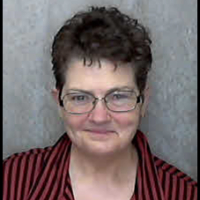
Therapist profile
Julie Elliott, LCSW-C, LCSW
LCSW-C therapist - family and parenting concerns
Continue with JulieAbout
- Attachment-based work
- CBT techniques
- Emotion-focused methods
About Julie
Julie Elliott is a Licensed Certified Social Worker in Maryland and a Licensed Clinical Social Worker with multiple state registrations, with 35 years of clinical experience. She practices in Texas and has worked internationally in Canada and the South Pacific. Her listed concerns include stress, anxiety, relationship and family issues, trauma and abuse, depression, addictions, grief, parenting, and related topics.
Julie draws on many different clinical approaches to help people address everyday problems at home. She uses attachment-based ideas to look at how relationships shape feelings and behavior. She also uses cognitive behavioral techniques to help shift thinking patterns that feed anxiety and low mood. Emotion-focused methods are part of her work when emotion regulation and closeness are central concerns.
Her sessions are conversational and goal oriented. She listens for what is causing strain and helps people practice clearer communication and coping skills. Practical work may include identifying patterns, trying new ways of responding, and small behavior or schedule changes to improve sleep, eating, or stress.
Julie has long experience with addiction concerns and trauma-related problems. She also lists topics such as intimacy issues, body image, caregiving stress, blended family dynamics, and grief among her focus areas. Her background includes early roles in crisis intervention and work with sexual trauma and PTSD.
People choosing to work with her first complete a brief matching questionnaire and then schedule a first session. Costs vary with location and sessions use a subscription model that can be canceled at any time. International clients are accepted and sessions are offered in English.
How sessions work
How her approaches translate to online work
Attachment-based therapy focuses on how early and current relationships affect feelings and responses. It looks at patterns in close relationships and helps people try different ways of relating when trust or connection feels strained. Cognitive Behavioral Therapy, or CBT, targets unhelpful thoughts and behaviors. It helps people notice automatic thinking, test beliefs, and practice small changes to reduce anxiety or lift mood.Finding the right approach tends to be collaborative. The therapist will discuss goals and try methods that fit the person's needs and preferences. That may mean using more emotion-focused work when feelings are the main problem or leaning on CBT for clearer behavioral steps.
The biography does not list specific online formats, so confirm the session options before booking. Many people find remote sessions help them fit therapy into busy home lives - for example, scheduling shorter check-ins during a work break, avoiding travel time, or choosing phone sessions when bandwidth is limited. Licensed professionals can adapt exercises, communication practice, and homework to suit the practical demands of daily life.
Areas of focus
Areas of expertise
Primary focus
Also works with
Additional focus areas
Therapeutic approaches
Experience
35+ years
Listed in
Texas, Connecticut, Maryland, New Hampshire
Languages
English
Questions
Frequently asked questions
What kinds of concerns does she address?
She lists stress, anxiety, relationship and family concerns, trauma and abuse, depression, addictions, grief, parenting, and related areas among her focus.
How would you describe her therapeutic style?
Her approach is conversational and practical, combining attachment ideas, CBT tools, and emotion-focused work to address patterns and coping skills.
How much clinical experience does she have?
She has 35 years of clinical experience, including work in Texas, Canada, and the South Pacific.
What credentials and location are listed?
She holds LCSW-C and LCSW designations and practices from Texas while maintaining multiple state registrations.
In which language can sessions be held?
Sessions are offered in English and international clients are accepted.
What session formats are available?
The original biography does not specify session formats; please confirm current session options before booking.
How is cost handled?
Cost varies with location and sessions use a subscription that can be canceled at any time.
How do I begin working with her?
Start by selecting the See online therapy options button, completing a short matching questionnaire, and scheduling a first session.
Details come from information the therapist supplied to BetterHelp. A license can be checked with the state board.
Online talk therapy is not emergency care. If anyone is in danger, use the crisis numbers.