About
- Stress and anxiety
- Addiction and mood
- Caregiver issues
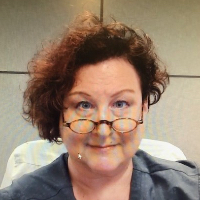
About Kim
Kim Padula is a Tennessee licensed clinical social worker (LCSW) with 26 years of practice. She works with adults facing stress, anxiety, depression, addictions, grief, relationship and family concerns, and the pressures of caregiving and midlife change.
She keeps sessions direct and practical. Early work focuses on your history and the relationships that shaped you. Together you set clear objectives and a plan for therapy that can be reviewed and changed as needed.
Her approach is strengths-based. She looks at what a person already does well and what creates struggle. Therapy aims to increase perspective, build accountability, and widen choices in how to respond to life’s stressors.
Techniques draw on client-centered methods, cognitive behavioral therapy (CBT), dialectical behavior therapy (DBT), existential and Jungian ideas, and mindfulness. She uses these approaches to help with mood issues, panic, addiction, codependency, communication problems, and caregiver stress.
Sessions are collaborative and practical. Expect a clear review of your background, agreed goals, and periodic check-ins to see how the plan is working. The work emphasizes real-life changes as well as insight.
Kim studied psychology at Vanderbilt University and earned a master’s in clinical social work. She encourages questions and suggests completing the site’s matching steps to schedule a first session.
How sessions work
Therapeutic approaches and working online
Client-centered therapy focuses on the client’s perspective and strengths. It involves listening, reflecting, and helping people clarify their own goals and values. This approach can help with relationship stress, low self-esteem, and life transitions.Cognitive behavioral therapy (CBT) helps identify thoughts and behaviors that keep problems going. It uses practical exercises and skill practice to reduce anxiety, depression, panic, and mood symptoms. Dialectical behavior therapy (DBT) offers skills for emotion regulation, distress tolerance, and clearer communication when feelings run high.
Finding the right approach is part of the work. The therapist will discuss options and collaborate with the client to decide which methods fit the person’s needs, goals, and preferences. Plans can be adjusted as progress is reviewed.
Confirm which session formats are currently offered before booking, since the biography does not list them. Online sessions can make it easier to fit therapy around caregiving, work, and daily routines. They can also allow shorter check-ins, reduce travel time, and let people join from a quieter setting when that helps focus on the work.
Areas of focus
Areas of expertise
Primary focus
Also works with
Additional focus areas
Therapeutic approaches
Experience
26+ years
Listed in
Tennessee
Languages
English
Questions
Frequently asked questions
What kinds of problems does she help with?
She works with adults on stress, anxiety, depression, addictions, grief, relationship and family concerns, and caregiver stress.
What is her therapy style like?
Her style is practical and collaborative, starting with your history and moving to clear goals and a plan you both review.
How many years has she been practicing?
She has 26 years of clinical practice experience since first becoming licensed in 1995.
What are her credentials and where is she based?
She is an LCSW licensed in Tennessee and maintains practice there.
Does she offer sessions in other languages or to international clients?
Sessions are offered in English and she accepts international clients.
What session formats are available?
Please confirm current session options before booking, as formats are not specified in the biography.
How is cost handled?
Cost varies with location and sessions use a subscription that can be canceled at any time.
How do I get started?
Select the See online therapy options button, complete the short matching questionnaire, and schedule a first session.
Details come from information the therapist supplied to BetterHelp. A license can be checked with the state board.
Online talk therapy is not emergency care. If anyone is in danger, use the crisis numbers.