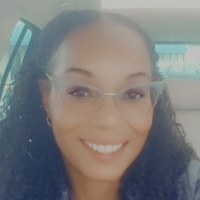
Therapist profile
Marsha Hicks (Richards), LCSW
Licensed Clinical Social Worker - Family and parenting focus
Continue with MarshaAbout
- Attachment-based work
- CBT and DBT skills
- Addiction and dual diagnoses
About Marsha
Marsha Hicks (Richards) is a Licensed Clinical Social Worker, FL LCSW, with 21 years of clinical experience. She earned a Master’s Degree in Social Work from Stony Brook University and has worked in both inpatient and outpatient settings. She focuses on common concerns such as stress, anxiety, depression, addiction, grief, relationship strain, parenting challenges, and sleep problems.
Marsha helps people who are juggling mental health and substance use concerns. She also addresses trauma and abuse, intimacy-related issues, anger, bipolar disorder, ADHD, and the wear of caregiving or compassion fatigue. Her practice includes attention to attachment and abandonment issues, adoption and foster care matters, and older adult concerns when they arise.
Her work combines Attachment-Based Therapy, Client-Centered approaches, Cognitive Behavioral Therapy (CBT), Dialectical Behavior Therapy (DBT), and existential ideas. She draws on humanistic psychology and uses techniques chosen to fit what each person brings. Sessions tend to focus on practical skills, understanding relationship patterns, and addressing unhelpful thinking.
Marsha has experience with dual diagnoses, supporting people who face both mental health and addiction challenges. She has led and taken part in group and individual treatment across different care settings. That background informs how she plans care and supports coping strategies.
People can expect straightforward, skills-focused conversations about what’s going on at home and what feels overwhelming. To confirm current session options before booking, readers should follow the online process and review available formats and scheduling details.
How sessions work
How her approaches translate to online work
Attachment-Based Therapy looks at how early relationships shape current patterns. Online sessions can be used to notice how a person connects, manages closeness, and responds to relationship stress. Cognitive Behavioral Therapy (CBT) focuses on the links between thoughts, feelings, and actions and teaches concrete skills to change unhelpful thinking and behavior. CBT work online often includes short exercises and homework to practice between sessions. Dialectical Behavior Therapy (DBT) teaches emotion regulation, distress tolerance, and interpersonal effectiveness skills. Those skills can be practiced in conversation and with brief behavioral experiments discussed in session.Finding the right approach is part of therapy. The therapist will work collaboratively with the client to decide which methods fit their goals, needs, and preferences. Sessions may shift over time as problems change and as skills are learned.
The biography does not list specific session formats, so confirm available options before booking. Online work can make it easier to fit sessions into a busy day, allow for shorter check-ins when needed, and reduce travel time. It can also let someone use fewer technical resources by choosing audio-only or lower-bandwidth options if those are offered. Ask about format choices when scheduling so sessions match practical constraints.
Areas of focus
Areas of expertise
Primary focus
Also works with
Additional focus areas
Therapeutic approaches
Experience
21+ years
Listed in
Florida
Languages
English
Questions
Frequently asked questions
What kinds of problems does she help with?
She helps with stress, anxiety, depression, addictions, grief, relationship and family concerns, parenting challenges, trauma, and related issues such as ADHD and sleep problems.
What is her therapeutic style like?
Her style blends Attachment-Based, Client-Centered, CBT and DBT approaches with existential ideas. The focus is on practical skills and understanding relationship patterns.
How much clinical experience does she have?
She has 21 years of experience working in inpatient and outpatient settings since earning her MSW in social work.
What are her credentials and where is she based?
She is a Licensed Clinical Social Worker, FL LCSW, and is based in Florida.
Can I see her if I live outside the United States?
She accepts international clients. Sessions are offered in English.
What session formats are available?
Session formats are not specified in the biography. Confirm current session options before booking through the online process.
How are fees handled?
Cost varies with location and sessions use a subscription that can be canceled at any time.
How do I begin working with her?
Use the See online therapy options button, complete a short matching questionnaire, and schedule a first session.
Details come from information the therapist supplied to BetterHelp. A license can be checked with the state board.
Online talk therapy is not emergency care. If anyone is in danger, use the crisis numbers.