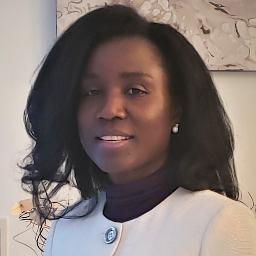
Therapist profile
Maurvet Minto, LPC
LPC counselor - family and parenting concerns
Continue with MaurvetAbout
- Stress and anxiety
- Parenting support
- CBT and mindfulness
About Maurvet
Maurvet Minto is an LPC (Licensed Professional Counselor) practicing in Georgia with 14 years of experience. She focuses on concerns people often face at home and in daily life, including stress, anxiety, depression, parenting, relationship strain, grief, addictions, and self-esteem issues.
Minto writes plainly about the effects of broken relationships, trauma, and hardship. She draws on a mix of clinical approaches to address what each person brings. Sessions move at a practical pace - identifying immediate problems, learning coping skills, and testing what helps in day-to-day life.
Her background includes a master’s degree in Clinical Counseling from Bellevue University and military service in the United States Army. That experience informs how she talks about resilience, structure, and recovery from difficult situations.
In practice she uses client-centered methods alongside Cognitive Behavioral Therapy, Existential Therapy, mindfulness, and motivational interviewing. These approaches are used to help people develop coping skills, rebuild self-worth, and manage mood or anxiety symptoms.
Minto also notes familiarity with family systems and how family roles affect mental health. She addresses topics such as abandonment, adoption and foster care, aging and geriatric concerns, communication problems, codependency, divorce and separation, and first responder issues.
The focus is on clear steps clients can take between sessions. Work often includes skill building, practical problem solving, and conversations that help people make sense of their relationships and life changes.
How sessions work
How therapeutic approaches translate to online work
Client-Centered Therapy centers on the person’s own goals and perspectives. The therapist listens closely, reflects what she hears, and helps the client name priorities and next steps; this can help with issues like self-esteem, grief, or parenting frustration. Cognitive Behavioral Therapy (CBT) focuses on practical skill building. It looks at thoughts, behavior, and feeling patterns and teaches concrete strategies for anxiety, depression, and coping with life changes. Existential Therapy addresses meaning and values. It helps people facing big life questions, transitions, or feelings of emptiness by clarifying priorities and choices.Choosing an approach is a collaborative process. The therapist will discuss goals and preferences, try different techniques, and adjust the plan based on what the client finds helpful. That shared testing helps narrow in on the best mix of methods for each person.
Confirm the current session formats before booking. Once confirmed, online work can make it easier to fit therapy into a busy home life and day-to-day routines. It can reduce travel time, allow for shorter check-ins when schedules are tight, and let people use methods like CBT homework or mindfulness practices between sessions. Licensed professionals often adapt interventions to fit the practical realities of clients' days, focusing on achievable steps and skills that transfer into everyday life.
Areas of focus
Areas of expertise
Primary focus
Also works with
Additional focus areas
Therapeutic approaches
Experience
14+ years
Listed in
Georgia
Languages
English
Questions
Frequently asked questions
What kinds of home or family concerns does she address?
She works with stress, relationship strain, parenting challenges, family problems, and related topics like grief and addiction.
How would she approach conflict with a partner or parent?
She uses practical conversations that look at communication patterns and teaches skills to manage anger, control issues, and codependent behavior.
What is her relevant background and experience?
She holds a master’s degree in Clinical Counseling from Bellevue University, served in the United States Army, and has 14 years of clinical experience.
What credential does she hold and where does she practice?
She is an LPC (Licensed Professional Counselor) licensed in Georgia and practices with that credential.
Can sessions be conducted in languages other than English?
Sessions are offered in English.
Does she work with international clients?
She accepts international clients according to the stated practice details.
How are fees handled?
Cost varies with location, and sessions use a subscription that can be canceled at any time.
How do I begin a first session?
Use the See online therapy options button, complete the short matching questionnaire, and schedule a first session.
Details come from information the therapist supplied to BetterHelp. A license can be checked with the state board.
Online talk therapy is not emergency care. If anyone is in danger, use the crisis numbers.