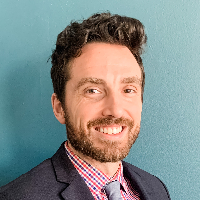
Therapist profile
Michael Maddock, LMHC, LPC
LMHC and LPC - Family and relationship concerns
Continue with MichaelAbout
- Stress and anxiety
- Parenting support
- Coping with grief
About Michael
Michael Maddock is a licensed mental health counselor (LMHC) and licensed professional counselor (LPC) with 15 years of experience in clinical settings. He lists stress, anxiety, relationship strain, family concerns, trauma and abuse, depression, grief, intimacy issues, eating concerns, parenting stress, anger, self-esteem, career questions, bipolar disorder, life changes, and ADHD among the issues he addresses.
He uses a straightforward, collaborative approach in sessions. He listens for what matters most and helps people develop practical steps they can try between meetings. Sessions often focus on changing unhelpful patterns, improving communication, and building coping strategies that fit daily life.
Michael draws on Client-Centered Therapy to center the person's perspective and on Cognitive Behavioral Therapy (CBT) to identify and shift thoughts and behaviors that cause distress. He also uses Existential ideas to look at meaning and motivation, and the Gottman Method for relationship communication where relevant. Motivational Interviewing is used when people want to make change but feel stuck.
His background includes work with a wide age range of clients and roles that involve psychiatric assessment tools and evidence-based treatments. He completed a master’s degree at the University of Central Florida in 2011 and has provided telehealth services for more than five years.
People who bring concerns about parenting, family strain, or intimacy-related problems can expect practical discussion, measurable goals, and regular review of progress. For session options and current formats, confirm the available choices before booking.
How sessions work
How therapeutic approaches are used in online sessions
Client-Centered Therapy focuses on the person’s perspective. The therapist listens closely and reflects back what matters most, which helps clarify priorities and build trust. This approach often supports people dealing with relationship and family strain.Cognitive Behavioral Therapy, or CBT, helps identify thoughts and behaviors that keep problems going. Sessions include simple experiments, skill practice, and homework to reduce anxiety, manage mood, or change unhelpful patterns. CBT is often used for stress, anxiety, and mood concerns.
Existential therapy looks at meaning, responsibility, and choice. It can help when life changes or questions about purpose make daily life feel heavy. Michael uses these ideas alongside other methods to address big life questions and motivation.
Finding the right approach is part of the work. The therapist will collaborate with each person to decide which methods fit their goals and preferences. That may mean combining techniques, trying an approach for a few sessions, and adjusting based on what helps.
Confirm the specific session formats offered before you book. The biography indicates more than five years of telehealth experience, but it does not list exact formats here. When formats are clarified, online sessions can make it easier to fit meetings into busy days, allow shorter check-ins, and reduce travel time so therapy can be scheduled around parenting and work commitments.
Areas of focus
Areas of expertise
Primary focus
Also works with
Additional focus areas
Therapeutic approaches
Experience
15+ years
Listed in
Pennsylvania, Florida
Languages
English
Questions
Frequently asked questions
What kinds of home and family concerns does he address?
He lists relationship strain, family issues, parenting stress, intimacy-related problems, communication problems, and divorce and separation among his focus areas.
How does he typically approach therapy?
He uses a collaborative, pragmatic style that mixes Client-Centered Therapy and CBT with other approaches to change patterns and set achievable goals.
How much clinical experience does he have?
He has 15 years of clinical experience and completed a master’s degree at the University of Central Florida in 2011.
What are his professional credentials and location?
He holds LMHC and LPC credentials and is based in Pennsylvania with licensure details listed as FL LMHC and PA LPC.
Can I work with him if I live outside the United States?
Sessions are offered in English and he accepts international clients; confirm any regional or scheduling considerations when you book.
What session formats does he offer?
His biography notes he has provided telehealth services for more than five years; please confirm current session formats before booking.
How are sessions paid for?
Cost varies with location and sessions use a subscription model that can be canceled at any time.
How do I begin a first session?
Select the See online therapy options button, complete a short matching questionnaire, and schedule a first session.
Details come from information the therapist supplied to BetterHelp. A license can be checked with the state board.
Online talk therapy is not emergency care. If anyone is in danger, use the crisis numbers.