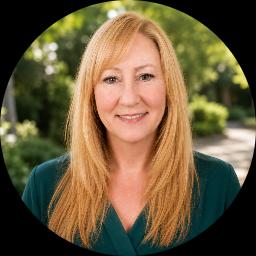
Therapist profile
Michelle Newton, LMHC
LMHC in Washington - Relationships and Parenting concerns
Continue with MichelleAbout
- Stress and anxiety
- ADHD and autism support
- Attachment focused work
About Michelle
Michelle Newton is a Licensed Mental Health Counselor (LMHC) practicing in Washington with 18 years of experience. She focuses on stress, anxiety, relationship strain, trauma and abuse, parenting concerns, and ADHD. Sessions are aimed at adults who are feeling overwhelmed by parenting, difficult relationships, or the weight of past events.
Michelle uses practical approaches people can use between sessions. She draws on cognitive behavioral strategies to change unhelpful thinking and behavior. She also uses acceptance and commitment ideas to help people clarify values and take meaningful steps. Attachment-informed work is used to look at patterns in close relationships and how they shape current difficulties.
Her style is straightforward and down-to-earth. Conversations tend to focus on concrete tools, emotion regulation skills, and clearer communication. She helps people identify small changes that reduce daily stress and improve interactions at home.
Michelle has worked with adults facing a wide range of concerns connected to family life. These include blended family issues, caregiver stress, divorce and separation, and communication or commitment problems. She also has experience with chronic illness, dissociation, and co-morbidity alongside ADHD or autism.
The first sessions typically involve describing concerns, current routines, and immediate goals. From there she and the client pick approaches that fit the situation and lifestyle. People leave sessions with actionable steps, not just talk, and with tools to use between visits.
How sessions work
How Michelle's approaches fit into online work
Acceptance and Commitment Therapy (ACT) helps people clarify what matters to them and take small, value-driven steps. It can be useful for parenting stress, anxiety, and when someone wants clearer priorities rather than just symptom relief. Cognitive Behavioral Therapy (CBT) focuses on practical techniques to notice and change unhelpful thoughts and behaviors. CBT is often used for anxiety, stress management, and addressing patterns that affect daily routines. Attachment-Based Therapy looks at how earlier relationship patterns show up now and offers ways to change familiar interaction habits that cause conflict or withdrawal.Finding the right mix of methods is part of the work. The therapist will collaborate with each client to choose approaches that match their goals, preferences, and life demands. That may mean focusing on skills one week and values or attachment patterns the next.
Session logistics should be confirmed before booking because the biography does not list specific online formats. In practice, online sessions can make it easier to fit meetings into busy days, allow shorter check-ins when needed, and remove travel time. Many people find that working remotely helps them maintain consistency with appointments and apply tools between sessions in the same settings where challenges occur.
Areas of focus
Areas of expertise
Primary focus
Additional focus areas
Therapeutic approaches
Experience
18+ years
Listed in
Washington
Languages
English
Questions
Frequently asked questions
What kinds of problems does she help with at home?
She works with adults dealing with stress, anxiety, relationship strain, parenting challenges, trauma and ADHD related concerns.
What approach does she use in sessions?
Sessions use practical methods such as CBT, ACT, DBT skills, attachment-informed and client-centered techniques focused on real-life tools and behavior changes.
How long has she been practicing?
She has 18 years of clinical experience working with adults on a range of family and personal issues.
What are her credentials and where is she based?
She is an LMHC licensed in Washington and practices from that state.
Can she work with people who speak other languages or live abroad?
Sessions are offered in English and she does not accept international clients at this time.
Which session formats are offered?
Please confirm current session options before booking, as the biography does not list specific formats.
How are sessions paid for and what does it cost?
Cost varies with location; sessions use a subscription that can be canceled at any time.
How do I begin if I want to meet with her?
Use the See online therapy options button, complete a short matching questionnaire, and schedule a first session.
Details come from information the therapist supplied to BetterHelp. A license can be checked with the state board.
Online talk therapy is not emergency care. If anyone is in danger, use the crisis numbers.