About
- CBT methods
- DBT skills
- Mindfulness practice
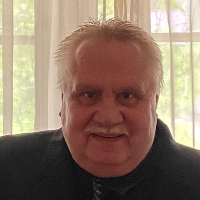
About Scott
Scott Heise is an IL LCPC - Licensed Clinical Professional Counselor with 14 years of experience. He works with adults who are dealing with stress, anxiety, addiction, trauma and abuse, depression, grief, sleep problems, parenting strain, anger, self-esteem, bipolar disorder, and ADHD. He also lists related concerns such as caregiver stress, blended family issues, chronic illness and pain, and family of origin matters.
He draws on approaches that center the client's perspective and practical skills. Sessions focus on clear goals and steps the client can try between meetings. Scott uses Client-Centered methods alongside Cognitive Behavioral Therapy and Dialectical Behavior Therapy to address thoughts, behaviors, and emotional regulation.
He also uses existential ideas and mindfulness practices to help people reflect on values and manage distress in everyday life. Motivational interviewing is part of his work with substance use and commitment to change. The emphasis is on short, concrete strategies as well as deeper reflection when needed.
Scott can offer counseling from a Christian perspective when requested, including the use of prayer and faith-based material as part of sessions. He blends that option with standard therapeutic techniques rather than relying on any single method.
People who pick him often want a practical route through current problems - symptom relief, clearer decision making, and better day-to-day coping. He aims to help adults sort out relationship stress, parenting strain, career decisions, and the ripple effects of trauma and loss.
How sessions work
How therapeutic approaches translate to online work
Client-Centered Therapy focuses on listening and understanding the client's perspective. Online sessions using this approach concentrate on reflective conversation, helping the client feel heard and identifying goals. It suits people who want space to sort out their thoughts while getting guidance on next steps.Cognitive Behavioral Therapy (CBT) targets thoughts and behaviors with clear exercises. In remote sessions this often means setting short homework tasks, tracking patterns between meetings, and practicing new skills during check-ins to reduce anxiety or change unhelpful habits.
Dialectical Behavior Therapy (DBT) teaches emotion regulation and coping skills. Online DBT-style work can introduce breathing and grounding techniques, emotion-identification, and problem-solving steps to handle intense feelings and reduce reactive behavior.
Choosing the right approach is a collaborative process. The therapist will talk with the client about their goals, try methods that fit those goals, and adjust strategies over time based on what helps most. That conversation is part of the first sessions and ongoing care.
Confirm the exact session formats and scheduling options before booking, since they are not listed here. Online care can make it easier to fit therapy into a busy routine, shorten travel, and allow for flexible check-ins that match work and parenting demands. Discuss practical preferences with the therapist when you schedule to find what works best for your life.
Areas of focus
Areas of expertise
Primary focus
Also works with
Additional focus areas
Therapeutic approaches
Experience
14+ years
Listed in
Illinois
Languages
English
Questions
Frequently asked questions
What kinds of problems does he help with?
He works with stress, anxiety, addictions, trauma and abuse, depression, grief, sleeping problems, parenting strain, anger, self-esteem, bipolar disorder, ADHD, and related family and caregiver concerns.
How would he describe his therapeutic style?
He uses a client-centered, goal-oriented approach that mixes cognitive behavioral techniques, dialectical behavior skills, mindfulness, existential reflection, and motivational interviewing.
How much clinical experience does he have?
He has 14 years of experience working as a mental health therapist in community settings and private practice roles.
What are his credentials and where is he based?
He holds the IL LCPC credential and practices in Illinois.
Does he offer sessions in other languages or to international clients?
Sessions are offered in English and he is not accepting international clients.
What session formats are offered?
Please confirm current session options before booking, as the available formats are not specified here.
How does pricing work?
Cost varies with location and sessions use a subscription model that can be canceled at any time.
How do I begin working with him?
Select the See online therapy options button, complete the short matching questionnaire, and schedule a first session.
Details come from information the therapist supplied to BetterHelp. A license can be checked with the state board.
Online talk therapy is not emergency care. If anyone is in danger, use the crisis numbers.