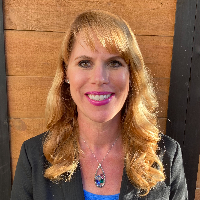
Therapist profile
Sherry Farrell, LMFT
Licensed Marriage and Family Therapist - Family and parenting
Continue with SherryAbout
- Client-Centered Therapy
- Cognitive Behavioral Therapy
- Solution-Focused Therapy
About Sherry
Sherry Farrell is a Licensed Marriage and Family Therapist (LMFT) practising in California with 10 years of clinical experience. She works with adults on stress, anxiety, relationship and family concerns, trauma and abuse, depression, addictions, grief, parenting strains, and related challenges. Sessions are aimed at practical steps people can use at home and in everyday life.
Farrell trained in clinical and counseling psychology and has worked both in clinics and in schools. She spent several years teaching while raising her children, which informed her view of how family life, school, and community interact. That background influences how she talks about parenting, blended family issues, and caregiver stress.
In sessions she draws on client-centered and solution-focused methods alongside cognitive behavioral and existential ideas. She uses straightforward conversation to identify what is working and what needs to change. The therapist helps people set small goals and track progress between meetings.
Her experience includes supporting people through mood disorders, PTSD symptoms, OCD, and life transitions. She has also worked with children in educational settings on issues such as ADHD, conduct problems, and social isolation, and with families facing addiction, infidelity, and divorce. Farrell emphasizes respectful teamwork and practical strategies rather than abstract theory.
People who come because of parenting strain or family conflict can expect clear discussion about communication, boundaries, and realistic coping steps. She aims for steady, manageable change you can use in day-to-day life.
How sessions work
Therapeutic approaches used in online sessions
Sherry commonly uses client-centered work and cognitive behavioral techniques when meeting with adults. Client-centered work means the therapist listens closely to the person’s concerns and reflects them back, helping the person clarify goals and priorities. Cognitive behavioral techniques focus on identifying unhelpful thoughts and behaviors and testing small changes to reduce stress and improve mood.She also draws on solution-focused ideas to set concrete, short-term goals and measure progress. That approach is useful for parenting challenges, communication problems, and day-to-day stress because it emphasizes what can change quickly and practically.
Choosing the right approach is part of the work. She will discuss options and help figure out which methods fit the client’s needs, goals, and preferences. This is a collaborative process that can adapt as issues shift over time.
Confirm current session options before booking so you know how meetings are scheduled. Online sessions can make it easier to fit therapy into a busy routine, require less travel time, and allow for shorter check-ins when needed. Talk with the therapist during the intake about timing and session length to find an arrangement that works with daily life.
Areas of focus
Areas of expertise
Primary focus
Also works with
Additional focus areas
Therapeutic approaches
Experience
10+ years
Listed in
California
Languages
English
Questions
Frequently asked questions
What kinds of concerns does she work with?
She works with stress, anxiety, relationship and family concerns, trauma and abuse, depression, addictions, grief, parenting issues, and many related topics listed in her profile.
How would she approach a parenting or family problem?
She uses practical, client-centered and solution-focused methods to identify small changes and communication strategies adults can try at home.
How much experience does she have?
She has ten years of clinical experience working in clinics and school settings, plus time teaching while raising her own children.
What are her credentials and location?
She is a California Licensed Marriage and Family Therapist (CA LMFT) practicing in California.
Does she work in languages other than English?
Sessions are offered in English.
Can people from other countries work with her?
International clients are not currently accepted.
How are sessions paid for?
Cost varies with location; sessions use a subscription that can be canceled at any time.
How do I begin working with her?
Select the See online therapy options button, complete a short matching questionnaire, and schedule a first session.
Details come from information the therapist supplied to BetterHelp. A license can be checked with the state board.
Online talk therapy is not emergency care. If anyone is in danger, use the crisis numbers.