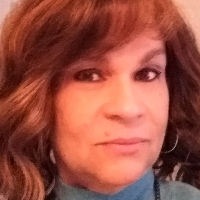
Therapist profile
Suzanne Walker, LCMHC
Licensed counselor - family and relationship concerns
Continue with SuzanneAbout
- Client-Centered Therapy
- Cognitive Behavioral Therapy
- Motivational Interviewing
About Suzanne
Suzanne Walker is a Licensed Clinical Mental Health Counselor (LCMHC) in North Carolina with 18 years of clinical experience. She works with adults facing stress, anxiety, addictions, mood disorders, relationship and family concerns, and other challenges such as grief, sleep problems, anger, and ADHD.
She draws on several practical therapies when meeting with people. Suzanne uses Client-Centered approaches to build a working relationship and Cognitive Behavioral Therapy to identify unhelpful thinking and behavior patterns. She also uses Motivational Interviewing to help people find reasons to change and Mindfulness techniques to reduce reactivity and increase present-moment awareness.
Her background includes work across outpatient, community, and treatment-center settings. She has provided individual and group counseling and has experience with medication-assisted treatment for opioid use. She has also supported people with severe and persistent mental illness through community-based teams and managed programs that combined counseling and substance use care.
In sessions she favors simple, direct conversations about what is going on and what someone wants to change. People can expect focused work on practical skills, thinking patterns, and motivation rather than long theoretical explanations.
She mentions preferring video sessions to help build rapport, though she also notes telephone and live chat as options for people who find those formats more comfortable. Prospective clients should confirm current session formats and scheduling details before booking.
How sessions work
How her approaches translate to online sessions
Client-Centered Therapy focuses on listening and reflecting so the person feels heard and understood. Online sessions can still use this approach to build a collaborative working relationship and clarify what the person wants to change.Cognitive Behavioral Therapy (CBT) breaks problems into thoughts, feelings, and actions and teaches skills to change unhelpful patterns. In remote sessions CBT can include guided practice, thought records, and planning behavioral experiments between meetings.
Motivational Interviewing helps people find their own reasons to change and reduce ambivalence. This approach fits online well because it uses short, focused conversations that build readiness and set small achievable goals.
Finding the right mix of approaches is something the therapist will do together with the client. Suzanne will discuss goals, preferences, and what feels most useful, then try methods that match those priorities. That collaborative process guides what is emphasized in subsequent sessions.
Session formats mentioned in her biography include video, telephone, and live chat, but confirm which options are currently offered before booking. Remote sessions can make it easier to fit counseling into a weekday break, an evening, or a Saturday morning. They also allow for shorter check-ins when a quick update is needed and reduce travel time, which helps people keep regular appointments.
Areas of focus
Areas of expertise
Primary focus
Also works with
Additional focus areas
Therapeutic approaches
Experience
18+ years
Listed in
North Carolina
Languages
English
Questions
Frequently asked questions
What kinds of problems does she help with?
She works with stress, anxiety, addictions, mood disorders, relationship and family concerns, grief, sleep problems, anger, ADHD, and related issues.
How would you describe her therapeutic style?
She uses practical, person-focused methods such as Client-Centered work, CBT, Motivational Interviewing, Mindfulness, and Solution-Focused techniques to help people make changes.
How much clinical experience does she have?
She has 18 years of experience working in outpatient, community, and treatment-center settings with individuals and groups.
What credential does she hold and where does she practice?
She is an LCMHC practicing in North Carolina.
Can I work with her if I live outside the United States?
Sessions are offered in English and she is not accepting international clients at this time.
What session formats are available?
She has said she finds video helpful and also offers telephone and live chat as options; confirm current session formats before booking.
How much do sessions cost?
Cost varies with location; sessions use a subscription that can be canceled at any time.
How do I begin working with her?
Choose the See online therapy options button, complete a short matching questionnaire, and schedule a first session.
Details come from information the therapist supplied to BetterHelp. A license can be checked with the state board.
Online talk therapy is not emergency care. If anyone is in danger, use the crisis numbers.